The Two Species: Arabica and Robusta
Global coffee production rests on two species, each with distinct genetics, cultivation requirements, and flavor characteristics.
Coffea arabica (Arabica):
- Chromosome count: 44 (tetraploid, meaning four sets of chromosomes)
- Genome size: ~1.3 billion base pairs
- Origin: Ethiopian highlands, altitudes 1,400–2,200 meters
- Global share: ~60–70% of production
- Flavor: Complex, nuanced, lower caffeine, more acidity
- Growth conditions: High altitude, cool temperatures (15–24°C), well-draining soil
- Disease susceptibility: Higher—vulnerable to leaf rust, berry borer, and various fungal diseases
- Yield: Lower than Robusta, more economically sensitive
- Characteristics: Arabica's tetraploid genetics afford complexity. The four chromosome sets provide genetic redundancy but also complexity in breeding. Arabica's flavor advantage comes from genes controlling volatile aromatic compounds—jasmine, berry, floral notes. Its disease susceptibility is the trade-off for flavor.
Coffea canephora (Robusta):
- Chromosome count: 22 (diploid, meaning two sets)
- Genome size: ~710 million base pairs
- Origin: West and Central Africa, lowlands
- Global share: ~30–40% of production
- Flavor: Bold, strong, higher caffeine, earthy notes
- Growth conditions: Lower altitude (sea level to 1,200m), warm temperatures (18–30°C), resilient to varied conditions
- Disease resistance: Superior—resistant to many diseases including leaf rust
- Yield: High, consistent
- Characteristics: Robusta's diploid simplicity makes it easier to breed—select a trait, and it's immediately expressed in offspring. Robusta's hardiness and yield make it economically appealing for large-scale production. The high caffeine is a side effect of its evolution in competitive tropical environments.
The Genetics of Flavor: Key Genes and Traits
Coffee flavor is encoded in the genome. Hundreds of genes regulate volatile aromatic compounds—the molecules that create taste and aroma.
Genes for aroma compounds:
Arabica produces volatile esters (fruity, floral), aldehydes (complex, sometimes honey-like), and ketones (various fruity and spice notes). Genes like those regulating lipoxygenase and linalool synthase control these pathways. Robusta produces fewer volatile compounds, particularly fewer esters and aldehydes, explaining its simpler flavor profile.
Genes for caffeine synthesis:
The gene CaMXMT (caffeine synthase methyltransferase) controls caffeine production. Robusta has higher expression of this gene, producing 1.7–3.5% caffeine by dry weight. Arabica produces 1.0–1.7%. This genetic difference is why Robusta has a naturally more bitter taste (caffeine is bitter) and higher stimulant effect.
Genes for disease resistance:
Multiple genes confer resistance to coffee leaf rust (Hemileia vastatrix), berry borer, and other pathogens. Wild Coffea species harbor resistance genes that commercial varieties lack. For instance, resistance to leaf rust was identified in Coffea canephora and Coffea liberica and has been introgressed (bred) into Arabica hybrids like Catimor. World Coffee Research and other breeding programs maintain registries of these resistance sources.
Genes for environmental adaptation:
Genesregulating drought tolerance, cold hardiness, and ability to cope with temperature fluctuations exist across wild Coffea species. As climate change threatens traditional growing regions, these genes become critical for developing heat-tolerant Arabica or drought-resistant varieties suitable for new regions.
Genetic Diversity Within Species
Beyond the Arabica vs. Robusta divide, significant genetic diversity exists within each species.
Arabica varieties and cultivars:
Arabica exhibits less genetic diversity than Robusta, likely due to its polyploid origin and narrower geographic origin. However, multiple cultivars (human-selected varieties) have emerged:
- Typica: One of the oldest known Arabica varieties, originating from one coffee plant brought from Ethiopia. It has lower yields but excellent cup quality. Typica has diversified into regional sub-varieties (Criollo in Latin America, Kona in Hawaii).
- Bourbon: A natural mutation of Typica, discovered on Réunion Island (formerly called Bourbon). Bourbon is sweeter than Typica and has become a foundation for many modern varieties.
- Geisha/Geisha: Originally from Abyssinia (Ethiopia), made famous in Panama's Boquete region. Geisha is known for exceptional floral and tea-like qualities, commanding premium prices ($8–$15+ per cup at specialty cafés).
- Caturra: A dwarf natural mutation of Bourbon, discovered in Brazil. Caturra is high-yielding and suitable for high-density plantations.
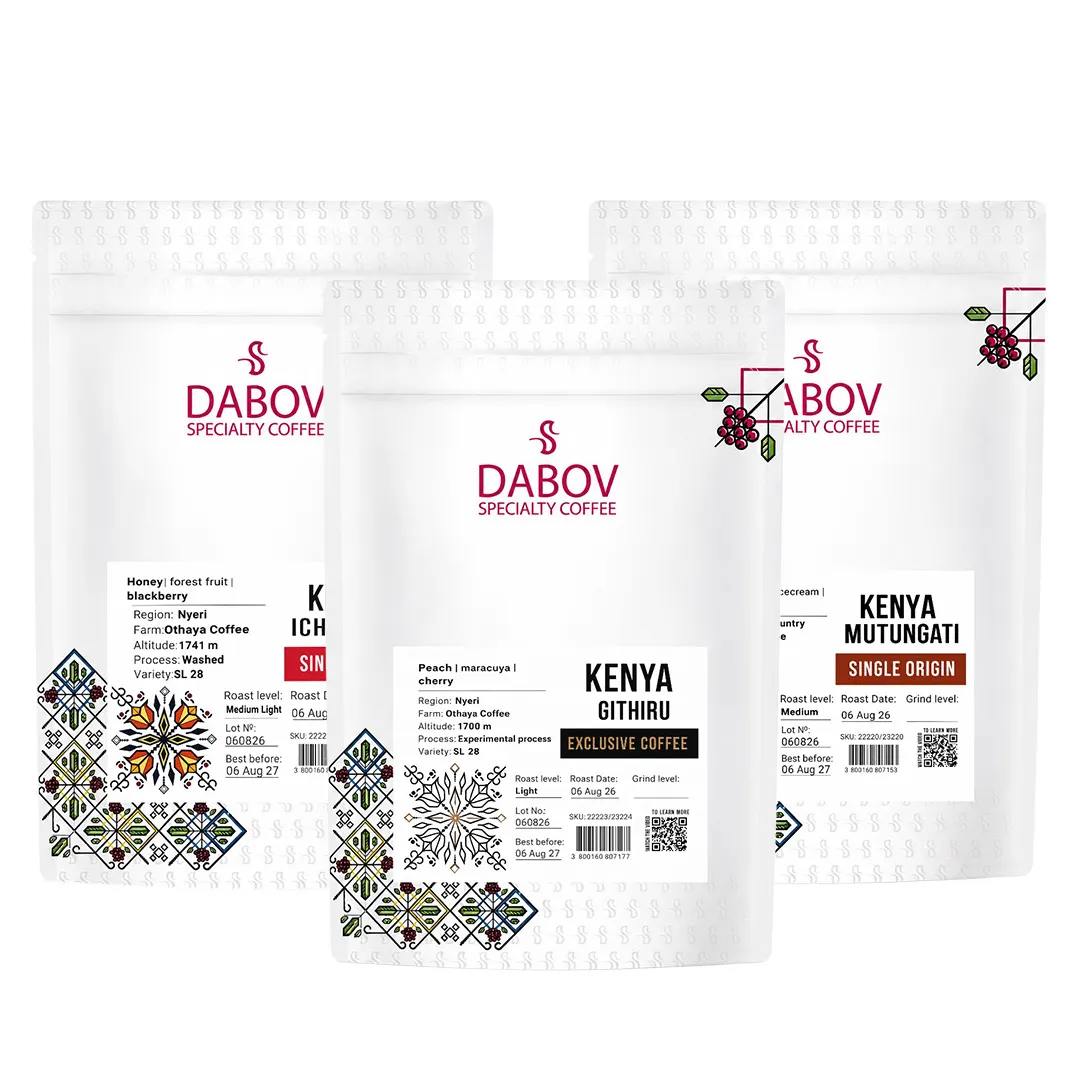
- SL28, SL34: Scottish Laboratories hybrids from Kenya, selected for disease resistance and cup quality. SL28 is particularly prized.
- Catimor: A deliberate hybrid between Caturra and Timor Hybrid (itself a natural Arabica × Robusta cross). Catimor inherits leaf rust resistance from Robusta while maintaining Arabica flavor (though less complex than pure Arabica).
Robusta varieties:
Robusta has greater genetic diversity than Arabica but fewer named cultivars because Robusta hasn't been selectively bred as intensively.
- Congensis: The original Robusta discovered in Congo. Prized for flavor (among Robusta coffees) but lower-yielding.
- Ugandan Robusta: A distinct type, some considered of higher quality than standard Robusta.
- Hybrid clones: Modern Robusta is often propagated from selected clones (genetically identical copies) for consistency and disease resistance.
Wild Coffee Accessions: Nature's Reserve
Wild coffee populations, particularly in Ethiopia, are repositories of genetic traits that commercial breeding needs.
Ethiopian wild coffee:
Coffea arabica is believed to have originated in the Ethiopian highlands, specifically the Boma Plateau and surrounding forests. Wild populations exist as rare, threatened stands in forests. These wild arabicas have:
- Genetic diversity within the species (unlike cultivated Arabica, which is genetically narrow)
- Disease resistance traits that cultivated varieties lack
- Adaptation to specific microclimates
- Potential flavor traits unexploited by commercial breeding
Conservation efforts like the Wild Coffee Conservation Project work to protect these populations and document their genetic traits.
Other wild Coffea species:
Beyond arabica and Robusta, 120+ Coffea species exist, mostly in Africa and Madagascar. Some have been collected and maintained in gene banks:
- Coffea liberica: A species from West Africa, occasionally used in breeding for disease resistance
- Coffea benghalensis: A wild species with potential drought tolerance
- Coffea eugenoides: A wild species with lower caffeine and unique flavor potential
These wild species are mostly not cultivated commercially but serve as genetic resources for breeding programs.
Breeding Programs: CATIE, JARC, and World Coffee Research
International breeding programs work to develop new coffee varieties combining desirable traits from multiple genetic sources.
CATIE (Centro Agronómico Tropical de Investigación y Enseñanza), Costa Rica:
One of the oldest and most respected breeding programs. CATIE maintains extensive coffee germplasm collections and develops improved varieties for Central America. Goals include disease resistance, climate adaptation, and maintaining cup quality. CATIE-developed varieties include several Catimors and climate-adapted Arabicas.
JARC (Java Agricultural Research Center), Indonesia:
Focuses on Robusta breeding and improvement, particularly for Indonesian conditions. JARC maintains high-yielding Robusta lines and works on disease resistance.
World Coffee Research (WCR):
A nonprofit established in 2012, funded by multiple coffee organizations. WCR coordinates global research on coffee genetics and breeding. They maintain an extensive germplasm collection (seeds and plants from diverse coffee origins and wild species) in multiple countries. WCR identifies disease-resistant parent plants, coordinates international breeding efforts, and develops tools (like marker-assisted selection) to accelerate breeding.
Markers and modern techniques:
Traditional breeding is slow—selecting a plant for disease resistance and crossing it with a high-yielding plant takes 5–7 years to see results. Modern breeding uses:
- Marker-assisted selection (MAS): DNA markers identify whether a plant carries specific genes of interest. This lets breeders select parent plants quickly without waiting for traits to be expressed.
- Genome sequencing: The Arabica and Robusta genomes have been sequenced, allowing scientists to understand genetic basis of traits.
- CRISPR and gene editing: Still experimental for coffee, but potential exists to introduce disease-resistance genes more precisely than traditional crossing.
The Challenge: Arabica's Narrow Genetic Base
Commercial Arabica suffers from genetic poverty. The global Arabica population descended from a tiny founding population (possibly just a few plants), creating a genetic bottleneck. Most Arabica grown today is genetically similar.
Implications:
- Vulnerability to disease: A disease that overcomes one variety might spread through the entire Arabica world. Coffee leaf rust (Hemileia vastatrix) has devastated regions because many plantations grew genetically similar varieties.
- Limited breeding potential: With narrow genetic diversity, breeding new varieties requires introgressing genes from wild Arabica or from Robusta (creating hybrids), which dilutes Arabica flavor.
- Climate adaptation challenges: As temperatures rise and rainfall patterns shift, the global Arabica population may not have genetic variation to adapt.
Robusta, though genetically simpler, maintains more diversity because it wasn't subjected to the same narrow cultivation bottleneck as Arabica.
Genetic Markers and Cultivar Registries
Coffee breeding relies on accurate cultivar identification. DNA fingerprinting using molecular markers allows confirmation of variety identity.
Cultivar registries:
International organizations maintain registries documenting coffee varieties and their genetic profiles. CATIE, WCR, and national agricultural agencies house these registries. They provide:
- Official cultivar descriptions
- Parentage information (which varieties were crossed to create it)
- Known traits (disease resistance, flavor characteristics, yield)
- DNA profiles for variety confirmation
Farmers can submit beans for testing to confirm variety identity, ensuring they're growing what they think they're growing (counterfeits exist, especially for high-value Geishas).
Climate Change and the Urgency of Genetic Diversity
Climate change is making genetic diversity a matter of survival. Traditional Arabica-growing regions are becoming unsuitable:
- Temperatures are rising, making high-altitude zones the only viable region (but they're limited)
- Rainfall patterns are shifting, creating drought in some regions, excess moisture in others
- New pests and diseases are emerging or shifting ranges
Responses include:
- Breeding for heat tolerance: Introgressing heat-tolerance genes from wild species or Robusta into Arabica
- Developing drought-tolerant varieties: Using genes from wild species adapted to dry conditions
- Creating rust-resistant Arabica: Breeding commercial-quality Arabicas that resist leaf rust and other diseases
- Exploring new growing regions: Moving coffee cultivation to higher elevations or previously unsuitable regions
- Preserving wild coffee: Ensuring wild populations survive so their genes remain available for future breeding
The Future: Innovation and Conservation
Two parallel efforts are underway:
Conservation: Gene banks and field reserves (protected forests in Ethiopia, botanical gardens, research centers) maintain living coffee genetic diversity. The goal is to ensure wild species and rare cultivars survive, preserving genetic resources for future generations.
Innovation: Breeding programs use molecular tools to develop new varieties that combine Arabica's flavor with Robusta's resilience and disease resistance. Some experimental hybrids show promise—maintaining 80%+ of Arabica's flavor complexity while gaining significant disease resistance and climate resilience.
Gene editing (CRISPR) is in experimental stages for coffee. It could theoretically introduce drought-tolerance genes into Arabica without extensive traditional breeding (which can take decades). Regulatory and consumer acceptance of edited coffee remains uncertain, but the technology exists.
Conclusion: Genetics as Heritage and Future
Coffee genetics is the invisible foundation of the coffee world. Every cup reflects genetic decisions made by ancestors, wild evolutionary history, and modern breeding work. Arabica's complexity comes from genetic traits that Robusta lacks. Robusta's resilience is a genetic advantage.
Understanding coffee genetics reveals why certain varieties grow in certain places, why some resist disease while others succumb, and why flavor varies. It also reveals a critical reality: genetic diversity in wild populations is under threat, and preserving it is as important as researching new varieties.
When you buy coffee, you're buying the results of genetic heritage—whether a carefully bred Catimor combining disease resistance with decent flavor, a heirloom Bourbon cherished for its sweetness, or a wild Ethiopian coffee with genetics unique to its forest. Supporting sustainable farming, species conservation, and research efforts ensures that coffee's genetic future remains diverse, resilient, and delicious.
Explore our curated coffee selection featuring single-origin coffees from diverse genetic backgrounds—each representing unique genetic potential from its origin region.
Frequently Asked Questions
Is Arabica genetically superior to Robusta?
No, just different. Arabica has more aromatic complexity due to genes controlling volatile compounds. Robusta has superior disease resistance and yield. Neither is "superior"—they're optimized for different purposes. Specialty coffee values Arabica's complexity, but Robusta's resilience is increasingly valuable as climate changes.
Can a coffee plant change its genetics over its lifetime?
No. A plant's DNA is fixed at birth (germination). However, environmental stress can affect which genes are expressed—essentially turning genes on or off. This affects flavor and appearance but doesn't change the underlying genetic sequence.
Why do some coffees taste inconsistent from year to year?
Environmental variation (rainfall, temperature, altitude harvesting, processing changes) affects flavor even with identical genetics. Also, some coffees are blends of multiple lots, and lot composition can vary. Genetic variation from year to year would require different plants, which doesn't happen in established plantations.
Can I breed my own coffee?
Theoretically, yes. Coffea plants are self-compatible and produce seeds. However, traditional breeding is slow—5–7 years minimum to see if a cross produced desired traits. Also, coffee trees take 3–4 years to produce flowers. Home breeding is impractical; professional breeders use controlled conditions and molecular markers to accelerate the process.
Is coffee breeding done to improve flavor, or just yield and disease resistance?
Both. Specialty breeding programs (like those funded by WCR) explicitly select for cup quality. Commercial breeding has historically prioritized yield and disease resistance, sometimes at flavor's expense. Modern breeding increasingly balances all three.
Will gene-edited coffee become mainstream?
Unknown. Gene editing technology exists, but regulatory approval and consumer acceptance remain uncertain. Some countries embrace GMOs; others resist them. For coffee, the advantage of gene editing would be rapid climate adaptation—a trait climate change might force upon the industry. But commercialization is years away.