Why Caffeine Causes Jitters: The Mechanism
Caffeine's primary action in the brain is competitive antagonism of adenosine receptors — specifically the A1 and A2A subtypes. Adenosine is a byproduct of cellular energy use that accumulates throughout the day, binding to its receptors and progressively promoting drowsiness. Caffeine, a structurally similar molecule, occupies those receptors without activating them, blocking adenosine's effect and maintaining alertness.
The jitter problem is downstream. When adenosine is blocked, dopamine and norepinephrine operate without their usual counterbalance, producing increased alertness but also elevated heart rate and heightened sympathetic nervous system activity. Simultaneously, caffeine triggers cortisol release. If cortisol is already elevated — as it naturally is in the first 60–90 minutes after waking — adding caffeine creates a compounding stimulant load. The combination of blocked adenosine receptors, heightened norepinephrine, and elevated cortisol is exactly the physiological profile of jitteriness.
The CYP1A2 Genetic Factor
The liver enzyme CYP1A2 is responsible for approximately 95% of caffeine metabolism. Its activity level determines how quickly caffeine is cleared from the bloodstream — and therefore how long the adenosine-blocking period lasts.
The key genetic variant is at position rs762551 on the CYP1A2 gene. There are two relevant alleles:
- 1A (fast metabolizer): These individuals carry two copies of the C allele at rs762551. CYP1A2 activity is high; caffeine half-life is approximately 2–3 hours. A double espresso consumed at 9 AM is largely cleared by noon.
- 1F (slow metabolizer): Carriers of the A allele (including heterozygous AC carriers) have significantly lower CYP1A2 activity. Caffeine half-life extends to 4–7 hours. For a slow metabolizer, that same 9 AM espresso still has meaningful plasma concentration at 3 PM.
This explains why two people can drink identical coffee from the same pot and have completely different experiences. The fast metabolizer feels energized and clear. The slow metabolizer feels alert initially, then anxious, then jittery as caffeine accumulates in subsequent cups before earlier doses have cleared.
| Metabolizer Type | CYP1A2 Variant | Half-Life | Daily Limit for Low Risk | Post-12pm Coffee Risk |
|---|---|---|---|---|
| Fast | 1A (CC genotype) | 2–3 hours | Low | |
| Intermediate | AC genotype | 4–5 hours | Moderate | |
| Slow | 1F (AA genotype) | 5–7 hours | High |
"Slow metabolizers of caffeine may face increased cardiovascular risk not from caffeine's immediate effects but from the prolonged receptor occupancy that extends the sympathetic activation window well beyond the alertness benefit." — A 2006 study in JAMA on coffee consumption and non-fatal myocardial infarction
Consumer genetic testing (23andMe, AncestryDNA) reports the CYP1A2 rs762551 variant. If you consistently feel jittery on modest caffeine doses, slow metabolizer status is a likely explanation.
The Cold Brew Caffeine Myth
Cold brew has built a reputation as the low-caffeine, stomach-friendly alternative. The low-acidity part is true. The low-caffeine part is a myth that deserves correction.
Cold water extracts caffeine less efficiently than hot water per unit time — but cold brew is steeped for 12–24 hours, which compensates entirely. Cold brew concentrate — typically brewed at a 1:5 to 1:8 coffee-to-water ratio — contains roughly 200–300 mg of caffeine per 8 fl oz serving before dilution.
The smoother feel of cold brew is real but comes from its lower acidity and absence of certain bitter compounds formed during hot extraction — not from lower caffeine. If you are drinking cold brew to reduce jitter risk, serving size matters more than the format. A 4 oz pour of cold brew over ice with a generous dilution of water or milk is genuinely lower-caffeine. A 12 oz straight pour from the tap is not.
L-Theanine: The Most Effective Jitter Countermeasure
L-theanine is an amino acid found naturally in tea leaves — particularly in green tea and Japanese matcha. It produces alpha brainwave activity (associated with alert relaxation) and modulates the effects of caffeine through several mechanisms: it blunts the acute blood pressure spike, reduces the anxiety-producing component of cortisol elevation, and smooths the onset and offset of caffeine's stimulant effect.
The evidence base is solid. Multiple randomized controlled trials have found that L-theanine co-administered with caffeine improves sustained attention, reduces headache frequency, and reduces self-reported anxiety compared to caffeine alone. The most studied ratio is 100–200 mg L-theanine with 100 mg caffeine (roughly a 1:1 to 2:1 theanine-to-caffeine ratio by weight).
A standard 8 oz cup of coffee contains approximately 95 mg of caffeine. A 200 mg L-theanine capsule taken alongside coffee provides the studied benefit. L-theanine is available as a standalone supplement (widely sold as 100–200 mg capsules) or naturally present at low levels in any tea consumed with your coffee.
What L-theanine does not do: it does not accelerate caffeine metabolism (that is a CYP1A2 gene question). It does not prevent caffeine withdrawal if you use it to extend your daily intake. It reduces the subjective discomfort of a given caffeine dose — it does not raise the ceiling.
Strategic Sequencing: What to Eat, When to Drink, When to Stop
Food Pairing and Absorption Rate
Consuming coffee on an empty stomach allows caffeine to reach peak plasma concentration faster — in approximately 45 minutes versus 90 minutes with food. The sharp concentration spike is a primary driver of jitters. Any food — but especially protein and fat — slows gastric emptying, extending the absorption window and flattening the plasma caffeine curve.
Specific pairings that work:
- Oats with nuts: Slow-digesting carbohydrates plus fat extend the absorption window significantly.
- Whole-milk yogurt or eggs: High-protein, moderate-fat foods produce the most consistent absorption delay.
- Whole-grain toast with nut butter: A practical commute-friendly option that accomplishes the same effect.
Avoid consuming coffee with only simple carbohydrates (juice, pastry, white toast alone). The rapid sugar absorption followed by insulin response can amplify the jittery feeling caffeine creates.
Sipping Pace
The speed at which you consume a cup matters. Drinking 12 oz in 5 minutes delivers a caffeine bolus; drinking the same cup over 30 minutes maintains a gentler plasma curve. Slow metabolizers benefit most from this strategy — for fast metabolizers, pace is less consequential.
The Half-Caf Transition
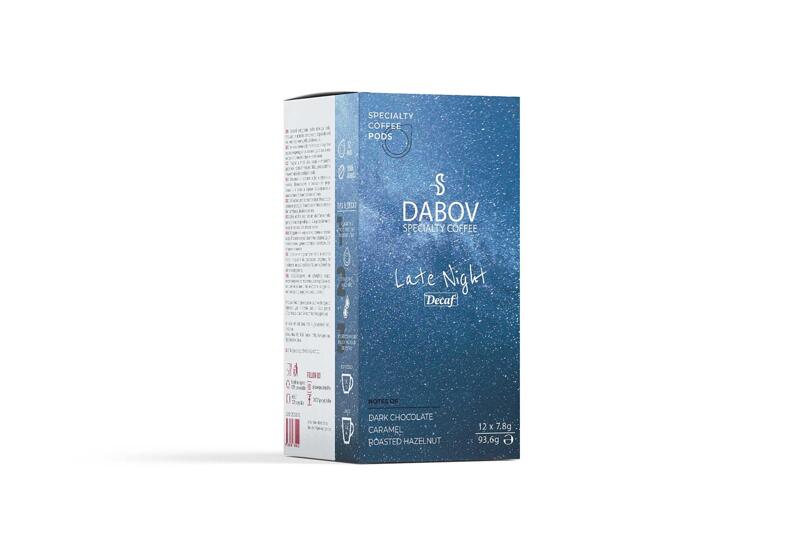
Half-caf is one of the most underutilized tools in caffeine management. Blending 50% decaf with 50% regular coffee in the grinder or at the portafilter produces a cup that tastes nearly identical to full-caf but delivers half the caffeine. For a two-cup morning routine, transitioning the second cup to half-caf cuts total morning intake by 25%. Transitioning the second cup entirely to decaf cuts it by 50%.
For slow metabolizers, a practical protocol:
- First cup (7–8 AM): Full-caf, taken 60–90 min after waking, with food
- Second cup (10 AM): Half-caf
- Third cup or afternoon: Quality decaf or no coffee
The Caffeine Cutoff
Caffeine's half-life means it remains biologically active for hours after consumption. A slow metabolizer who drinks coffee at 3 PM still has half that caffeine load at 9 or 10 PM — not as jitteriness, which typically fades sooner, but as impaired sleep quality and delayed sleep onset. Poor sleep increases adenosine buildup, which increases caffeine dependence the following morning, completing a cycle that most habitual coffee drinkers recognize intimately.
The practical cutoff for most people: no caffeine after 2 PM for fast metabolizers; no caffeine after 12 PM for slow metabolizers. This is stricter than most sources recommend but is calibrated to the 6-hour half-life reality for slow metabolizers and the 10-hour total clearance window for an average cup.
Decaf Is Not Caffeine-Free
Decaffeination removes approximately 97% of caffeine. An 8 oz cup of Swiss Water Process decaf typically contains 2–12 mg of caffeine — low, but not zero. For a slow metabolizer drinking 3–4 cups of decaf in the afternoon, residual caffeine accumulates to levels that can affect sleep architecture. This is rarely a jitter cause but is relevant for people who have tried "switching to decaf" and still experience poor sleep.
Quality decaf matters. The Swiss Water Process uses no chemical solvents and preserves more flavor complexity than solvent-based methods. CO₂ process decaf is the highest quality but less widely available. Cheap commodity decaf (solvent-extracted, then long-stored) tastes flat and often still contains meaningful caffeine residue due to inconsistent processing.
Common Mistakes That Make Jitters Worse
| Mistake | Why It Amplifies Jitters | Fix |
|---|---|---|
| Drinking coffee immediately after waking | Cortisol is already high — doubling up on stimulation | Wait 60–90 minutes |
| Empty-stomach consumption | Rapid absorption → sharp plasma spike | Always eat something first |
| Large servings (16–20 oz) | High total caffeine regardless of concentration | Use smaller cups, add water |
| Cold brew straight from concentrate | Often 2–3× the caffeine of a drip cup | Always dilute; check the ratio |
| Afternoon full-caf without food | Slow metabolizer extends effects into evening | Switch to half-caf or decaf after noon |
| Skipping water | Dehydration amplifies anxiety symptoms | Match each coffee with 8 oz water |
| High-stress context | Cortisol already elevated from stress | L-theanine helps; reducing dose helps more |
Frequently Asked Questions
Can I train myself to be less sensitive to caffeine?
Tolerance develops through upregulation of adenosine receptors — the brain produces more receptors to compensate for chronic blockade. This reduces the alertness effect of a given caffeine dose over time, but it does not reduce the cardiovascular stimulation or anxiety-amplifying effects for slow metabolizers. Tolerance explains why a habitual coffee drinker needs 2 cups to feel what 1 cup used to produce, but it does not protect against jitters from overconsumption relative to your metabolism rate.
Does espresso have more caffeine than drip coffee?
Espresso has more caffeine per ounce — roughly 60–70 mg per 1 oz shot versus 10–15 mg per oz for drip. But a standard double espresso (2 oz) delivers 120–140 mg, while a standard 12 oz drip cup delivers 120–180 mg depending on the grind and brewing parameters. Volume is the key variable. A triple espresso latte (180 ml drink) contains more total caffeine than a single-origin pour-over of the same volume — the brewing method matters less than the total dose and the speed at which you consume it.
Is green tea L-theanine the same as a supplement capsule?
Identical molecule. Matcha contains approximately 20–40 mg of L-theanine per gram of powder, plus caffeine at roughly 35 mg per gram. A ceremonial-grade matcha preparation (2 g powder) delivers ~60–80 mg L-theanine and ~70 mg caffeine — already a ~1:1 ratio. This is why matcha drinkers frequently report a calmer, more sustained alertness compared to espresso of equivalent caffeine: the L-theanine is built in. If you take a 200 mg L-theanine capsule with your coffee, you are simply replicating that ratio in a different format.
Conclusion
Jitter-free coffee is achievable for almost everyone, but the strategy must match your metabolic reality. If you are a fast CYP1A2 metabolizer, modest timing and food-pairing adjustments are usually sufficient. If you are a slow metabolizer, the half-caf transition after the first cup and a strict afternoon cutoff are non-negotiable. L-theanine at 100–200 mg per cup is the most consistent single tool for reducing jitter amplitude without sacrificing alertness. Cold brew is not a low-caffeine option — it is a low-acidity option, which is a different benefit.
The broader point: jitters are an information signal, not a coffee problem. They tell you the dose arrived faster than your system could handle it, or arrived on top of existing cortisol, or stayed in your system longer than your habits assumed. Adjust the timing, the pace, the sequencing, and the dose — and coffee becomes the clean, sustained focus tool it is actually capable of being.
Explore our roasted coffee selection to find single-origin options with the flavor complexity that rewards slower, more deliberate sipping.