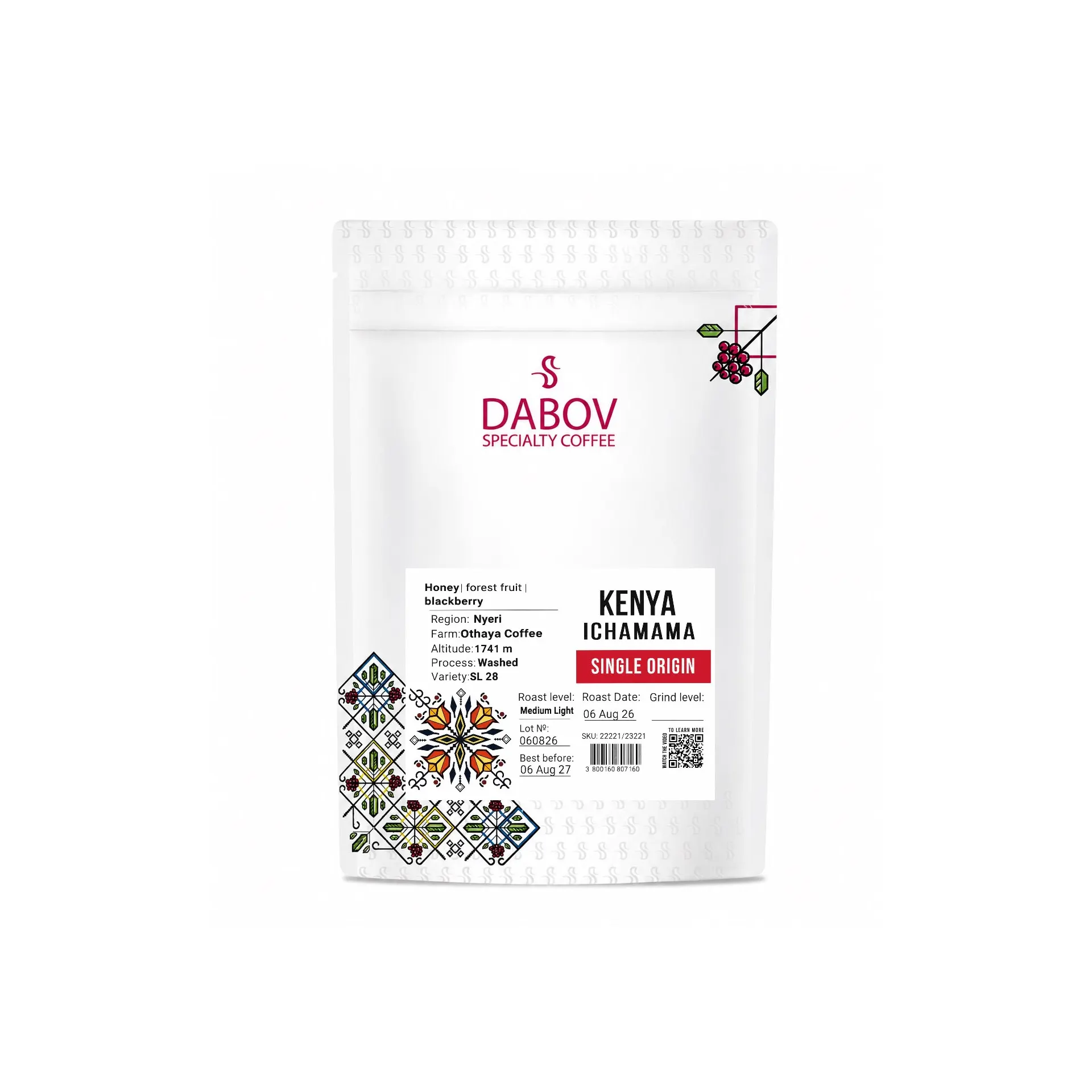
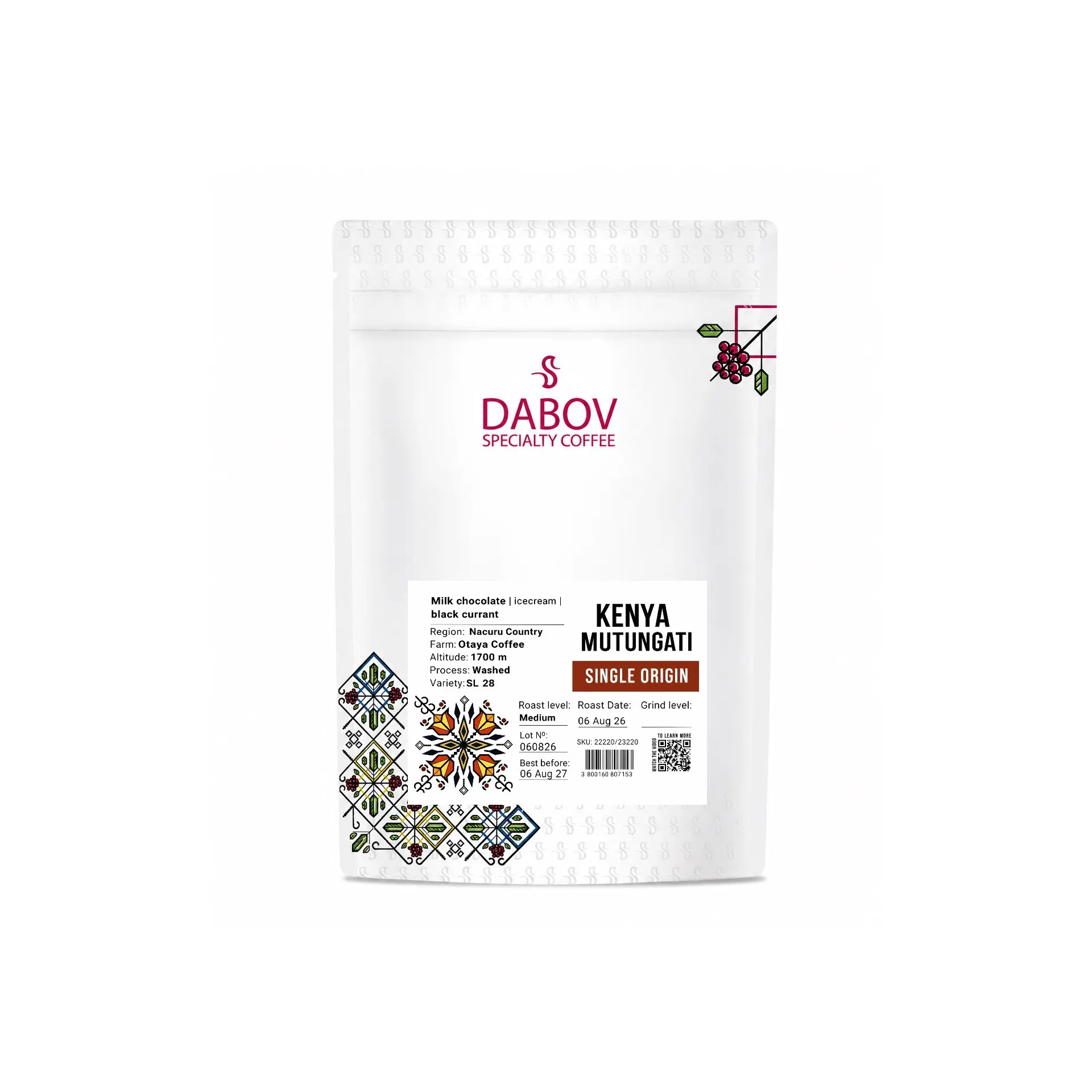
The rules of savory pairing with coffee are not fundamentally different from wine or beer pairing: match or contrast intensity, look for shared flavor compounds, use acidity to cut fat, use sweetness to bridge spice. What makes coffee distinctive is the breadth of its flavor range — from floral jasmine in a Yirgacheffe to deep cedar and dark chocolate in a Sumatran Mandheling — and the ability to brew that range at different concentrations and temperatures to suit any course.
The Flavor Framework for Savory Pairing
Before matching specific coffees to specific foods, understand four pairing principles that govern all successful combinations:
Intensity matching. A light-roast Ethiopian with delicate jasmine notes disappears against a plate of smoked brisket. A dark-roast Robusta blend overwhelms raw oysters. The general rule: delicate foods require coffees with a controlled concentration and moderate roast; bold foods can sustain bold coffees.
Fat-cutting through acidity. High-acidity coffees (washed African origins, light to medium roast) function like citrus or vinegar in a recipe — they break up the coating sensation of fatty foods and refresh the palate. Pair bright coffees with rich, fatty foods: triple-crème cheese, cured fatty meats, hollandaise.
Bitter-umami bridging. The chlorogenic acid degradation products and pyrazines in medium-dark roast coffees share sensory register with glutamates — the compounds responsible for umami. Aged hard cheeses (Parmigiano-Reggiano, aged Gouda, Comté), fermented pastes (miso, soy), and long-cooked meats are all umami-forward foods that resonate with these roasted coffee notes.
Sweetness as a bridge for spice. Naturally processed coffees with prominent sweet-fruit character (Berry, Brown Sugar, Honey on the SCA Flavor Wheel) buffer the heat of spiced or cured meats. A natural Ethiopian with strawberry and honey notes alongside prosciutto seasoned with white pepper creates a sweet-savory tension that amplifies both.
Choosing the Right Roast: A Decision Tree
The following decision tree maps major savory food categories to the appropriate coffee roast level and processing style. Use it as a starting point — specific origins within each roast zone are discussed in the sections below.
Coffee and Cheese: A Flight Approach
Cheese is one of the most compelling savory partners for coffee because its range of fat content, acidity, and aging character maps almost directly onto coffee's roast spectrum. The pairing logic: as cheese intensity increases (fresh → aged → blue), roast level should increase in parallel, with washed vs. natural processing adding a secondary variable.
| Cheese Type | Examples | Recommended Coffee | Pairing Logic |
|---|---|---|---|
| Fresh / Soft | Chèvre, ricotta, burrata | Light washed Ethiopian (Yirgacheffe) | Floral + citrus notes complement lactic brightness |
| Semi-soft | Brie, Camembert, triple-crème | Medium washed Colombian or Costa Rican | Balanced acidity cuts through fat without overpowering |
| Semi-hard | Comté, aged Gouda, Gruyère | Medium natural Brazilian Bourbon | Pyrazine/nutty notes echo cheese's crystalline umami |
| Hard aged | Parmigiano-Reggiano, aged Manchego | Medium-dark Guatemala Huehuetenango | Bittersweet chocolate notes match sharp concentrated flavor |
| Blue | Roquefort, Gorgonzola, Stilton | Dark roast espresso or full-body blend | Intensity matching; coffee's bitterness bridges the pungency |
| Washed-rind | Taleggio, Époisses | Washed Kenyan AA | Bright acidity cuts the aromatic pungency |
"The affinity between aged Comté and a Guatemalan medium-dark roast is the coffee equivalent of a Jura Chardonnay pairing — both the cheese and the wine (or coffee) carry hazelnut, caramel, and a subtle funkiness born from time."
Building a Coffee and Cheese Flight
A structured cheese flight pairs three coffees with three cheeses, moving from lightest to richest. A practical home version:
First pairing: Washed Ethiopian Yirgacheffe (pourover, 93°C, medium grind) + fresh Chèvre. The floral-lemon character of the coffee amplifies the lactic brightness of the goat cheese.
Second pairing: Natural Brazilian Bourbon or Cerrado (medium roast, prepared as pour-over or moka pot) + 18-month aged Comté. The nutty, caramel character of the coffee echoes the crystalline crunch and butterscotch notes of the cheese.
Third pairing: Double espresso or concentrated AeroPress brew (dark-medium roast) + Roquefort. The bitter roasted edge of the concentrated coffee cuts through and reframes the pungent lanolin notes of the blue.
Serve the cheese at room temperature (20°C minimum — cold cheese mutes both flavor and aroma). Serve the coffees black; milk in the coffee smears the pairing.
Coffee and Charcuterie: Cured Meats and Roast Character
Cured meats occupy a flavor space defined by salt, fat, umami, and often smoke or spice. These characteristics interact with coffee in predictable ways: salt enhances sweetness, fat demands acidity, smoke resonates with roasted character, and spice amplifies sweetness when paired with sweet-fruit coffees.
Prosciutto di Parma (and similar dry-cured hams): The defining flavor of quality prosciutto is sweet fat with a minerally undertone and a clean finish. The ideal coffee: a medium washed Colombian or Costa Rican with brown sugar and mild citrus notes. The acidity of the coffee refreshes after the fat, and the subtle sweetness echoes the sweetness of the meat. Avoid dark roasts, which compete with prosciutto's delicacy and leave a bitter aftertaste that overwhelms the finish.
Coppa / Capicola: More muscular than prosciutto, with deeper cured flavor and mild spice. Works well with medium-dark roast coffees — Guatemala, Honduras, or Mexican Chiapas — where the cocoa and mild spice notes in the coffee bridge the seasoning in the meat.
'Nduja (spreadable fermented pork, Calabrian): One of the boldest flavors in the charcuterie world — intensely spicy, deeply fatty, aggressively fermented. Pair with a naturally processed Ethiopian with prominent berry and wine-like character. The sweetness and fruit of the natural processing counterbalance the heat and fat; a dark roast would simply amplify bitterness against the chili.
Smoked salmon and gravlax: Oily, salty, delicate. The pairing that works best: a light-roast washed Kenyan AA (bright black currant and tomato acidity) or a lightly roasted Guatemalan with citrus and green apple notes. The bright acidity performs the same function as lemon juice in a classic smoked salmon preparation.
Bacon and guanciale: The Maillard-heavy, lightly sweet caramelization of cooked cured pork fat has a natural affinity with medium roast coffees where caramelization notes are prominent — Colombian Caturra, Peruvian washed. Guanciale's funkier, fattier character pairs well with a slightly deeper roast.
Umami Pairings: The Most Underexplored Category
Umami — the fifth taste associated with glutamate and nucleotide compounds — intensifies the perception of every other flavor in the mouth. Coffee's roasted pyrazines and chlorogenic acid degradation products produce a parallel sensory satiation effect. When a coffee and an umami food share this "depth" quality, the pairing amplifies both into something richer than either alone.
The most effective umami pairings:
Miso soup and light-roast washed coffee. Japanese dashi-based miso soup, with its inosinic acid from bonito and glutamic acid from kombu, pairs remarkably well with a lightly roasted washed Ethiopian or Yemeni coffee. The floral and tea-like character of the coffee complements the savory-mineral soup without fighting it.
Aged hard cheeses (Parmigiano-Reggiano, Mimolette, aged Gouda). As discussed in the cheese section — the crystalline tyrosine deposits in well-aged hard cheeses concentrate glutamate into an almost crunchy umami punch. A medium-dark roast with hazelnut and dark chocolate notes extends this experience rather than interrupting it.
Soy-glazed preparations. Japanese teriyaki chicken, soy-braised short ribs, and similar preparations combine fermented soy umami with caramelized sweetness — a profile that maps precisely onto a natural processed Colombian or Peruvian with brown sugar and dried fruit character.
Anchovy-based dishes (Caesar dressing, Puttanesca, bagna cauda): The intensely saline, protein-fermented depth of anchovies actually pairs well with lightly roasted washed coffees that have enough brightness to cut through the fishiness without adding competing roasted bitterness.
| Umami Source | Dominant Compound | Recommended Coffee Pairing |
|---|---|---|
| Miso (fermented soy) | Glutamate | Light washed Ethiopian / Yemeni |
| Parmigiano-Reggiano (aged) | Glutamate + tyrosine | Medium-dark Guatemala / Honduras |
| Soy sauce | Glutamate + NaCl | Natural Colombian / Peruvian |
| Anchovies | Inosinic acid + glutamate | Light washed Kenyan |
| Dried mushrooms (porcini) | Guanylic acid | Medium natural Brazilian |
| Tomato paste (concentrated) | Glutamate | Medium washed Colombian |
Eggs: The Most Accessible Savory Pairing Canvas
Eggs are a uniquely versatile pairing subject because their flavor profile changes dramatically with preparation method, and each preparation pairs with different coffee territory.
Scrambled eggs (soft, French-style): The sulfur compounds in cooked egg white and the richness of yolk fat call for a coffee with enough brightness to cleanse but enough sweetness not to clash. A medium washed Colombian or a Costa Rican with honey and citrus notes is ideal. Avoid dark roasts, which make scrambled eggs taste metallic.
Eggs Benedict (hollandaise, poached, English muffin): Hollandaise is one of the richest, most butter-saturated sauces in Western cooking — it demands a coffee with structural acidity. A washed Kenyan AA or a medium-light Ethiopian Guji cuts through the fat and balances the acidity of the English muffin. This is one of the few savory pairings where a bright, acidic pour-over outperforms espresso.
Shakshuka (tomato-pepper sauce, poached eggs): The glutamate-rich tomato, the smoke of paprika, and the richness of the egg yolk create a deeply layered savory profile. A medium washed Colombian with caramel and mild spice notes bridges all three elements without competing.
Avocado toast (sourdough, flaky salt, citrus): The fattiness of avocado and the char of toasted sourdough are natural partners for a light-medium washed coffee with citrus and green apple notes. The salt on the avocado enhances the coffee's sweetness.
Regional Savory Pairing Traditions Worth Knowing
Several coffee-producing cultures have developed savory coffee pairings that go far beyond the Western pastry default.
Turkey / Middle East: Strong, cardamom-spiced Turkish or Arabic coffee is traditionally served alongside savory mezze — hummus, olives, labneh, grilled halloumi. The cardamom bridges the gap between the coffee's bitterness and the savory-acidic food profile. The small cups prevent the coffee from overwhelming delicate flavors.
Ethiopia: In traditional Ethiopian coffee ceremonies, salted popcorn or roasted barley is served alongside the coffee. The neutral, slightly salty starch acts as a palate reset between cups rather than a flavor pairing — its role is functional, not complementary.
Italy (Venetian): A morning ritual of espresso with cicchetti (small savory bites — salted cod on crostini, cured meats, cheese) predates the coffee-with-pastry default in some northern Italian bar culture. The bitterness of espresso functions as a bridge between each savory bite.
Vietnam: Vietnamese egg coffee (cà phê trứng) — espresso topped with a whipped egg yolk and sweetened condensed milk foam — is technically a sweet preparation but demonstrates the egg-coffee affinity in concentrated form.
Frequently Asked Questions
Should coffee be served before, during, or after a savory course?
During is most effective for pairing. Before primes the palate but provides no interplay. After is the traditional Western position (post-dessert) but misses the savory pairing window. In a structured pairing session, serve the coffee in small volumes (60–90 ml per pour-over serving) alongside each savory course, rather than as a separate course.
Does milk in the coffee ruin savory pairings?
For most savory pairings, yes — milk adds lactic sweetness that competes with the food. The exception is soft fresh cheeses (chèvre, ricotta) where a small flat white can work. For cheese flights, charcuterie boards, and umami pairings, serve the coffee black.
Which roast level is most versatile for savory pairing?
Medium (light-medium to medium) washed coffees cover the widest range. Their balanced acidity, moderate sweetness, and clean flavor profile adapt to cheese, eggs, light meats, and umami foods without requiring a complete coffee switch between bites. Dark roasts are useful specifically for bold blue cheese and smoked or barbecued meats.
Can espresso be used for savory pairing, or only pour-over?
Espresso works well — its concentration amplifies flavor interactions. For delicate pairings (fresh cheese, raw fish), dilute with hot water to a 1:3 ratio (an Americano) to prevent the concentration from overwhelming the food. For bold pairings (aged cheese, smoked meats), serve espresso at standard concentration.
Conclusion
Savory coffee pairing rewards specificity. The principle that "dark roast goes with strong food" is a starting point, not a conclusion. The actual matches — washed Ethiopian Yirgacheffe against fresh chèvre, Kenyan AA against smoked salmon, natural Brazilian Bourbon against aged Comté — emerge from the coherent flavor principles of fat-cutting acidity, umami bridging, and intensity matching. Apply those three principles systematically and you have a framework for any savory coffee pairing you want to design.
The most accessible entry point is the cheese flight: three cheeses of increasing intensity, three coffees of increasing roast depth, 30 minutes. From that experiment, the flavor relationships become concrete and replicable. Browse our specialty roasted coffee selection to find the light, medium, and medium-dark roasts you need to build your first savory pairing flight.