The Coffee Belt: Geography and Climate
Coffee thrives between 23.5°N and 23.5°S latitude—the Tropics of Cancer and Capricorn. This "Coffee Belt" provides the specific conditions Arabica (the premium species) demands: temperatures 15-24°C (59-75°F), 1,500-3,000mm annual rainfall, and elevation typically 600-2,200 MASL (though some grows as low as 400 MASL, and exceptional lots at 2,500+ MASL).
Within this belt, altitude is the primary quality determinant. Higher elevations = cooler temperatures = slower cherry maturation = denser beans = more complex flavor compounds. A coffee from 600 MASL will taste different (usually flatter, less complex) than identical variety from 1,800 MASL on the same farm.
Terroir encompasses altitude, slope aspect (north vs. south-facing affects sun exposure), soil composition (volcanic vs. clay vs. loam), rainfall timing (distinct wet/dry seasons trigger flowering), and wind patterns. These factors interact to shape flavor.
Climate change threatens this geography. Traditional growing regions face rising temperatures, shifted rainfall patterns, and expanding pest/disease zones. Some projections suggest 50% of current coffee-growing land will be unsuitable by 2050. This drives farmer innovation: moving to higher elevations, experimenting with shade-growing, and testing heat-tolerant robusta in arabica regions.
Central America: Guatemala, Costa Rica, Honduras, El Salvador
Guatemala: Volcanic Terroir and Chocolate Notes
Guatemala produces some of the Western Hemisphere's finest coffees. The country's volcanic highlands (dominated by the Cordillera mountain range) provide ideal conditions: elevations 1,300-2,000+ MASL, mineral-rich volcanic soil, and distinct wet/dry seasons.
Key regions:
- Antigua: Famous for smoky, spicy chocolate notes. Volcanic soil (from nearby Agua volcano) imparts mineral quality. Full-bodied, balanced acidity.
- Huehuetenango: Higher elevation (1,400-2,100 MASL), cooler. Produces bright, complex coffees with fruit and floral notes.
- San Marcos and Sacatepéquez: Lower altitude, warmer. Chocolate and caramel notes prominent.
Guatemalan coffees are often described as "full body, balanced complexity." They bridge African origin brightness and South American heaviness—excellent for all brewing methods.
Processing: Washed processing dominates (abundant water from volcanic highlands). Some natural processing emerging.
Costa Rica: Sustainability Leader and Honey Processing Pioneer
Costa Rica is small but quality-obsessed. The country's law mandates Arabica-only cultivation (no robusta), maintaining baseline quality. High elevations (1,000-1,800 MASL), volcanic soil, and two rainy seasons create complexity.
Key regions:
- Tarrazú: South-central highlands. Bright acidity, full body, intense aromas. Often described as "elegant, clean"—among the world's finest coffees.
- Central Valley: Closer to capital San José. Milder climate. Medium body, balanced flavors, good for blends.
- West Valley: Cooler, wetter. More pronounced fruit notes (stone fruit, citrus).
Costa Rica is famous for inventing/perfecting honey (pulped natural) processing—removing cherry skin but leaving some mucilage on the bean during drying. This creates coffees with balanced body and complexity, bridging washed and natural characteristics.
Costa Rican coffees often taste of caramel, chocolate, citrus, stone fruits—clean, approachable, versatile for espresso blends and specialty filter coffee.
Honduras and El Salvador: Emerging Specialty Producers
Traditionally commodity-focused, Honduras and El Salvador are increasingly producing specialty lots that compete globally.
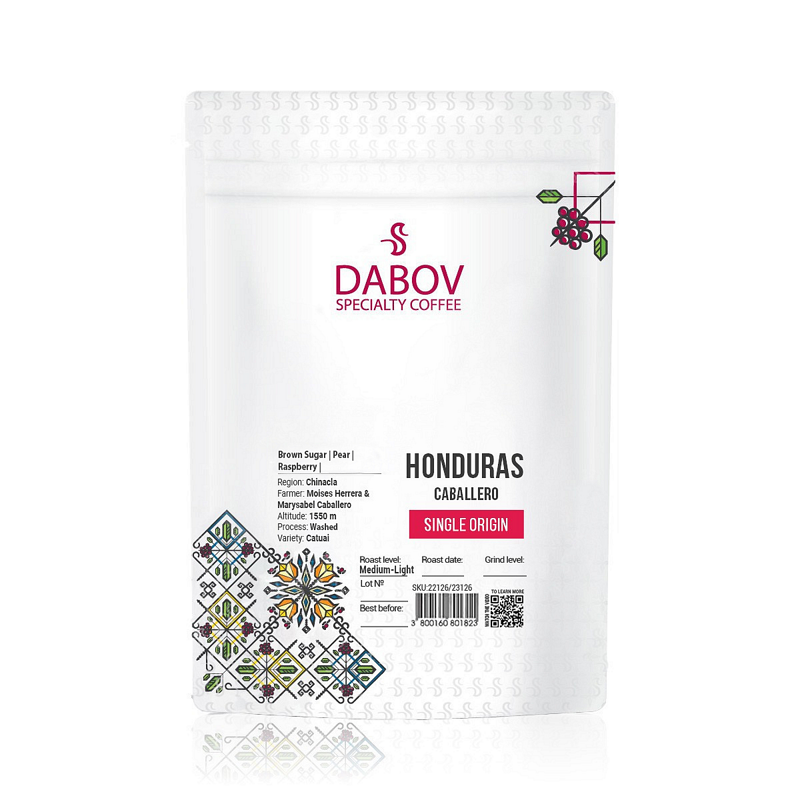
Honduras: High-altitude regions (Siguatepeque, Copán) produce balanced coffees with chocolate and fruit notes. Annual Cup of Excellence awards showcase premium lots. Political and economic instability has challenged the industry, but quality producers persist.
El Salvador: The Bourbon variety dominates. Produces clean, sweet, milk-chocolate-forward coffees. Smaller volume, but increasingly recognized for quality.
South America: Brazil, Colombia, Peru
Brazil: Volume Leader and Diversity Giant
Brazil produces 40% of global coffee—approximately 3-3.5 million metric tons annually. With such volume, quality varies enormously: commodity robusta alongside world-class specialty arabica.
Key regions:
| Region | Altitude | Flavor Profile | Notes |
|---|---|---|---|
| Minas Gerais (largest) | 800-1,400 MASL | Nutty, chocolate, sweet | Cerrado Mineiro subregion is highest quality |
| São Paulo (Mogiana) | 1,000-1,400 MASL | Chocolate, caramel, balanced | High complexity for the altitude |
| Espírito Santo | 400-800 MASL | Full body, earthy, heavy | Produces large volume of robusta |
| Bahia | 600-1,400 MASL | Fruity, clean (emerging quality focus) | Newer specialty region |
| Sul de Minas | 1,000-1,400 MASL | Balanced, nutty, subtle fruit | Wide range of qualities |
Brazilian characteristics: Full body, low acidity, nutty and chocolatey notes, sweet finish. Genetic diversity—many varieties grown (Bourbon, Mundo Novo, Catuai, Yellow Bourbon, Acaia). Processing is often natural (dry) processing, which amplifies body and sweetness.
Brazil also pioneered the pulped natural process (removing skin but leaving mucilage), creating coffees that balance natural-processing body with washed-processing clarity.
Colombia: Consistent Quality and Diverse Microclimates
Colombia ranks #2 globally (after Brazil) and is arguably the world's most consistent producer. The Andes Mountains running north-south create three parallel mountain ranges with diverse microclimates. Coffee grows year-round (two harvest seasons). This consistency appeals to roasters building blends.
Key regions:
- Huila (southern): Higher elevation (1,400-2,000+ MASL), cooler. Produces balanced coffees with chocolate and fruit notes. Recent specialty focus has yielded award-winning lots.
- Nariño (southern, highest): Colombia's highest coffee-growing region (1,600-2,200 MASL). Bright acidity, complex fruit, clean finish. Among Colombia's finest.
- Cauca and Valle (western): Medium altitude. Full-bodied, chocolate-forward, good balance.
- Coffee Axis (central): Caldas, Risaralda, Quindío departments. Moderate altitude, reliable quality, standard Colombian profile.
Colombian characteristics: Medium body, balanced acidity, chocolate and nut notes, clean finish. Washed processing standard (abundant water from mountain springs). Bourbon and Typica varieties dominant.
Columbian coffee is the industry standard for blends—reliable, flavorful, consistent year-to-year. Specialty Colombian lots (particularly from Huila and Nariño) increasingly compete with African origins for quality recognition.
Peru and Ecuador: Emerging Specialty Producers
Peru: Growing specialty focus. Regions like Cajamarca, Cusco, and Junín produce coffees at 1,500-2,200 MASL with balance of acidity and body. Flavor profile: fruit-forward (berries), chocolate, clean finish. Often organic-certified. Quality improving rapidly.
Ecuador: Proximity to Colombia means similar climate/altitude. Produces balanced, nutty, chocolate-forward coffees. Less international recognition than Peru, but quality coffees emerging.
Africa: Ethiopia, Kenya, Rwanda
Ethiopia: Coffee's Birthplace and Flavor Complexity
Ethiopia is coffee's origin—Coffea arabica evolved in Ethiopian forests. Wild coffee forests still exist; many farms practice traditional, shade-grown cultivation.
Key regions:
- Yirgacheffe (Sidamo subregion): Ethiopia's most famous origin. High elevation (1,700-2,200 MASL), natural/washed processing. Bright acidity, delicate body, floral (jasmine, lilac) and fruit (blueberry, strawberry) notes. Tea-like finish. Often described as "wine-like." Complex, elegant—benchmark for high-quality African coffee.
- Sidamo: Broader region containing Yirgacheffe. Diverse flavors depending on subregion, processing, altitude. Generally: bright acidity, fruit notes, clean finish.
- Harrar: Eastern region, lower elevation (1,500-2,000 MASL), natural processing common. Earthier, winey, fermented notes. Fuller body than Yirgacheffe. Divisive—some find it complex and intriguing; others find it funky.
- Limu and Jimma: Western regions, lower altitude. More forgiving, less complex than Yirgacheffe but pleasant and approachable.
Ethiopian characteristics: Bright acidity, light-to-medium body, complex floral and fruit notes, tea-like clarity, origin-specific flavor expression.
Ethiopian coffees are best showcased in light-medium roasts and pour-over/AeroPress brewing—methods that highlight delicate acidity and subtle aromatics without heavy-handed extraction.
Kenya: Cultivated Excellence and AA Grading
Kenya is known for bright, complex, intensive coffees. The country's coffee auction system (highest-quality coffees sold to highest bidders) incentivizes quality excellence.
Key regions:
- Mount Kenya region (Nyeri, Kirinyaga, Muranga): High altitude (1,400-2,100 MASL), volcanic soil, cool nights. Produces the famous AA grade (largest bean size, highest quality). Bright acidity, wine-like complexity, berry notes (blackcurrant, raspberry), sometimes tomato-like savory quality. Full body for an African coffee.
- Rift Valley (Nakuru, Kericho): Lower altitude, still produces quality. Medium body, balanced.
- Western Kenya (Kisii, Kericho, Nyamira): Moderate altitude. Clean, balanced, less intense than Mount Kenya lots.
Kenyan characteristics: Bright, wine-like acidity; berry, citrus, stone fruit notes; medium-full body; clean finish; intensity of flavor.
SLA (SL28 and SL34) and newer hybrid varieties (Ruiru 11, Batian) contribute to quality. Double-fermentation processing (ferment, rinse, ferment again) develops clean, bright cup.
Rwanda: Emerging Quality Star
Rwanda produces excellent coffee—a smaller volume but increasingly recognized for quality. Elevation (1,400-1,900 MASL), processing focus, and international support have elevated the origin.
Rwandan characteristics: Balanced body, bright acidity, fruity (stone fruits, berries), floral notes, clean finish. Similar to Burundi (neighboring country) but often cleaner, less wild-fermented intensity.
Asia-Pacific: Indonesia, Vietnam, Papua New Guinea
Indonesia: Unique Processing and Earthy Complexity
Indonesia is an archipelago; coffee grows across multiple islands with distinct characteristics.
Key regions:
- Sumatra (Mandheling, Gayo, Lintong): Famous for wet-hulling (Giling Basah) processing—parchment removed at high moisture (50%), creating unique fermentation. Results: full body, low acidity, earthy/herbaceous notes, sometimes smoky/spicy. Polarizing—some find it complex; others find it "funky." Popular in espresso blends (full body, low acidity play well with milk).
- Java (Situbondo, Ijen): One of world's oldest commercial coffee regions. Medium body, clean, balanced. Sometimes blended under "Java" brand regardless of origin (historical legacy).
- Sulawesi (Toraja): Wet-hulled like Sumatra but often cleaner. Full body, low acidity, chocolate and spice notes, smooth finish.
- Bali, Lombok: Emerging quality focus. Balanced, fruity-forward coffee.
Indonesian characteristics: Full body, low acidity (often thanks to wet-hulling), earthy/herbal/spicy notes, unique microbial character from high-humidity fermentation.
Vietnam: Robusta Giant and Emerging Arabica
Vietnam is the world's second-largest producer—but 97% is Robusta (lower-grade commodity). However, arabica is growing in mountain regions (Central Highlands, particularly Đà Lạt and Lâm Đồng).
Robusta characteristics: Bold, bitter, peanutty, low acidity, high caffeine. Commodity coffee; used in instant coffee and espresso blends for crema and body.
Emerging Vietnamese Arabica (small volume): Complex, balanced, fruity when grown at 1,200-1,600 MASL.
Papua New Guinea: Terroir and Small-Holder Agriculture
PNG produces unique coffee grown mostly by small-holder farmers in mountainous regions (up to 2,400 MASL). Volume is small, but quality can be excellent.
PNG characteristics: Full body, moderate-to-bright acidity, fruity (tropical fruit notes), sometimes floral or herbal. Highly variable because small farms use diverse processing methods; some are exceptional, others inconsistent.
Climate Change Threats and Emerging Regions
Challenges:
- Rising temperatures shrink suitable growing land at traditional elevations.
- Rainfall patterns shift, disrupting flowering cycles.
- Pests (coffee berry borer) and diseases (leaf rust) expand northward/higher in elevation.
- Droughts in Brazil, Kenya, Ethiopia have recently damaged harvests.
Responses:
- Farmers moving to higher elevations (replanting at 2,000+ MASL where once it was 1,400 MASL).
- Research into heat-tolerant varieties (hybrids of Arabica × Robusta).
- Agroforestry and shade-growing to regulate temperature.
- Some regions experimenting with Robusta in traditional Arabica areas.
Emerging origins (attempting to fill potential gaps):
- Zimbabwe, Zambia, Malawi: African highlands historically unsuitable, now warming into coffee-growing potential.
- Northern India, China: High-altitude regions beginning commercial arabica cultivation.
- Australia: Cool highlands produce small, premium specialty lots.
Conclusion: A World of Coffee
Each region's coffee reflects its unique geography, climate, and producer traditions. Guatemala and Central America shine in balanced, chocolate-forward profiles. Brazil dominates volume with full-bodied, nutty sweetness. Colombia offers consistent, approachable quality. Ethiopia delivers floral, fruity complexity. Kenya shows bright, wine-like intensity. Indonesia's unique processing creates earthy, full-bodied distinctiveness.
Understanding these origins transforms coffee appreciation. When you taste an Ethiopian Yirgacheffe, you're tasting 1,900+ MASL elevation, wild-coffee genetics, natural processing, volcanic soil, and centuries of cultivation tradition. When you taste Colombian Huila, you're tasting Andean microclimate, specific altitude advantage, and a producer's choice to pursue specialty quality.
Climate change will reshape this map. Some traditional regions will become marginal; new regions will emerge. This shift underscores coffee's agricultural nature—it's not an industrial product, it's a crop shaped by climate, terroir, and human choice.
As a consumer, exploring single-origin coffees from different regions is the most direct way to understand these differences. Start with a washed Kenyan AA (bright, wine-like), then a natural Ethiopian Yirgacheffe (floral, fruity), then a washed Colombian Huila (balanced, chocolatey), then an Indonesian Sumatra (full-bodied, earthy). You'll taste the world.
Frequently Asked Questions
What's the difference between natural and washed processing by region?
Washed processing is most common in water-rich regions (Colombia, Central America, East Africa). Natural processing dominates in water-scarce regions (Ethiopia, Brazil, parts of Indonesia). Honey processing originated in Costa Rica and is spreading elsewhere. Processing choice affects flavor more than origin itself.
Why does altitude matter so much?
Higher altitude = cooler temperature = slower cherry maturation = more time for complex flavor compounds to develop = denser beans with more solubles = more complex cup. A 1,400 MASL Colombian tastes noticeably different (more complex, brighter) than an 800 MASL Brazilian from the same variety, even if processed identically.
Which origins are best for espresso?
Full-bodied origins (Brazil, Indonesia, parts of Colombia) work well in espresso blends—they produce thick crema and play nicely with milk. Single-origin espresso is often medium-roasted Colombian or Brazilian. Lighter single-origin espressos (Kenya, Ethiopia) are trendy but require careful extraction.
Are African coffees always bright and fruity?
No. Bright and fruity is common (Ethiopia, Kenya, Rwanda excel at this), but Harrar (Ethiopia) can be earthy and funky. Ethiopian coffees vary widely by processing method and subregion. Generalizations are useful starting points but exception abound.
What's happening to traditional origins due to climate change?
Elevations suitable for Arabica are shifting upward. Some traditional regions (parts of Central America, Colombia) face shrinking suitable land. Rainfall patterns are unpredictable. Producers are moving to higher elevations, experimenting with shade-growing, and researching heat-tolerant varieties. The map of coffee origins will change over the coming decades.