Why Africa Produces the World's Most Distinctive Coffee
Africa is where coffee exists because of evolution, not agriculture. Coffea arabica is indigenous to the Ethiopian highlands. Every coffee tree on every continent — from Colombia to Indonesia — descends from plants that dispersed from the forests of Kaffa and Sidama over centuries of trade and colonialism. This evolutionary origin explains why Ethiopian heirloom varieties remain genetically the most diverse arabicas in the world, and why East African coffees occupy a flavor category entirely their own.
The dominant characteristic is acidity. African coffees — particularly those from Ethiopia and Kenya — show bright, complex acidity that registers not as sourness but as vibrancy. This comes from altitude (most East African growing regions sit above 1,500 meters, often above 2,000 meters), volcanic soils rich in minerals, and unique flavor-contributing compounds present in indigenous arabica varieties not found elsewhere.
African Coffee Regions at a Glance
Ethiopia: Where Coffee Began
Ethiopia is the mandatory starting point for any serious engagement with African coffee. The country's growing regions are distinct enough to treat as separate origins, each with its own flavor signature shaped by altitude, soil, and the centuries-old processing traditions of the farmers who tend these ancient forest gardens.
Yirgacheffe is the flagship. Located in the Gedeo Zone of southern Ethiopia at elevations of 1,700–2,200 meters, Yirgacheffe coffees — particularly washed lots — produce a profile unlike any other origin: jasmine, bergamot, lemon verbena, stone fruit, and sometimes blueberry or strawberry. The clarity of washed Yirgacheffe is the benchmark against which other floral coffees are judged. Pour-over and AeroPress with paper filter are the recommended brew methods — French press would mute the floral top notes behind a veil of oil.
Sidamo (administratively renamed Sidama Zone) covers a broader region at 1,400–2,200 meters. Sidamo coffees show more variety than Yirgacheffe — some lots exhibit the same floral brightness, others lean toward stone fruit and chocolate. Washed Sidamo is typically cleaner and more approachable; natural-processed Sidamo turns fruity and winey with a heavier body.
Harrar is Ethiopia's oldest commercial growing region, located in the eastern highlands at 1,400–2,000 meters. Almost all Harrar coffee is naturally processed — dried with the cherry fruit intact around the seed — which produces a heavy, wine-like profile with blueberry, blackberry, and dried fruit notes that can be almost alcoholic in intensity. Harrar is an acquired taste: the fermented-fruit character that some coffee drinkers find extraordinary reads as a defect to others.
Kaffa and Bench Sheko are the ancestral home of wild arabica, now producing commercially with increasing international attention. These forest-garden coffees tend toward green cardamom, forest floor, and dark fruit — earthier and more complex than the cleaner regional profiles.
Kenya: Technical Precision and Maximum Intensity
Kenyan coffee occupies a unique position in specialty coffee: it is one of the few origins where processing method, grading system, and farm-level management are tightly coordinated through a formal auction structure. The Nairobi Coffee Exchange grades Kenya's crop by bean size — AA being the largest, AB second, then B, C, TT, and T — and auctions lots weekly. This system creates traceable quality tiers that most other origins lack.
The Kenya AA profile is textbook: high-altitude arabica from volcanic red soil around Mount Kenya and the Aberdare Range produces a bright, almost citric acidity described as blackcurrant, tomato leaf, and sometimes grapefruit. The finish is clean and dry. This combination — intensity of flavor with exceptional cleanness — is what has made Kenyan coffee the reference point for East African brightness.
SL28 and SL34 are the dominant varieties. Both are selections developed by Scott Laboratories in the 1930s from imported Mocha and Bourbon material. SL28 shows a pronounced blackcurrant and wine-like character; SL34 is slightly more rounded and chocolatey. Together they define Kenya's signature profile.
The darker side of Kenyan coffee: it is expensive, and quality variation between lots is substantial. A "Kenya AA" designation tells you about bean size, not flavor. Always look for the cooperative or estate name — Nyeri, Kirinyaga, and Murang'a district coffees tend to be more consistent in quality than generic Kenya AA designations.
Rwanda: The Specialty Transformation Story
Rwanda's coffee story is remarkable. Before 2002, the country produced almost exclusively low-grade commodity coffee destined for commercial blends. Government policy, post-genocide reconstruction programs, and international development organizations invested heavily in washing station infrastructure and farmer training. The quality transformation over two decades is among the most dramatic in modern coffee history.
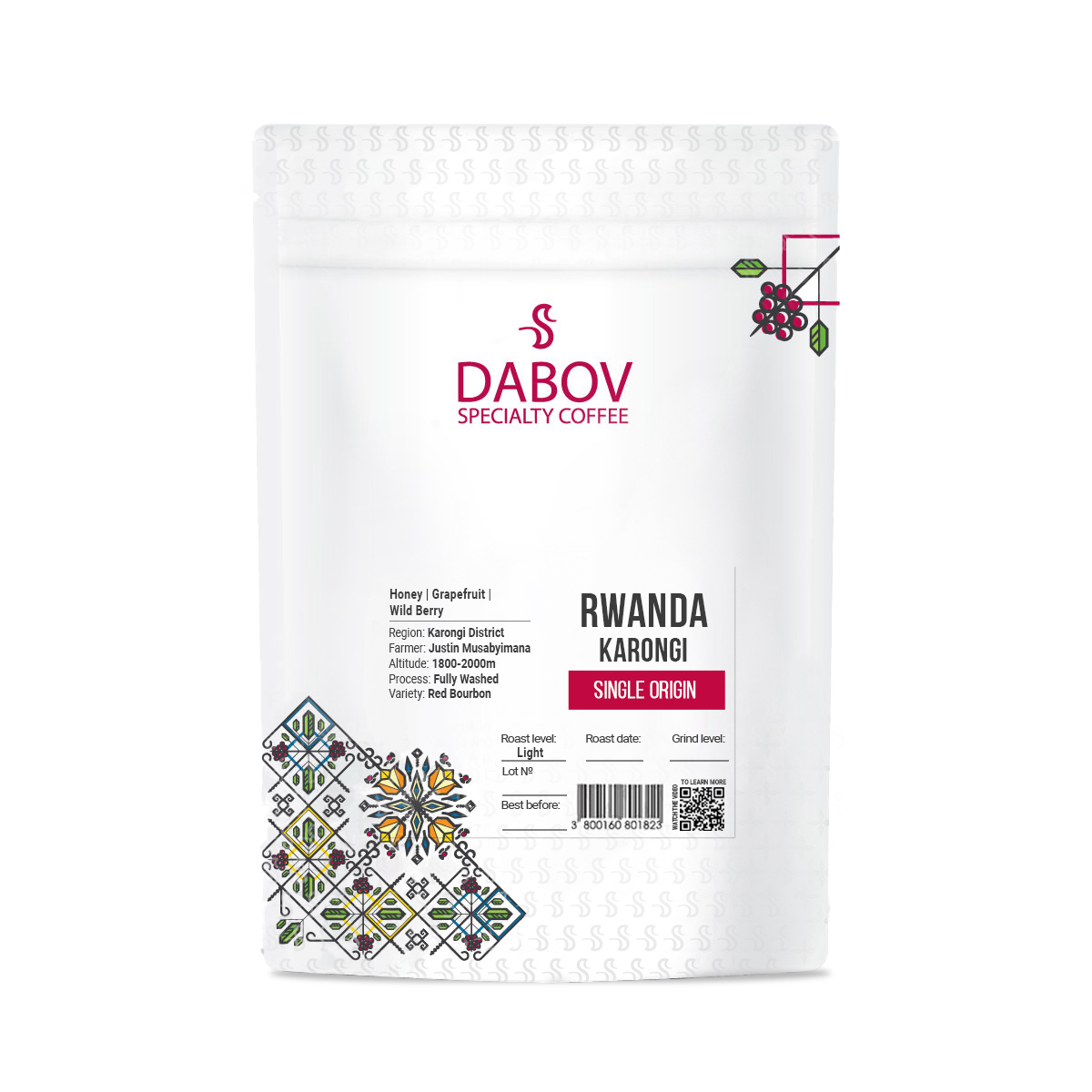
Rwandan coffee is grown predominantly in the western and northern provinces around Lake Kivu, at 1,400–1,900 meters. The dominant variety is Red Bourbon, which in Rwanda's climate and volcanic soil produces an unusually delicate, tea-like cup with notes of jasmine, orange blossom, and bergamot — similar to but lighter than Yirgacheffe.
The "potato defect" is Rwanda's most discussed quality challenge. Caused by Antestia bug infestation during cherry ripening, affected beans produce a distinct raw potato odor in the cup. Not every cup from a Rwandan lot is affected, but individual beans can contaminate a brew when present. Reputable roasters working directly with Rwandan cooperatives screen for this defect; the issue has declined significantly as integrated pest management programs have improved.
Burundi: Rwanda's Neighbor, Distinct Profile
Burundi and Rwanda share borders, altitude, and grape variety — predominantly Bourbon — but Burundian coffee has its own recognizable character. Burundian lots tend to show more stone fruit, particularly apricot and peach, alongside citrus acidity and the floral notes common to the region. The body is often described as silky rather than tea-like.
Burundian coffee has developed its international specialty coffee reputation more slowly than Rwanda, partly because of political instability affecting export infrastructure. Direct-trade relationships have increased in recent years, and the quality of traceable Burundian lots has become competitive with the best Rwandan offerings. Like Rwanda, Burundi is almost entirely Red Bourbon, giving both origins a family resemblance that distinguishes them from the heirloom diversity of Ethiopia.
Tanzania and Uganda: The Southern and Western Profiles
Tanzania produces arabica on the slopes of Mount Kilimanjaro and in the southern highlands (Mbeya and Mbinga). Kilimanjaro arabica tends toward bright, clean citrus — black tea and lemon on lighter roasts, more chocolate and dried fruit on medium roasts. Tanzanian Peaberry, a natural mutation where the cherry produces a single oval seed rather than two flat-sided seeds, is historically prized for its concentrated flavor.
Uganda is primarily a Robusta producer. Ugandan Robusta — grown in the lowlands at 900–1,200 meters — is high-caffeine, earthy, and woody, used primarily in espresso blends and instant coffee. However, Uganda's arabica production from the Rwenzori Mountains and Mount Elgon elevations of 1,800–2,200 meters produces a milder, more nuanced cup with chocolate and nut character. The Bugisu region on Mount Elgon produces coffees with clean, medium body and bright acidity more reminiscent of Kenyan arabica than Ugandan Robusta — and is still undervalued relative to its quality.
African Coffee Flavor Profiles
| Origin | Varieties | Processing | Key Flavor Notes | Acidity | Body |
|---|---|---|---|---|---|
| Yirgacheffe, Ethiopia | Heirloom | Washed | Jasmine, bergamot, lemon | Very high | Light |
| Harrar, Ethiopia | Heirloom | Natural | Blueberry, wine, dried fruit | Medium | Full |
| Sidamo, Ethiopia | Heirloom | Washed/Natural | Stone fruit, chocolate | High | Medium |
| Nyeri, Kenya | SL28, SL34 | Washed | Blackcurrant, tomato, grapefruit | Very high | Medium-full |
| Rwanda (Kivu) | Red Bourbon | Washed | Orange blossom, jasmine, peach | Medium-high | Light-medium |
| Burundi | Red Bourbon | Washed | Apricot, citrus, silky | Medium-high | Medium |
| Kilimanjaro, Tanzania | Bourbon, Kent | Washed | Black tea, lemon, clean | High | Light-medium |
| Mount Elgon, Uganda | SL14, Nyasaland | Washed | Chocolate, nut, moderate fruit | Medium | Medium |
How to Brew African Coffee for Maximum Effect
African coffees — particularly East African arabicas — are built for brewing methods that preserve clarity and acidity. Full immersion methods like French press suppress the floral aromatics that make Yirgacheffe distinctive. Paper filter methods — Hario V60, Chemex, AeroPress with paper — allow those aromatics through while keeping the cup clean.
Temperature matters more with African coffees than with most other origins. Light-roasted Ethiopian heirlooms have dense, hard beans that need higher water temperature (93–96 degrees C) to fully extract. Brewing at 85 degrees C produces under-extracted, sour Ethiopian coffee — the high altitude growing conditions create a denser bean that requires more thermal energy to open.
Cold brew is a useful exception. Ethiopian naturals — Harrar, natural Sidamo — respond particularly well to cold extraction. The low-temperature process extracts the fruity, winey qualities while reducing the harsh edge that can appear when those beans are brewed hot.
The Sustainability Pressure on African Origins
African coffee faces structural climate pressure. Research published in Nature Plants (2019) modeled that Ethiopia could lose 39–59% of its suitable growing area by 2100 under medium warming scenarios, with losses concentrated in lower-altitude ranges. The high-altitude microclimates that produce the world's most distinctive coffees are also among the most climate-sensitive ecosystems in agricultural production.
Direct trade and specialty market premiums provide partial mitigation. When roasters pay above Fair Trade minimums directly to cooperatives — the model used by most specialty importers — a larger fraction of the retail coffee price reaches farmers, creating economic incentive to protect high-altitude growing land rather than convert it to other crops. Ethiopia's designation of Yirgacheffe, Sidamo, and Harrar as protected geographical indications is a step toward both quality protection and economic leverage in international markets.
Conclusion
African coffee represents coffee at its most expressive: the widest flavor range, the highest acidity, the most distinctive varietal characteristics, and the deepest historical roots. Ethiopia is not just where the best African coffee comes from — it is where all coffee comes from. Kenya, Rwanda, Burundi, Tanzania, and Uganda each add distinct regional voices to that foundational story.
The practical consequence is that African coffees reward lighter roasts and clarity-focused brew methods. Pour these beans through a Hario V60 or Chemex, use clean water at the right temperature, and the result is coffee that tastes like flowers, citrus, and stone fruit — not because anyone added those flavors, but because they are what the arabica plant produces at altitude in the African highlands. Browse our roasted coffee selection for traceable East African lots worth exploring.