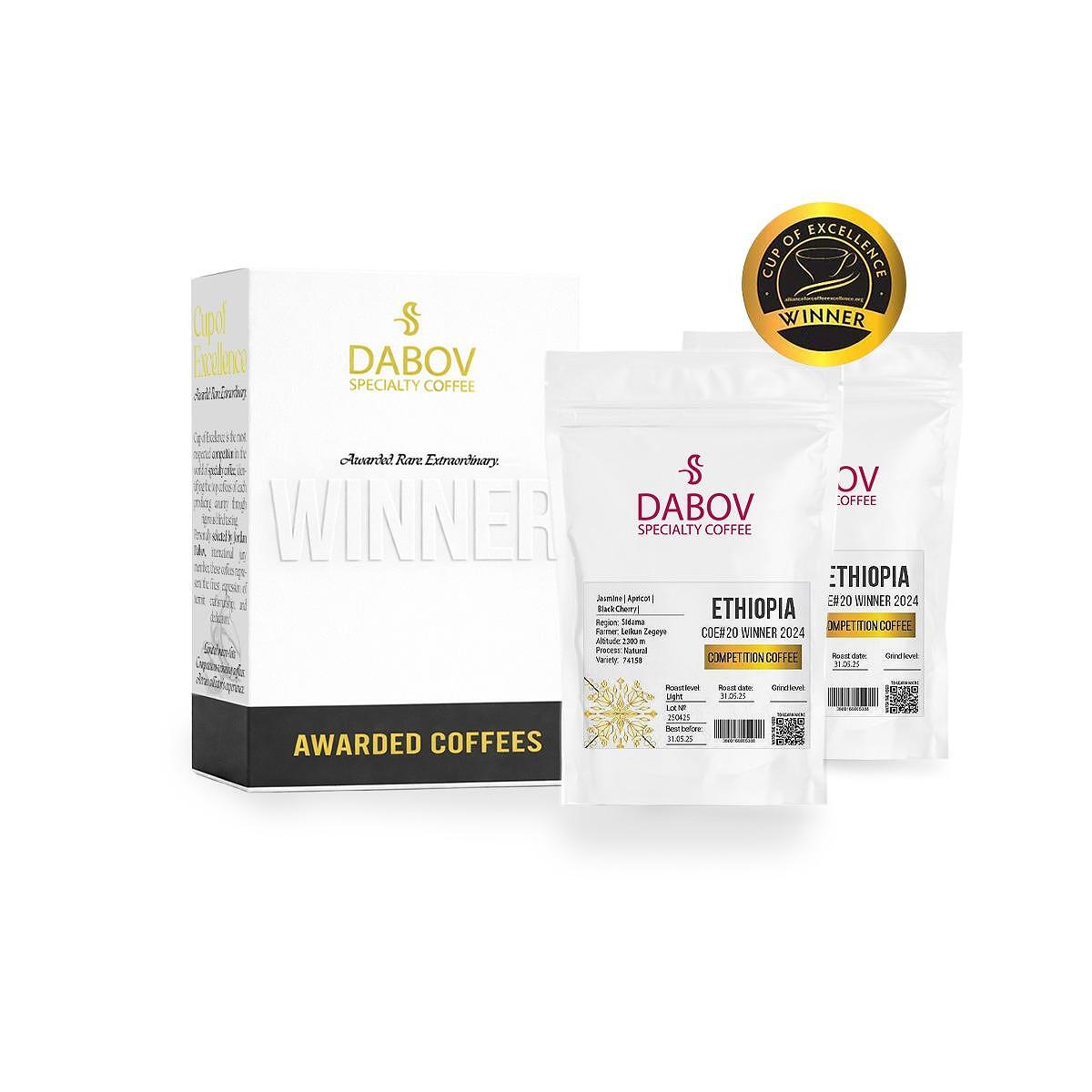
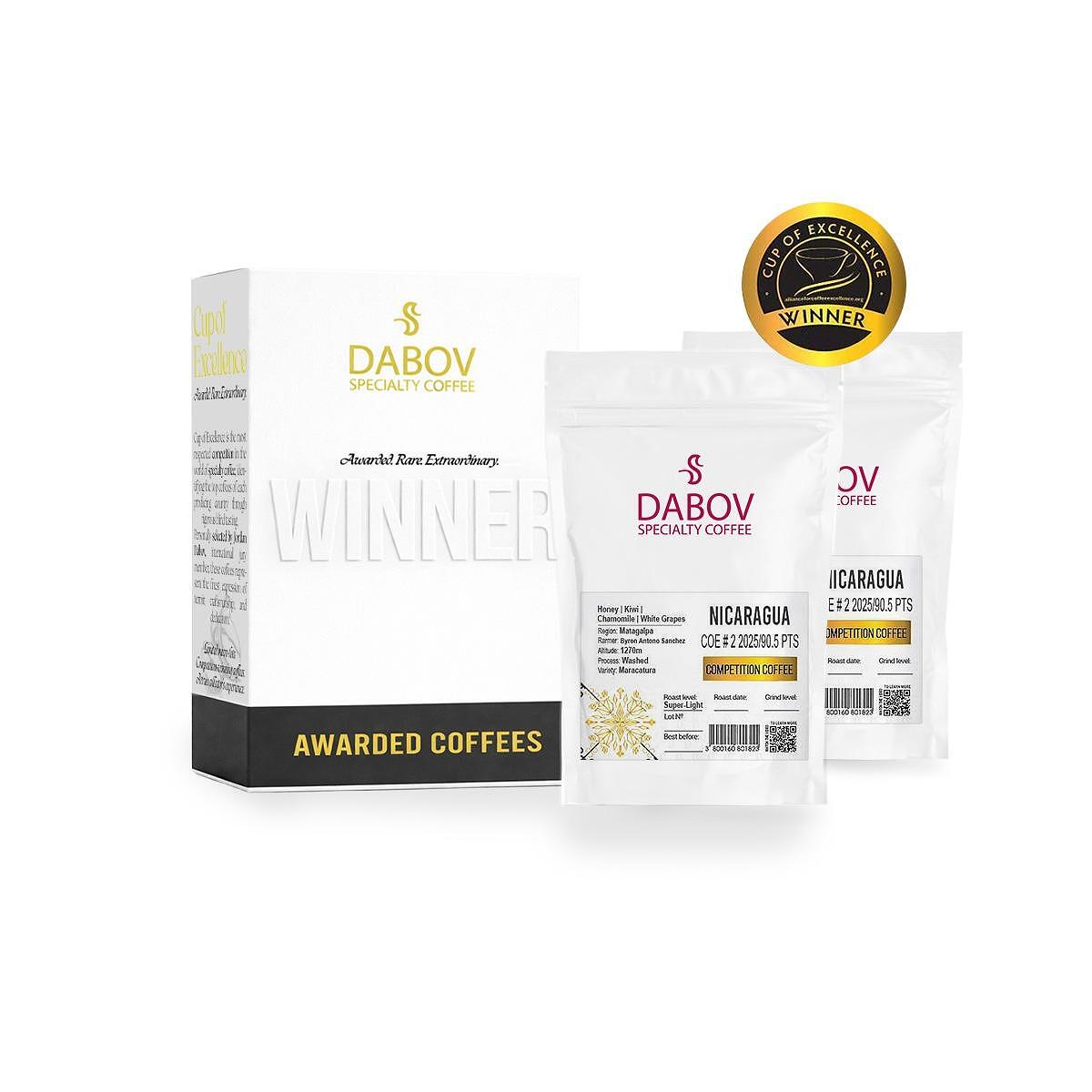
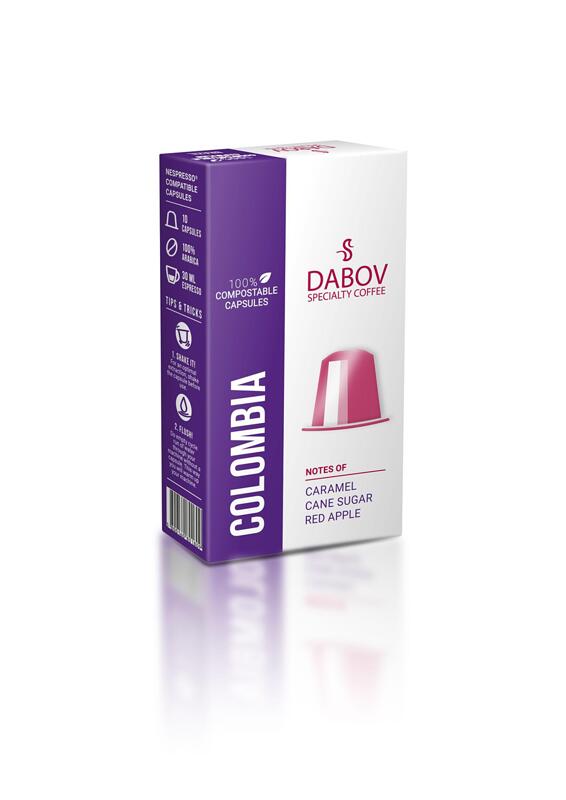
Two coffee bags sit side by side. Both say 'sustainable.' One carries a mark you recognise; one has a phrase you do not. The price difference is $4. If you are going to pay the premium—and fair trade products do command one—it is worth knowing precisely what each label buys, for whom, and how the verification works.
The Two Main Fair Trade Certifications and What Separates Them
The contemporary fair trade coffee market is divided between two major third-party certification systems that share a common history but operate with meaningfully different standards.
Fairtrade International (headquartered in Bonn, Germany) runs the system that produced the original Max Havelaar label in the Netherlands in 1988. Its mark is the black-and-white image of a figure with one arm raised—often called simply 'the Fairtrade mark.' Fairtrade International certifies primarily small producer organisations: democratic cooperatives where individual smallholder farmers are members. The core financial guarantees are the Fairtrade Minimum Price (a floor price for green coffee, currently set at $1.40/lb for washed Arabica) and the Fairtrade Premium ($0.20/lb on top of the purchase price, paid into a communal fund the cooperative controls democratically).
Fair Trade USA (San Francisco) was the U.S. arm of Fairtrade International until 2011, when it split to pursue a broader model. Its mark shows a person inside a circle with the words 'Fair Trade Certified.' The key divergence: Fair Trade USA extended certification to hired-labour estates and large farms that are not organised as smallholder cooperatives. Critics within the fair trade movement argue this dilutes the cooperative model that generates the most durable community benefits; supporters argue it brings more coffee volume under ethical standards and reaches workers on larger farms who would otherwise receive no premium.
The practical consequence at the aisle: if the specific cooperative of origin matters to you—if you want your purchase to support a democratic smallholder organisation rather than a large estate—look for the Fairtrade International mark, not the Fair Trade USA mark. Both carry genuine standards; they are not interchangeable.
The Certification Comparison Table
The landscape beyond the two main fair trade systems includes several programmes that are frequently confused with each other or misrepresented as equivalent.
| Certification | Who Certifies | Primary Focus | Covers Small Co-ops? | Covers Estates? | Minimum Price Floor? |
|---|---|---|---|---|---|
| Fairtrade International | FLO-CERT (independent audit) | Economic equity + social premium | Yes | No | Yes ($1.40/lb washed Arabica) |
| Fair Trade USA | Fair Trade USA audit | Economic + labour standards | Yes | Yes (hired labour) | Yes (similar floor) |
| Rainforest Alliance | Rainforest Alliance | Biodiversity + environmental | Yes | Yes | No |
| Small Producers Symbol (SPP) | SPP network | Exclusively small producers | Yes (only) | No | Not universal, negotiated |
| WFTO Guarantee | WFTO | Whole-organisation fair trade | Varies | Yes | No |
| UTZ (merged into RA) | Now part of Rainforest Alliance | Supply-chain traceability | Yes | Yes | No |
The Rainforest Alliance (the green frog) is the certification most often confused with fair trade. It is not a fair trade programme. Its primary lens is environmental sustainability—shade canopy requirements, biodiversity corridors, water-body buffer zones. It includes worker welfare provisions, but it does not guarantee a minimum coffee price or a community premium fund. You can buy Rainforest Alliance coffee from a large commodity trader without any guarantee that farmers received more than market price. That is a legitimate certification—but it solves a different problem.
Reading the Bag: What Specialty Packaging Actually Tells You
Specialty coffee bags from direct-trade roasters often carry no third-party fair trade certification at all—yet many of these roasters pay meaningfully above fair trade floor prices and visit their farmer partners annually. How do you evaluate these claims without a third-party mark?
The signals that indicate a genuine direct-trade relationship, versus marketing language, are:
Cooperative or farm name, not just country. "Colombia" tells you nothing. "Huila, Colombia — Asociación de Caficultores del Macizo" tells you a specific organisation that can be independently researched. Look for the named co-op or estate.
Published price transparency. Several specialty roasters publish their purchase prices, the FOB price (freight-on-board from origin), and the final retail price on their websites or on the bag itself. Visible price data is the strongest available substitute for third-party certification—it is auditable by anyone.
Harvest season or lot number. Direct-trade roasters typically buy specific seasonal lots. A lot number or harvest year on the bag indicates the roaster actually traced the purchase to a specific moment in time, not a pooled commodity purchase.
Relationship duration. Roasters with genuine direct-trade relationships usually cite multi-year partnerships, not one-off purchases. Single-season sourcing claims are more fragile.
"The best indicator that a direct-trade claim is real is price transparency. Any roaster who is genuinely proud of what they pay should be willing to publish the number. If they won't, ask why."
Greenwashing: Five Phrases That Should Trigger Scrutiny
The growth of the ethical-coffee market has produced a parallel market in ethical-sounding language that carries no enforceable commitment. These five phrases appear regularly on packaging without corresponding to any audited standard:
"Ethically sourced" — No definition, no third-party verification, no minimum price commitment. Used freely by large commodity roasters and specialty roasters alike.
"Sustainably grown" — Not a certification. May describe growing practices; may be entirely self-reported.
"Farmer-direct" — Suggests the roaster bought directly from a farm. Does not specify a price premium, a multi-year relationship, or any worker welfare standard.
"Supporting farming communities" — Present on some packaging to describe charitable programmes that are separate from the trade relationship. Giving $10,000 to a school in Guatemala while paying commodity price for coffee is not a fair trade.
"100% traceable" — Traceability (knowing where coffee came from) is a supply-chain capability, not an ethical commitment. You can trace a purchase and still pay exploitative prices.
What the Fairtrade Premium Actually Funds
The $0.20/lb Fairtrade Premium is often misunderstood. It does not go to individual farmers as extra income—it goes into a communal fund that the cooperative's members vote on how to spend. Common uses include:
- Building or improving village schools and scholarships
- Healthcare clinics and clean water infrastructure
- Farm equipment and processing facility upgrades
- Emergency reserves for crop failure or price crashes
This design is intentional: it funds collective goods that market income typically cannot. The tradeoff is that individual farmers may not see immediate cash benefit—the premium compounds as infrastructure over years, not paycheques over weeks. Whether that model serves a given community depends heavily on how well the cooperative is governed, which is why Fairtrade International's democratic-organisation requirement is as important as the price floor.
Direct Trade vs Fair Trade: Not Competitors, Different Instruments
The coffee industry often positions direct trade and fair trade as competing philosophies. The more accurate framing is that they solve adjacent problems for different buyer types.
Fair trade certification is systemic: it uses third-party audits, publicly available standards, and a minimum-price floor to create a floor across the supply chain that protects the most vulnerable producers—those with no existing direct relationship with a buyer and no leverage to negotiate price. It is most valuable in commodity markets.
Direct trade is relational: it creates a bilateral agreement between a specific roaster and a specific farm or co-op, usually at prices well above fair trade floors, with quality feedback loops that improve both parties' outcomes. It depends entirely on the roaster's own integrity because there is no third-party enforcement.
For a consumer, the practical guidance is:
- At a supermarket or mass retailer: look for Fairtrade International or Fair Trade USA certification, which provides audited assurance.
- At a specialty roaster: evaluate the direct-trade signals described above (named origin, price transparency, lot tracking). Certification is less necessary when the sourcing data is publicly available.
The Small Producers Symbol: The Most Overlooked Certification
The Small Producers Symbol (SPP, Símbolo de Pequeños Productores) is little known in North America but represents a stronger claim than either main fair trade system in one specific dimension: 100% of certified products come exclusively from small producer organisations, and a higher percentage of the final retail price is contractually directed to those producers. The SPP was created by the producers themselves, not by northern-hemisphere certification bodies—giving it a different governance logic.
Look for the SPP mark (a colourful square with a house and a figure) on specialty and cooperative-direct coffee. It is rarer than Fairtrade International or Fair Trade USA marks but indicates the strongest available small-producer commitment.
Frequently Asked Questions
Is fair trade coffee always more expensive?
Fair trade certified coffee commands a modest retail premium—typically $1–3 more per 12 oz bag compared to conventional alternatives at the same quality tier. The Fairtrade Minimum Price floor means producers are protected from commodity price crashes, but the retail price premium is not always large because specialty coffee prices are already above the fair trade floor at most quality grades. The most expensive specialty coffees often have no certification at all.
Does fair trade certification guarantee good taste?
No. Certification addresses trading conditions and labour standards, not cup quality. High-quality fair trade coffees exist throughout the specialty market; so do mediocre ones. Treating certification as a quality signal conflates two separate dimensions. Use the roast date, origin detail, and processing method to assess quality; use the certification to assess ethical sourcing.
What happened between Fairtrade International and Fair Trade USA in 2011?
Fair Trade USA split from the Fairtrade International system over a disagreement about certifying large hired-labour estates, which Fairtrade International's model excludes. Fair Trade USA wanted to expand to those farms; Fairtrade International held to the cooperative model. The split created two separate systems with different certification marks. Products sold in the U.S. may carry either mark; they are not interchangeable. Globally, the Fairtrade International mark is the dominant standard.
Can a coffee claim fair trade without certification?
Yes, in the U.S. the phrase 'fair trade' is not legally protected—any company can use it. Only 'Fair Trade Certified' (with the circular Fair Trade USA mark) and 'Fairtrade' (with the Fairtrade International mark) are protected by trademark. Any coffee labelled 'fair trade' without a recognisable certification mark from a named third party is making an unverified claim.
The Takeaway
Choosing fair trade coffee is not complicated once you know which questions to ask. The Fairtrade International mark guarantees a minimum price, a cooperative structure, and a community premium fund—audited by FLO-CERT. The Fair Trade USA mark provides similar guarantees but extends to large estates. The Rainforest Alliance frog is an environmental certification, not a price guarantee. Direct-trade claims on specialty bags can exceed all of the above if the roaster publishes price data and named origins, and fall well short if the claim is just marketing language.
The most useful in-aisle heuristic: named co-op + third-party mark + roast date. Those three data points eliminate almost all greenwashing and give you a basis for genuine comparison.
Browse our roasted coffee selection to find beans from named origins with full sourcing transparency.