What French Press Actually Does to Coffee
Most brewing devices mediate between water and coffee — paper filters, perforated baskets, pressurized chambers. The French press does none of that. You add coarse grounds to a cylindrical vessel, pour near-boiling water over them, wait four minutes, and press a mesh plunger through the slurry to trap the grounds at the bottom. The result is full-immersion extraction: every particle of ground coffee has sustained contact with water from the first second to the last.
That contact changes what ends up in the cup. A paper filter absorbs soluble oils and prevents insoluble particles from passing. The French press metal mesh does neither. Coffee lipids — cafestol and kahweol in particular — pass freely into the brew. So do ultra-fine particles that paper would trap. You get a heavier body, a more textured mouthfeel, and flavors that read richer and more rounded than the same beans brewed pour-over. It is not better or worse than filtered brewing; it is a different sensory register, and understanding that difference is the starting point.
The Components Worth Understanding
A French press consists of three elements that each affect the cup: the vessel, the filter assembly, and the plunger rod.
The vessel. Borosilicate glass is the standard. It retains heat adequately for a four-minute steep and doesn't impart flavor. Stainless steel double-wall carafes are superior for heat retention and durability — they're worth the price if you brew daily or in cold environments. Avoid plastic, which can absorb old coffee oils and taint the next brew.
The filter assembly. A standard French press has a metal mesh screen, a cross plate, and a spiral plate that captures the finest grounds. This is the most abused component. Grounds wedge between the spiral plate and the mesh; if you don't disassemble and clean the full stack after each use, stale oils accumulate and turn bitter. The filter also degrades over time — if your plunger feels looser than it once did, the mesh has likely stretched, and replacement parts are inexpensive.
The plunger rod. Thicker rods (usually stainless) flex less during the press, which matters. A rod that bends lets the mesh skew to one side, allowing grounds to bypass the filter. When pressing, apply slow, steady vertical pressure with both hands — if resistance increases suddenly, stop, pull the plunger back slightly, and continue. That resistance indicates the mesh is tilting and grounds are about to bypass.
Brew Parameters at a Glance
French press tolerates experimentation, but a reliable baseline requires attention to four variables.
| Variable | Recommended Range | Notes |
|---|---|---|
| Grind size | Coarse (sea-salt texture) | Finer grinds choke the filter and over-extract |
| Water temperature | 93–96 °C (200–205 °F) | Off-boil by 30 seconds is sufficient |
| Coffee-to-water ratio | 1:15 by weight (65 g/L) | Adjust ±10% to taste; use a scale |
| Steep time | 4 minutes | 3:30 for lighter roasts; 4:30 for darker |
| Plunge speed | 20–30 seconds, slow and straight | Fast plunging agitates grounds and stirs fines upward |
The Bloom Step and Why It Matters
Fresh coffee releases CO2 when it meets hot water. If you pour all your water at once over fresh grounds, the escaping gas creates uneven channels through the bed — some grounds over-extract, others under-extract. The bloom step addresses this directly.
Pour roughly twice the weight of water as coffee (e.g., 65 g water over 30 g coffee), let it saturate the grounds for 30 seconds, then add the remainder. The bloom lets CO2 escape before full immersion, which produces more even extraction. You'll notice the grounds swell and bubble during those 30 seconds — that is the degassing process. With very fresh coffee (roasted within the last week), this bloom is vigorous and worth doing carefully. With older coffee, it is less critical but still worth the extra 30 seconds.
After the bloom, add the remaining water in a controlled pour. Avoid stirring vigorously — a single gentle stir to ensure all grounds are saturated is sufficient. Aggressive stirring after the full water addition increases turbulence, raises extraction rate, and introduces more fines into the final cup.
Grind Size: The Most Common Failure Point
Underperforming French press coffee almost always traces back to grind. Two failure modes dominate:
Too fine: Fine particles choke the mesh, make plunging require force, and push grounds past the filter into the cup. The brew tastes muddy, astringent, and harsh. Visually, if you press and the plunger meets significant resistance before reaching the bottom, your grind is almost certainly too fine.
Too coarse: Under-extraction dominates. The coffee tastes thin, sour, and hollow. The plunger drops easily with little resistance and the brew looks pale even with a generous dose.
The target grind resembles coarse sea salt or cracked pepper. On most burr grinders, this is roughly mid-dial to coarse. Blade grinders are fundamentally unsuitable for French press — the particle distribution is too uneven, producing both fines that clog the filter and boulders that under-extract simultaneously. A modest hand burr grinder costing $30–50 is a genuine upgrade from any blade grinder.
Which Roast Levels Work Best
The French press's metal filter doesn't discriminate by roast level — light, medium, and dark roasts all work, but each requires slight parameter adjustments to express its best qualities.
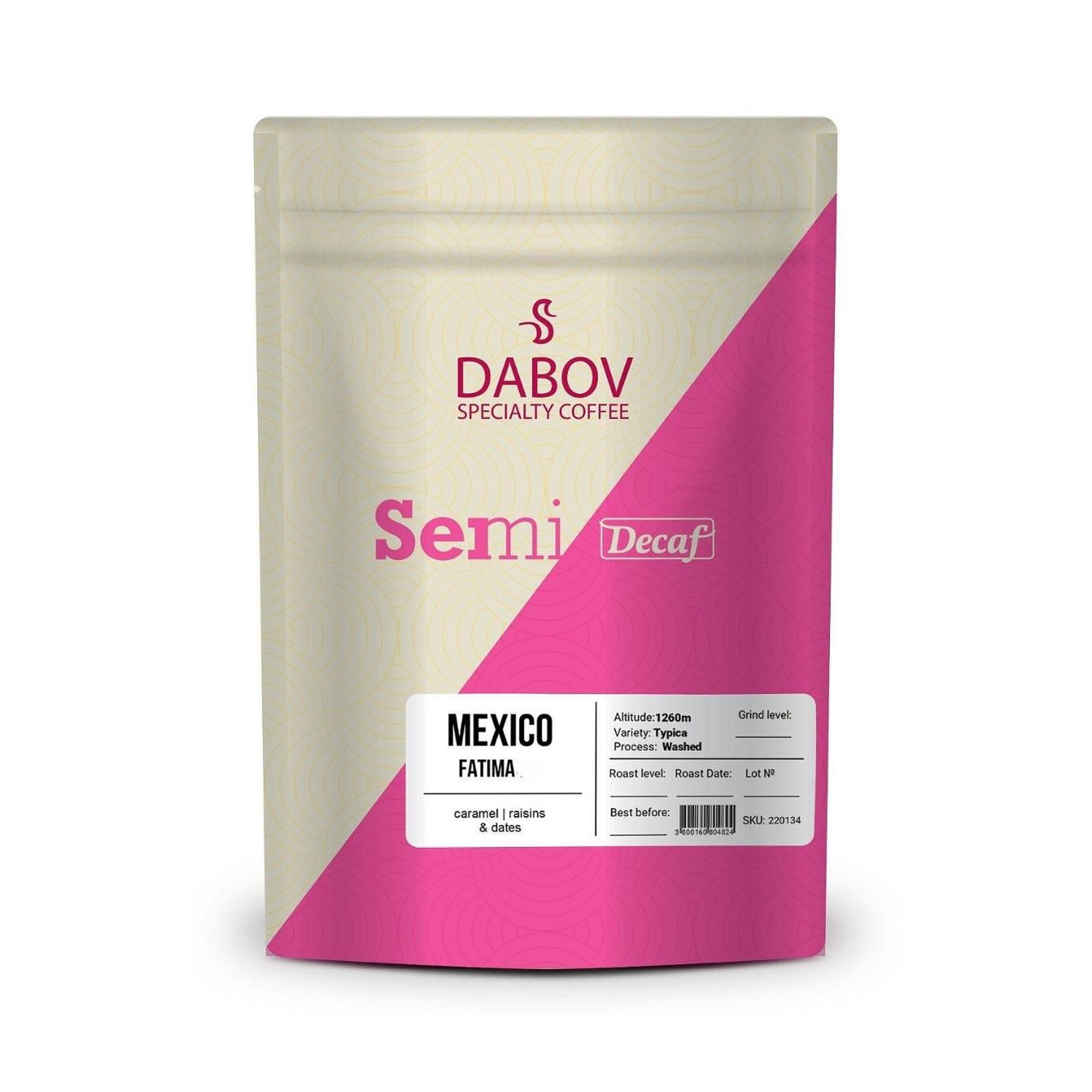
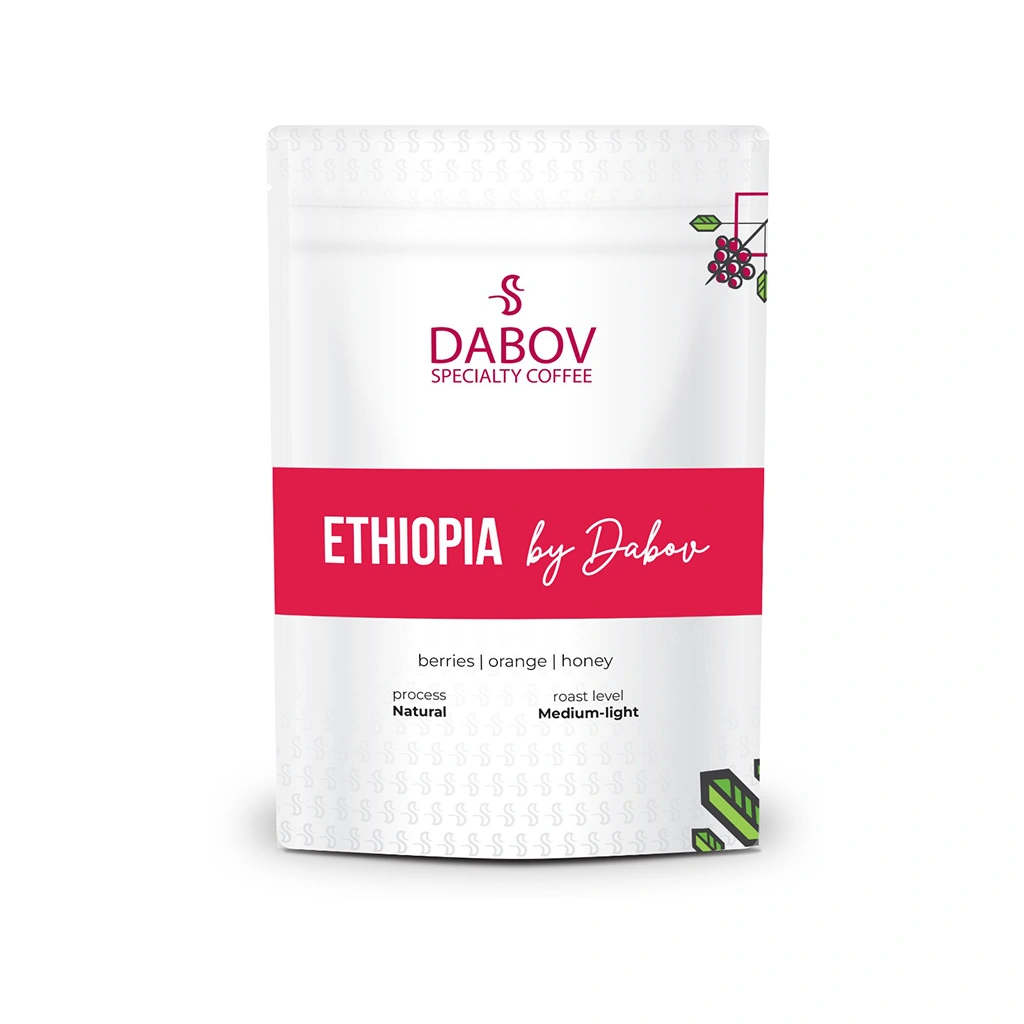
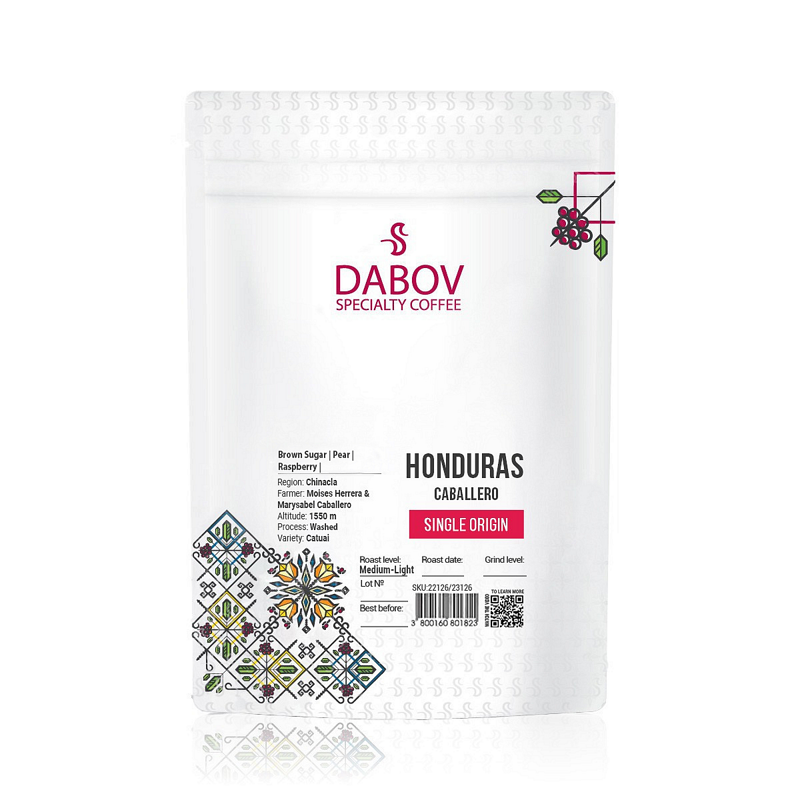
Light roasts in a French press demand precision. Their dense physical structure resists extraction; a 4:30 steep and a ratio closer to 1:12 helps. The payoff is substantial: a light-roasted washed Ethiopian or a natural Honduran retains its origin-driven acidity and fruit notes but gains the body and presence that drip methods strip out through paper filtration. Light roasts in a French press are routinely underrated.
Medium roasts are the French press's natural habitat. The immersion method and unfiltered oils amplify the chocolate, caramel, and nut notes that medium-roasted Central American or Colombian beans develop during the Maillard reaction. The result is balanced, full, and forgiving of minor parameter variation.
Dark roasts are the most common choice but also the most prone to over-extraction. Dark-roasted beans are physically more porous; they extract faster than lighter roasts at equivalent grind and time. Use a 3:30 steep, water at 93 °C, and a coarser grind than you'd use for medium. The oils at this roast level are particularly abundant — the cup will be viscous and intense.
Cold Brew in a French Press
The French press works well as a cold brew vessel and requires no additional equipment. Use a 1:7 coffee-to-water ratio with a grind slightly coarser than your standard hot brew setting. Combine in the carafe with room-temperature or cold filtered water, set the lid on without pressing the plunger, and refrigerate for 14–18 hours. Press slowly when the steep is complete. The result is a concentrate — dilute 1:1 or 1:2 with water or milk before serving over ice.
For iced French press hot-brew (not concentrate), brew at 1.5× the normal dose, steep the standard four minutes, press, and pour immediately over ice. The extra coffee compensates for dilution as the ice melts. This method works particularly well with medium-roast Latin American beans whose sweetness and body hold up to cold temperatures and dilution.
Cleaning and Maintenance
Coffee oils oxidize and turn rancid within 24 hours of exposure to air. A French press that isn't fully disassembled and washed after each use will contribute off-flavors — sour, metallic, or musty — to every subsequent brew, regardless of how good the beans are.
The correct routine: immediately after use, press the plunger to the bottom, invert the carafe over a compost bin to dump the grounds, then fully disassemble the filter stack. Rinse every component under hot running water. Once a week, scrub with a soft brush and mild dish soap. Allow all components to air-dry before reassembly — stacking wet metal parts traps moisture and accelerates corrosion.
For descaling mineral buildup on the glass carafe: fill with a solution of one part white vinegar to three parts water, steep for 20 minutes, then rinse thoroughly. Hard water areas will need this monthly.
Frequently Asked Questions
What grind size is best for French press?
Coarse and uniform, resembling cracked peppercorns or coarse sea salt. Anything finer increases extraction rate, sediment, and the risk of choking the filter. A burr grinder produces the consistent particle size required; blade grinders produce too uneven a distribution to work reliably.
How long should I steep French press coffee?
Four minutes is the standard starting point. Lighter roasts or a preference for brighter acidity: try 3:30. Darker roasts: 4 minutes or slightly less, since dark beans extract faster due to their more porous structure. Do not steep beyond five minutes; the coffee will taste bitter and flat.
Is French press coffee stronger than drip?
In terms of caffeine, the difference is minor and tied more to the dose and bean type than the brewing method. In terms of perceived richness, body, and mouthfeel, French press reads as significantly more intense because the oils and fine particles that paper filters absorb remain in the cup.
Can I use pre-ground coffee in a French press?
Yes, but standard grocery-store pre-ground coffee is typically milled for drip and is too fine for French press, producing gritty, over-extracted results. If using pre-ground, buy a product explicitly labeled coarse-ground or French press grind. A basic burr grinder is a better long-term investment.
Why is there sediment at the bottom of my cup?
Fine particles and coffee lipids pass through the metal mesh — this is normal and characteristic of unfiltered brewing. The sediment volume decreases with a coarser grind and a slower, steadier plunge. Let the cup rest for 30 seconds after pouring and stop before reaching the very bottom.
Conclusion
The French press rewards understanding more than it rewards equipment spending. A basic borosilicate carafe, a burr grinder, and a kitchen scale are all the hardware required. The technique — coarse grind, correct temperature, measured ratio, controlled plunge — is where the quality lives. Master the five parameters in the brew table above, add the bloom step for fresh beans, and clean the filter after every use. Done consistently, those steps will produce richer, more complex coffee than most machines costing ten times as much. Browse our roasted coffee selection for single-origin and blend options suited to full-immersion brewing.