What Coffee Acidity Actually Means
In coffee evaluation, "acidity" does not mean harsh or stomach-upsetting. It describes a bright, crisp quality that adds dimension and lift to a cup — the characteristic that makes an Ethiopian Yirgacheffe taste like lemon curd and bergamot rather than flat, one-dimensional liquid. Sourness — the unpleasant kind — is a defect caused by under-extraction or over-fermentation. Acidity — the desirable kind — is the structural backbone of complex specialty coffee.
The distinction matters practically. A drinker who avoids coffee because it is "too acidic" may have been drinking poorly extracted or low-quality coffee where acidity reads as aggressive sourness. Well-calibrated acidity in a high-quality washed lot from Kenya or Ethiopia reads as brightness and vitality — the coffee equivalent of a wine's racy, mouthwatering quality that makes you reach for the next sip.
The Organic Acids in Coffee
Coffee contains over 30 identified organic acids. Their relative concentrations vary by origin, cultivar, processing method, and roast level — which is why a Kenya AA cups so differently from a Brazilian natural, even if both are roasted to the same degree.
| Acid | Sensory Character | Primary Sources in Coffee |
|---|---|---|
| Citric acid | Lemon, orange, clean brightness | Ethiopian, Kenyan, most washed coffees |
| Malic acid | Green apple, tart, crisp | Central American coffees, Costa Rica especially |
| Phosphoric acid | Bright, almost sparkling quality | Kenyan AA (SL-28 cultivar especially) |
| Quinic acid | Savory, dry, astringent at high levels | Increases with darker roasting |
| Acetic acid | Vinegary (defect at high levels) | Natural processed coffees, over-fermentation |
| Lactic acid | Smooth, yogurt-like | Controlled anaerobic fermentation lots |
| Tartaric acid | Dry, grape-like | Less common; some natural-processed Ethiopia and Yemen |
Citric acid contributes the bright, lemon-like quality characteristic of high-altitude washed Ethiopians. Malic acid creates the apple-tartness found in many Central American coffees. Phosphoric acid — present in elevated concentrations in Kenyan SL-28 beans — produces an almost sparkling, mouthwatering quality distinct from simple citrus brightness.
The Maillard reaction and caramelization during roasting selectively destroy many of these acids. Chlorogenic acids break down most significantly: a light-roasted Ethiopian may retain 5–6% of its original CGA content, while a dark roast retains under 2%. Citric and malic acids also degrade with heat. Quinic acid, paradoxically, increases with darker roasting — contributing to the dry, astringent quality of over-roasted coffee that many misattribute to simply "bitterness."
Origin and Acidity: The Geographic Map
Origin is the strongest predictor of a coffee's acidity level and character. Altitude, soil type, rainfall patterns, and the specific cultivar planted all interact to determine how much acid accumulates in the cherry and survives processing and roasting.
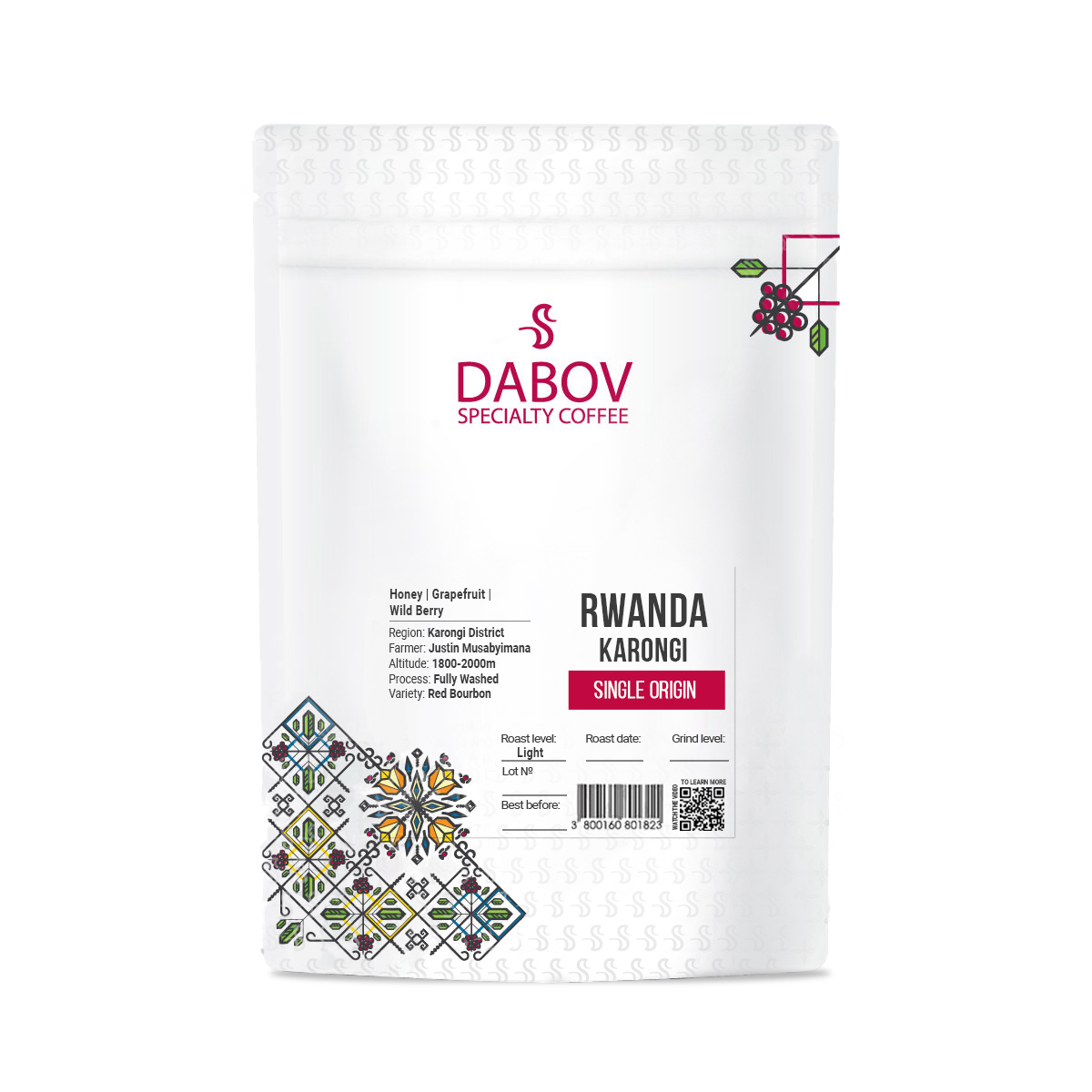
East Africa — Ethiopia, Kenya, Rwanda, Burundi — produces the world's highest-acid specialty coffees. Altitudes above 1,800 metres, volcanic soils, and the remarkable Arabica genetic diversity of the region combine to produce coffees with citric, malic, and phosphoric brightness that is structurally central to the cup. A washed Ethiopian Yirgacheffe at its best has an acidity that is simultaneously assertive and clean, often described as resembling bergamot, lime, or lemon curd. Kenyan AA's phosphoric acidity — driven by the SL-28 and SL-34 cultivars — is uniquely mouth-watering, almost sparkling on the palate.
Central America — Guatemala, Costa Rica, Honduras, El Salvador — produces coffees with moderate to medium-high acidity. The typical profile is brighter than Brazil but more restrained than Kenya. Malic acid dominates, producing a clean, apple-like tartness. Guatemala's Antigua volcanic soils add a mineral sharpness; Costa Rican honey-processed lots balance acidity with syrupy sweetness.
South America — Brazil dominates, with Colombia representing the nuanced middle ground. Brazilian naturals at low altitude (700–1,100 m) are the benchmark for low-acid specialty coffee: full body, chocolate, nuts, very low perceived acidity. Colombian coffees from Huila, Nariño, and Antioquia at 1,500–2,000 m show medium acidity with a balance that makes Colombia the reference point in most SCA cupping calibration exercises worldwide.
Indonesia — Sumatra, Java, Sulawesi — stands almost alone in the specialty world for intentionally low-acid coffees with heavy, earthy body. The giling basah (wet-hulling) processing method strips parchment at high moisture levels, which reduces acidity significantly and contributes to the distinctive herbal, cedar character of Sumatran lots.
How Processing Affects Perceived Acidity
Processing method is the most significant variable after origin in determining how acidity presents in the cup. Two lots from the same farm, same harvest, processed differently, will cup as though they came from different origins.
Washed (wet) processing removes the cherry's fruit flesh before drying, stripping away sugars and fermentation products that would otherwise modulate acid perception. The result is the most direct expression of the bean's inherent acidity — clean, clearly defined, often bright to the point of tartness. A washed Kenyan AA is the textbook example: phosphoric and citric brightness, almost no fruit influence from fermentation, pure terroir and cultivar expression.
Natural (dry) processing dries the whole cherry, allowing the fruit to ferment around the bean over three to six weeks. The fermentation generates lactic and acetic acids within the fruit, and these transfer into the bean. Counterintuitively, many naturally processed coffees taste less conventionally "acidic" than washed counterparts from the same region — the fruit sweetness and body overwhelm and integrate the acid. An Ethiopian natural from Yirgacheffe will typically score lower in cupping acidity than a washed lot from the same zone, but appears more complex, fruity, and full-bodied.
Honey processing sits between these poles. The quantity of mucilage left on the bean during drying determines how much the fruit modulates acidity perception: white honey (minimal mucilage) = closest to washed brightness; black honey (maximum mucilage) = closer to natural sweetness and body.
Roast Level and Acidity
Roasting destroys acids. This is not nuance — it is measurable chemistry. Every additional degree of temperature and every additional second at peak roast temperature degrades chlorogenic acids and volatile organic acids at consistent rates.
Light roasts (dropped at or just after First Crack, ~196°C) preserve the most acid content. The cup profile emphasizes origin-driven acidity, florals, and fruit — which is why the specialty coffee movement has moved predominantly toward lighter roast profiles over the past two decades.
Medium roasts (developed 30–60 seconds after First Crack) balance acidity with developing caramel and chocolate Maillard compounds. The resulting cup is more approachable for drinkers who find light-roast brightness excessive, while still showing the origin character of the bean in recognizable form.
Dark roasts (into or past Second Crack, ~224°C+) largely eliminate perceptible organic acidity. What remains is quinic acid's dry, astringent quality — which in poorly roasted dark coffee reads as harsh bitterness. Well-developed dark roasts manage this by choosing low-acid origins (Brazil, Robusta blends) as their base, where the dark roast amplifies body and sweetness without producing harsh quinic astringency.
Brewing Variables That Affect Acidity
The same roasted coffee can taste strikingly more or less acidic depending on how it is brewed. Three variables dominate.
Water temperature. Cold brew extraction (room temperature; 12–24 hours) reduces perceived acidity by extracting significantly less of the volatile organic acids that contribute to brightness. Hot water above 96°C over-extracts quinic acid and bitter compounds that can mimic excessive acidity. The SCA's recommended brew temperature of 90–96°C is calibrated to extract brightness without bitterness.
Extraction yield. Under-extracted coffee (extraction yield below 18%) tastes sour rather than bright — a critical distinction. Sourness in this context is a defect caused by incomplete extraction of sugars and sweet compounds that should balance acid. As extraction yield increases toward 20–22%, perceived acidity integrates and becomes palatable brightness. Over-extracted coffee (above 22%) strips out bitter compounds that then overwhelm.
Brew method. Paper-filtered pour-over methods (V60, Chemex) clarify acidity by removing oils that would otherwise coat the palate and mute acid perception. French press and espresso retain oils, which soften perceived acidity but add body. For the brightest possible expression of a high-acid coffee, use a paper filter and water temperature toward the lower end of the SCA range (90–92°C).
Frequently Asked Questions
Does higher acidity mean more caffeine?
No. Caffeine content is determined by species and cultivar genetics, not acidity. High-acid washed Ethiopian Arabica and low-acid Brazilian natural Arabica may have nearly identical caffeine levels. Robusta has roughly double the caffeine of Arabica but is not characteristically high-acid — it typically has low, flat acidity with higher bitterness.
Why does coffee upset my stomach if acidity is not bad?
Coffee stomach upset has multiple causes beyond pH. Caffeine stimulates gastric acid secretion, which can irritate an empty stomach regardless of the coffee's own organic acid content. Some people are sensitive to specific coffee compounds that trigger acid reflux. Dark-roasted coffee and cold brew (lower organic acid content) often suit sensitive stomachs better than light-roasted pour-over.
Is single-origin coffee always more acidic than blends?
Not necessarily. Many commercial blends are built around Brazilian and Indonesian bases specifically because their low acidity makes the blend approachable for a broad audience. Single-origin East African or Central American specialty coffees tend toward higher acidity because those origins are inherently bright — but a single-origin Brazilian or Sumatran will be lower-acid than most blends.
How do I know if a coffee will be high or low acid before buying?
Origin and processing method are the most reliable predictors. Ethiopian and Kenyan washed coffees indicate high acid. Brazilian natural and Sumatran wet-hulled indicate low acid. Light roast means higher acid than dark roast of the same bean. Roaster tasting notes often include explicit acidity descriptors: "bright," "crisp," "lemon," "apple" signal high acid; "full body," "chocolate," "low brightness" signal low acid.
Conclusion
Coffee acidity is not a flaw to manage or a problem to neutralize — it is a quality indicator when the acidity is clean, bright, and integrated with sweetness and body. Understanding the source of acidity (organic acids, altitude, cultivar) and the variables that amplify or reduce it (processing, roast level, brew temperature, extraction yield) gives you precise control over every cup. The goal is not maximum or minimum acidity, but the right acidity for the specific coffee and the specific drinker: a Kenya AA's phosphoric brightness served at 92°C through a paper filter is a very different experience from the same beans cold-brewed, and both can be exactly right in the right context. Browse our roasted coffee selection to explore single-origin lots spanning the full acidity spectrum from bright East African washed to smooth Brazilian natural.