Why the Coffee-Hypertension Question Persists
Few nutrition topics generate more contradictory advice than coffee and blood pressure. Your cardiologist tells you to limit it. A study published last month says moderate consumption reduces cardiovascular risk. A blog post warns that caffeine spikes systolic readings by double digits. All of these can be simultaneously true—which is precisely why the question won't go away and why a careful look at the evidence is worth your time.
The tension arises from a fundamental distinction: the acute effect of caffeine on blood pressure is real, measurable, and temporary. The long-term effect of habitual coffee consumption on cardiovascular health is a separate question with a different and generally more favorable answer. Conflating these two distinct phenomena produces the contradictions that have confused patients and clinicians for decades.
What Caffeine Actually Does to Blood Pressure
Caffeine is an adenosine receptor antagonist. Adenosine is a neuromodulator that accumulates throughout the day and progressively lowers heart rate and blood pressure, preparing the body for sleep. Caffeine blocks adenosine receptors, preventing this signaling. The result: temporary increases in heart rate, adrenaline release, and vascular resistance.
The acute blood pressure response to caffeine is characterized by rapid onset within 30 minutes, a peak at 1–2 hours post-consumption, a magnitude of typically 5–10 mmHg systolic and 3–5 mmHg diastolic, and a duration of 3–5 hours that varies with individual CYP1A2 enzyme activity. Critically, the response is dramatically smaller in chronic daily drinkers who have developed tolerance—often near-zero in habitual drinkers versus 8–12 mmHg in infrequent consumers.
A study published in the Journal of Hypertension in 2017 found that regular coffee drinkers show minimal acute blood pressure response to caffeine, while infrequent drinkers show pronounced responses. The habituation occurs within 1–2 weeks of consistent daily consumption.
The mechanism of habituation appears to involve upregulation of adenosine receptors—the body compensates for chronic blockade—and possibly adaptations in the renin-angiotensin system, which regulates blood vessel tone. The practical implication: the alarming blood pressure spike you might experience after an unusual triple espresso is not representative of what happens physiologically in daily moderate drinkers.
Long-Term Coffee Consumption and Hypertension Risk
When researchers track habitual coffee drinkers over years or decades, a strikingly different picture emerges from the acute study data. The large cohort studies consistently find no meaningful link between regular coffee consumption and increased hypertension risk.
| Study | Participants | Duration | Finding |
|---|---|---|---|
| Nurses' Health Study / HPFS | 200,000+ | 30 years | No significant association between regular coffee and hypertension risk |
| HARVEST Study | 1,200+ young adults | 12 years | Coffee drinkers had slightly lower risk of progressing to more severe hypertension |
| EPIC-Italy cohort | 14,000+ | Long-term | Moderate coffee (3–4 cups/day) associated with lower cardiovascular mortality |
| European J Epidemiology meta-analysis (2018) | 1.2 million across 36 studies | — | Moderate consumption (1–3 cups/day) associated with reduced cardiovascular disease risk |
| Journal Am Heart Assoc (2020) | Varied | — | Habitual drinkers showed blunted acute central blood pressure response |
The HARVEST Study finding is particularly notable: in young adults with early-stage hypertension (stage 1), those who habitually drank coffee had a lower rate of disease progression than non-drinkers. This runs directly counter to the conventional warning to hypertensive patients to cut coffee entirely.
The Bioactive Complexity Beyond Caffeine
Coffee contains over 1,000 bioactive compounds. Most research attention falls on caffeine, but two other compound classes matter substantially for blood pressure and cardiovascular health:
Chlorogenic acids are polyphenols that function as antioxidants and have direct vasodilatory effects—they relax blood vessel walls and improve endothelial function. Light roasts retain more chlorogenic acids than dark roasts, since heat degrades these compounds during the roasting process. Regular light-roast consumers may receive substantially more vascular benefit than dark-roast drinkers, though both show similar caffeine content.
Cafestol and kahweol are diterpenes found in coffee oil. They have no direct effect on blood pressure but raise LDL cholesterol concentrations in a dose-dependent way—a separate but related cardiovascular concern. Paper filtration removes nearly all diterpenes. Unfiltered methods (French press, Turkish coffee, Scandinavian boiled coffee) deliver these compounds directly.
The net cardiovascular effect of coffee reflects a balance: caffeine causes transient vasoconstriction; chlorogenic acids cause mild vasodilation; diterpenes (if unfiltered) raise LDL. For most people at moderate intake, the chlorogenic acid and tolerance-adjusted caffeine profile produces neutral-to-beneficial long-term cardiovascular outcomes.
Genetic Factors: Why Individual Responses Differ
One of the most important insights from recent coffee research is that the "average" effect of caffeine on blood pressure applies to almost no individual exactly. The CYP1A2 gene encodes the primary enzyme that metabolizes caffeine in the liver. Common variants produce meaningfully different pharmacokinetics:
Fast metabolizers (CYP1A21A allele) clear caffeine quickly, producing shorter and less intense blood pressure effects. These individuals generally tolerate 3–5 cups daily without cardiovascular concern. Slow metabolizers (CYP1A21F allele) have caffeine linger in circulation 2–3x longer. A 2019 study in the American Journal of Clinical Nutrition found that slow metabolizers who consumed 4+ cups daily had significantly elevated myocardial infarction risk—while fast metabolizers showed no such association at the same intake level.
Approximately 55% of the global population are fast metabolizers; 45% are slow metabolizers, with variation by ancestry. If you notice prolonged heart pounding, persistent elevated energy, or sleep disruption after 2–3 cups when others appear unaffected, slow metabolism is a plausible explanation—and your personal threshold may be substantially lower than population averages suggest.
When Caffeine Sensitivity Is Genuinely High
A minority of people experience persistent blood pressure elevation from even moderate coffee intake—not just the transient acute effect that habitual drinkers develop tolerance to, but sustained elevations that persist with regular consumption.
Kidney disease impairs caffeine elimination, effectively converting a moderate drinker into a pharmacological slow-metabolizer regardless of CYP1A2 genotype. Patients with chronic kidney disease stages 3–5 should treat caffeine recommendations as more conservative than general population guidance.
Interaction with beta-blockers: Beta-blockers reduce heart rate and blood pressure by blocking adrenaline receptors. Caffeine stimulates adrenaline release—a direct pharmacodynamic antagonism that can reduce beta-blocker efficacy when coffee is consumed close to dosing time. Not a dangerous drug interaction, but worth discussing with your prescribing physician to optimize medication timing.
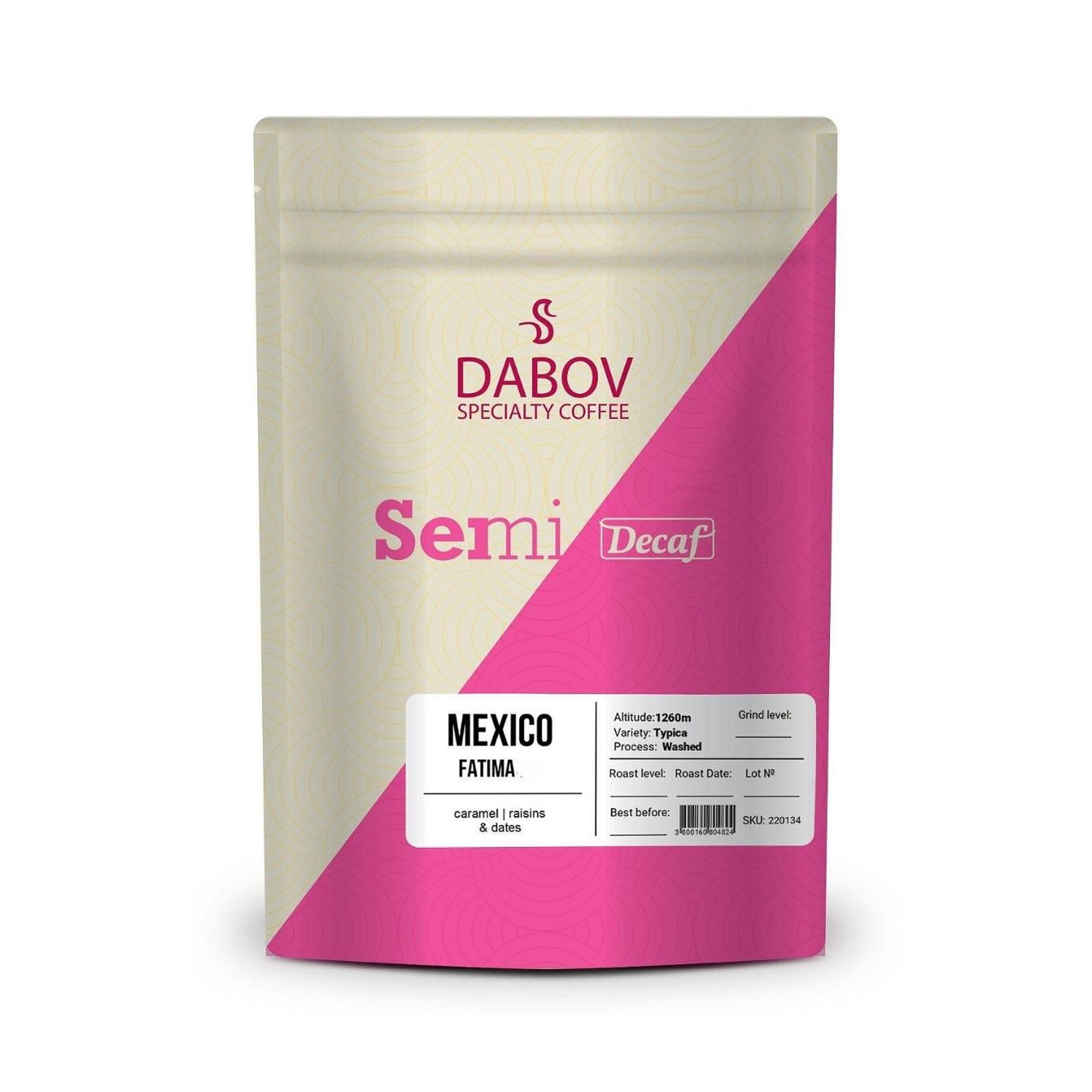
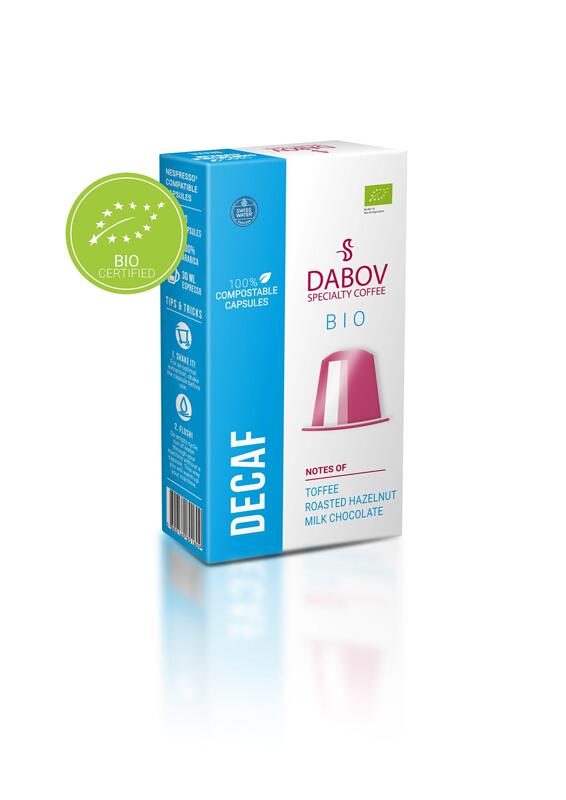
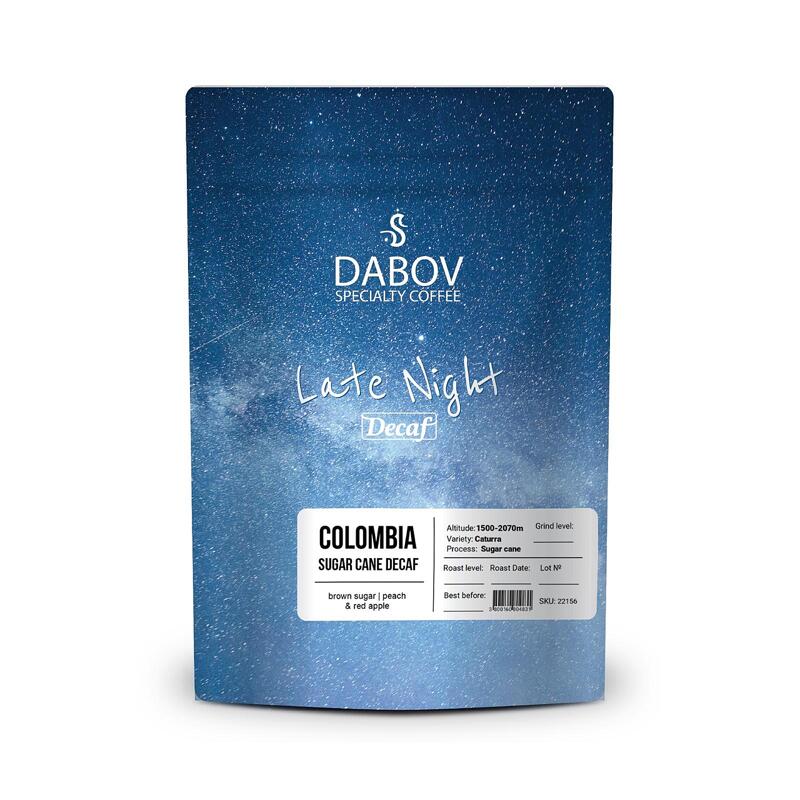
For these groups, decaffeinated coffee is not a second-best choice—it's a reasonable first choice that preserves antioxidant benefits while removing the hemodynamic variable entirely.
"People should not start drinking coffee for health benefits that have not been definitively proven, but those who already drink coffee in moderation need not stop out of cardiovascular concern." — Dr. Dipender Gill, clinical pharmacologist, St George's University of London
The Brewing Method Matters
How you brew coffee determines which compounds reach your cup—and therefore how your cardiovascular system responds.
Cold brew deserves special mention: its extended low-temperature extraction produces lower acidity than hot-brewed coffee, making it more tolerable for those with acid reflux—a common secondary complaint in coffee-blood pressure discussions. Cold brew's caffeine content can be higher per ounce than drip coffee if consumed as a concentrate, so volume awareness matters when monitoring overall intake.
Practical Guidelines for Hypertensive Patients
If you have diagnosed hypertension, the evidence supports a nuanced rather than prohibitive approach to coffee consumption:
What the evidence supports:
- Moderate consumption (2–4 cups daily) in habitual drinkers does not appear to worsen long-term blood pressure control
- Choose filtered coffee to avoid diterpene-mediated LDL elevation
- Avoid large caffeine doses before blood pressure measurements—acute effects can produce misleadingly high readings
- Monitor your individual response; slow CYP1A2 metabolizers may need to cap at 1–2 cups daily
- Time coffee away from antihypertensive medications if your prescriber advises, particularly beta-blockers
What to discuss with your doctor:
- How your specific medications interact with caffeine timing
- Whether CYP1A2 genetic testing is relevant for your case
- Whether kidney function affects your caffeine elimination rate
Frequently Asked Questions
Should I stop drinking coffee if I have high blood pressure?
Not necessarily. The large long-term cohort studies consistently show that habitual moderate coffee consumption is not associated with worsened hypertension outcomes in most people. The American Heart Association does not advise universal coffee restriction for hypertensive patients. If your blood pressure is not well-controlled despite medication, discussing caffeine timing with your doctor is reasonable—but a blanket prohibition is not evidence-based for most patients.
Does decaffeinated coffee affect blood pressure?
A 2021 meta-analysis in Nutrients found that decaffeinated coffee had no significant effect on blood pressure, confirming that caffeine drives coffee's acute hemodynamic effects. Decaf retains most of coffee's chlorogenic acid and antioxidant content, meaning it preserves many long-term cardiovascular benefits without the acute blood pressure effect.
What is a safe amount of coffee for someone with hypertension?
No universal number applies because CYP1A2 metabolism varies significantly between individuals. As a starting framework: 3–4 cups of filtered coffee daily appears safe for fast metabolizers with controlled hypertension. Slow metabolizers or those with poorly controlled blood pressure may need to cap at 1–2 cups. Consistent at-home blood pressure monitoring is more informative than any population average for your specific situation.
Does the time of day you drink coffee affect blood pressure?
Yes, indirectly. Cortisol peaks in the 90 minutes after waking. Consuming coffee during this window adds caffeine stimulation on top of an already elevated hormonal state. Waiting 90–120 minutes after waking for your first cup produces better energy benefit at lower total caffeine intake and reduces the magnitude of any caffeine-driven blood pressure response during the natural cortisol peak.
Conclusion
The truth about coffee and blood pressure is more reassuring than the warnings suggest—for most people. The acute blood pressure spike from caffeine is real but transient, and it is rapidly blunted by habituation in daily drinkers. The long-term cardiovascular profile of moderate coffee consumption, documented across millions of participants in prospective cohort studies, is neutral to mildly protective. Filtered brewing methods, consistent measurement timing, and awareness of individual genetic variation in caffeine metabolism through the CYP1A2 enzyme pathway are the practical levers that let most coffee drinkers navigate this concern without abandoning their daily cup.
Specialty coffee, precisely sourced and cleanly brewed from a known origin and roast date, gives you the most control over exactly what you're consuming. Explore our roasted coffee selection to find fresh, traceable single-origin options that pair well with a paper-filter brewing setup—delivering maximum antioxidant benefit with minimal diterpene exposure.