How Caffeine Actually Works
Caffeine's alertness effect is not stimulatory in the conventional sense — it is inhibitory. Caffeine binds to adenosine receptors in the brain without activating them, blocking the adenosine that would otherwise signal fatigue. Adenosine accumulates throughout every waking hour; the longer you stay awake, the more adenosine occupies its receptors, and the more tired you feel. Caffeine occupies those same receptor sites competitively, holding fatigue at bay without actually reducing the adenosine load. When caffeine clears — its half-life in most adults is five to six hours — adenosine rushes back, often producing the "crash" familiar to anyone who has over-relied on a late-afternoon espresso.
Beyond adenosine blockade, caffeine also stimulates dopamine signaling and raises circulating norepinephrine, contributing to improved mood, sustained attention, and working memory. Peak plasma concentration is reached within 30–60 minutes of consumption for most people, though food, genetics (specifically the CYP1A2 enzyme variant), and gut transit time all affect the speed of onset considerably.
The mechanism matters for timing: caffeine is most useful when adenosine pressure is actively building — the gap between your natural morning cortisol peak and your evening sleep onset. Front-loading all your caffeine at 7 AM means you are spending pharmacological capital exactly when your body's own cortisol-driven alertness system is still fully active, producing an overlap that is neither additive nor particularly productive. Delaying your first cup by as little as 90 minutes changes the outcome dramatically.
Cortisol: Your Built-In Morning Signal
The body has its own morning wake-up mechanism: cortisol. Secreted by the adrenal glands in response to the suprachiasmatic nucleus — the brain's master circadian pacemaker in the hypothalamus — cortisol peaks for most people between 8 AM and 9 AM on a normal sleep schedule. It drops through mid-morning, hits a secondary peak around noon, and a smaller tertiary peak near 6 PM before subsiding into the evening.
This matters for coffee timing because cortisol and caffeine produce overlapping alertness effects through different pathways. Drinking coffee during the cortisol peak (roughly 8–9 AM) wastes much of the caffeine's utility — your brain is already maximally aroused. Chronobiology research suggests the more effective window is after the primary cortisol peak has subsided, typically 90 minutes to two hours after waking for most people who maintain a regular sleep schedule.
The principle scales to any chronotype: if you are a natural night owl who wakes at 9 AM, your cortisol peak lands around 10–11 AM. Adjust the timing windows below to your own wake time rather than treating the clock numbers as absolute.
The 24-Hour Alertness Map
Understanding where caffeine fits requires mapping a typical circadian alertness cycle. Natural alertness is not flat — it rises, peaks, troughs, and rises again in a predictable pattern that varies by chronotype but follows consistent relative timing regardless of whether you wake at 5 AM or 9 AM.
body's wake-up signal — skip coffee
high natural alertness — still skip
cortisol declining — optimal timing
adenosine building naturally
early afternoon boost if needed
caffeine half-life risks sleep
caffeine should be cleared
The two windows marked green in the diagram — 9:30–11:30 AM and 1–2 PM — represent the most effective times for most people on a typical work schedule. The first window catches cortisol during its post-peak decline; the second addresses the early-afternoon trough before adenosine has stacked too high for a single cup of caffeine to fully clear from your system before bedtime.
Recommended Timing by Goal
Different alertness needs call for different strategies. This table summarizes the optimal timing window based on what you are trying to accomplish:
| Goal | Recommended Window | Rationale |
|---|---|---|
| Sustained morning focus | 9:30 – 11 AM | Post-cortisol-peak; caffeine fills the gap without competing |
| Pre-workout energy boost | 30–45 min before exercise | Caffeine reaches peak plasma at exercise start |
| Combat post-lunch trough | 1 – 2 PM | Hits the circadian low; clears system before late evening |
| Extended late-afternoon work | 2 – 3 PM (upper limit) | Half-life calculus: gone by 9–10 PM for most fast metabolizers |
| Night-shift workers | 30 min before starting shift | Reset window to your own functional "morning" |
| Competitive athletes | 3–6 mg/kg body weight, 60 min pre-event | Performance literature standard dose and timing |
The Afternoon Trough and the Coffee Nap
The post-lunch dip — typically 1–3 PM — is not caused primarily by eating. It is a circadian feature independent of food intake, driven by a drop in core body temperature and a rise in adenosine that occurs approximately 7–8 hours after waking. Food amplifies the dip by shunting blood toward digestion and triggering insulin-driven serotonin release, but the trough exists even in fully fasted individuals on a restricted feeding schedule.
Chronobiologists studying shift-work performance have investigated a technique called the "coffee nap": drink a single espresso or strong drip coffee, then immediately lie down for a 20-minute rest. The rationale is elegant — adenosine clears slightly during light sleep, and caffeine reaches peak plasma concentration after about 20–25 minutes. Both mechanisms arrive at their peak effectiveness simultaneously when you wake. Studies from Loughborough University found that this combination outperformed either caffeine alone or a nap alone on simulated driving performance metrics, making it a legitimate tool for managing the afternoon trough.
The protocol requires discipline: set an alarm for exactly 20 minutes before lying down, consume the coffee immediately beforehand, and resist the temptation to extend the nap, as sleeping longer will push you into deeper sleep stages that produce grogginess on waking.
What Degrades the Timing Effect
Several variables can undermine even perfectly timed caffeine consumption:
Caffeine tolerance develops within days of regular daily consumption at consistent doses. The brain produces more adenosine receptors in response to chronic blockade, requiring higher doses to achieve the same effect. Cycling off caffeine for 7–10 days resets baseline sensitivity substantially, and doing this twice per year maintains the pharmacological ceiling without requiring dose escalation.
Sleep debt causes adenosine to accumulate faster and to higher levels when nightly sleep is insufficient. Caffeine can mask this accumulation without actually clearing the sleep pressure. The debt carries forward and often manifests as worse afternoon fatigue than if no caffeine had been consumed at all — a form of borrowed wakefulness that charges interest.
Empty-stomach consumption accelerates caffeine absorption, which can intensify jitteriness and anxiety, particularly in slow metabolizers and those with anxiety disorders. Coffee consumed alongside protein or fat moderates the absorption rate without significantly reducing total caffeine delivery.
Late consumption and sleep architecture. Polysomnography studies consistently show reduced slow-wave sleep for several hours following afternoon caffeine, even when subjects report subjectively normal sleep quality. The subjective experience of sleeping fine does not always match the physiological data from EEG recordings.
Coffee Type and Caffeine Variance
Not all coffees deliver equal caffeine at equal volume, and knowing the approximate dose you are consuming helps calibrate timing decisions more precisely.
| Coffee Type | Typical Caffeine per Serving | Notes |
|---|---|---|
| Espresso (single shot, 30 ml) | 63 mg | High concentration, low volume, relatively rapid absorption |
| Cold brew concentrate (60 ml) | 100–150 mg | Extended extraction substantially increases caffeine yield |
| Drip/filter (240 ml) | 80–120 mg | Standard home and café serving, most common reference point |
| Instant (240 ml) | 30–90 mg | Wide variance by brand and formulation |
| Robusta-heavy blend (240 ml) | 150–200 mg | Robusta contains roughly 2x the caffeine of Arabica by weight |
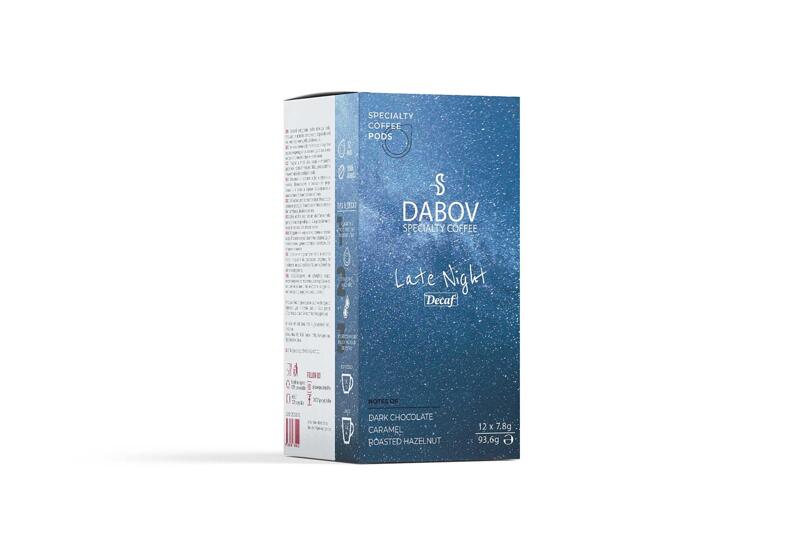
| Decaf (240 ml) | 2–12 mg | Not caffeine-free; relevant for slow metabolizers near bedtime |
Roast level has a counter-intuitive effect on caffeine: lighter roasts retain slightly more caffeine by mass because extended high-temperature roasting destroys a small fraction of the caffeine molecule. However, the practical difference between light and dark roast at equal weight is minor — roughly 5–8%. Grind size, contact time, and water temperature have far larger effects on extraction yield and therefore on the actual caffeine dose in your cup.
Frequently Asked Questions
Is it bad to drink coffee first thing in the morning?
Not harmful, but suboptimal for most people. Cortisol peaks around 8–9 AM for those waking at 6–7 AM. Consuming caffeine during this natural cortisol surge means the two effects overlap rather than complement each other, and you reinforce a caffeine-dependent alertness pattern rather than first relying on your body's own endogenous waking system.
How late is too late to drink coffee?
The practical guideline is to stop caffeinated coffee 6 hours before your target sleep time. Given caffeine's five-to-six-hour half-life, a cup at 3 PM still leaves roughly 50% of the caffeine in your system at 9 PM. For slow CYP1A2 metabolizers — approximately half the population — the effective cutoff should be 12–13 hours before sleep onset.
Does cold brew have more caffeine than hot coffee?
Cold brew concentrate typically contains more caffeine per ounce than hot-brewed drip coffee because of the high coffee-to-water ratio used in its preparation. When diluted to normal drinking strength (approximately 1:1 with water or milk), cold brew's caffeine content becomes roughly comparable to standard drip coffee — typically 80–120 mg per 240 ml serving.
Can caffeine improve athletic performance?
Yes, consistently so across the research literature. The World Anti-Doping Agency removed caffeine from its prohibited list in 2004 because the performance-enhancement evidence is robust across endurance, strength, and sprint sports. The well-supported protocol is 3–6 mg per kg of body weight, consumed approximately 60 minutes before competition.
Conclusion
Caffeine is not magic — it is a pharmacological tool with a well-understood mechanism, a predictable half-life, and a circadian context that either amplifies or dilutes its utility depending on when you consume it. The practical takeaway: wait 90 minutes after waking for your first cup, target the post-cortisol window of 9:30–11:30 AM for sustained morning focus, and limit afternoon consumption to before 2–3 PM unless you are a confirmed fast metabolizer with a late bedtime. Understanding your own chronotype and CYP1A2 metabolizer profile adds a layer of precision that most caffeinated adults have never bothered to apply.
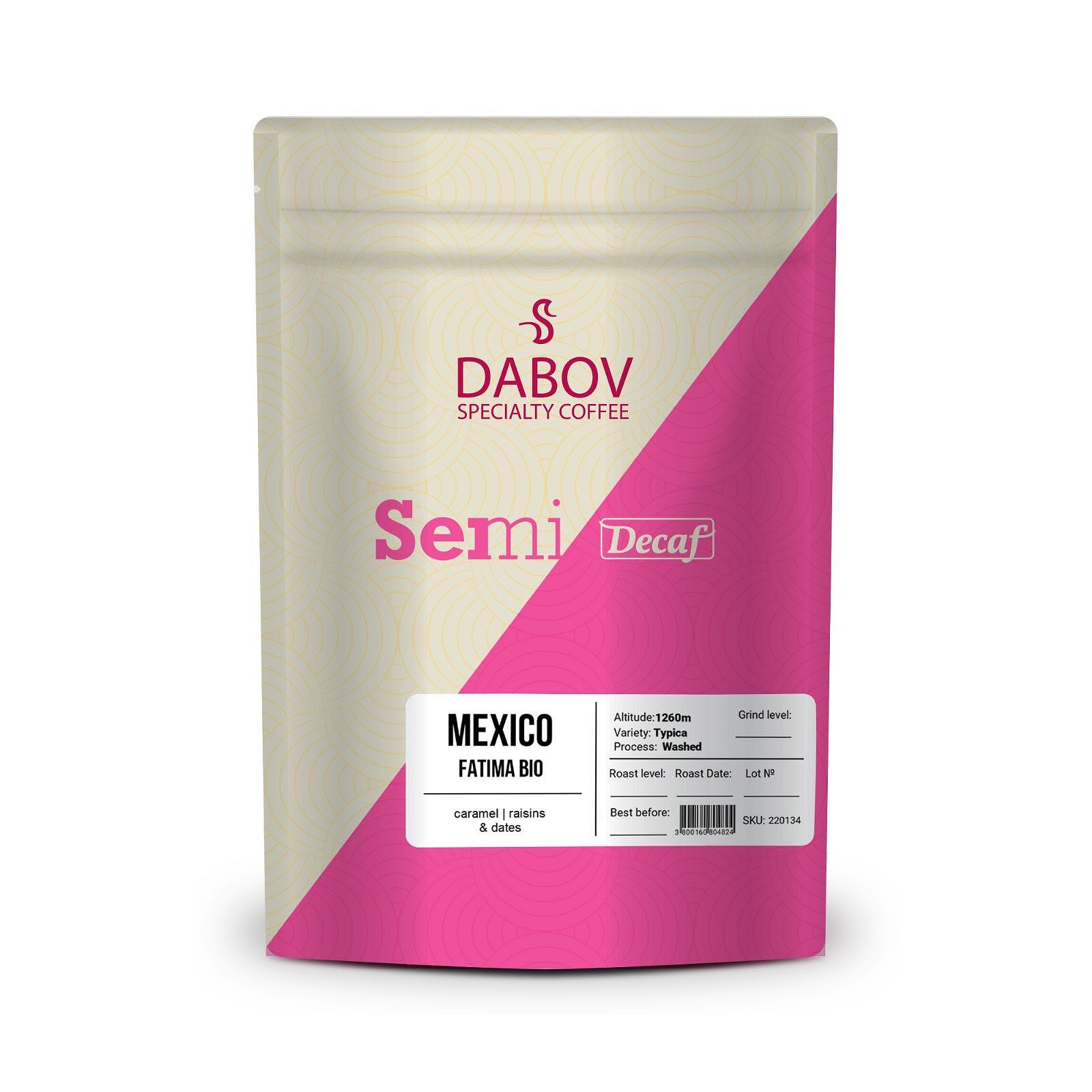
The quality of the coffee you time also matters. Freshly roasted, properly extracted specialty coffee delivers a cleaner caffeine curve — fewer co-extracted bitter compounds that can amplify anxiety and jitteriness — than stale commodity blends. Browse our roasted coffee selection to find single-origin and carefully blended options designed for a clean, well-rounded cup at any hour of the day.