Why Green Coffee Beans Need Roasting
A green coffee bean is chemically complex but sensorially inert. It contains hundreds of precursor compounds — sucrose, chlorogenic acids, trigonelline, lipids, free amino acids — that give it no useful aroma or flavor in their raw state. The bean is also physically hard and largely insoluble, making brewing extraction impossible without roasting. Roasting provides the thermal energy to drive the reactions that generate the aroma and flavor compounds we experience in the cup.
The raw bean loses roughly 15–20% of its mass during roasting, almost entirely as water and CO2. It increases in volume by 50–80% as internal gas pressure fractures the cellular structure and creates the porous matrix that allows hot water to extract soluble solids during brewing. The color transforms from grey-green through yellow to progressively darker browns through a predictable sequence of chemical events. Understanding what drives each stage helps roasters and buyers interpret what they see in the bag and taste in the cup.
Three reactions dominate the flavor-development chemistry: the Maillard reaction, caramelization, and Strecker degradation.
The Core Chemistry: Maillard, Caramelization, and Strecker
The Maillard Reaction
The Maillard reaction is a non-enzymatic browning reaction between reducing sugars and free amino acids. In coffee, it begins at around 150°C and accelerates through the roast. It produces pyrazines, furans, aldehydes, and other volatile compounds responsible for roasted, nutty, chocolatey, and caramel-adjacent aromas. The Maillard reaction is not a single reaction but hundreds of parallel and sequential pathways — the specific compound suite produced depends on bean chemistry, temperature, time, and moisture content at each stage.
The key practical implication: slowing the roast rate through the Maillard window (approximately 150–180°C) allows more time for diverse reaction pathways to run, producing more complex flavor. Very fast roasting through this zone drives a narrower reaction set and simpler profiles.
Caramelization
Caramelization occurs when sucrose and other sugars break down under heat, beginning around 170°C. It produces caramel, toffee, and sweet-bitter flavor compounds. Unlike the Maillard reaction, caramelization does not require an amino acid partner — it is purely sugar thermolysis. In light roasts, incomplete caramelization leaves residual sweetness intact; in dark roasts, extensive caramelization produces bittersweet and burnt-sugar notes at the expense of that natural sweetness.
Strecker Degradation
Strecker degradation is a subset of the Maillard pathway in which alpha-amino acids react with dicarbonyls to produce Strecker aldehydes and CO2. These contribute to aroma complexity — phenylacetaldehyde (honey, rose) and methional (cooked potato in excess) are recognizable Strecker products in well-roasted coffee.
Roast Stages: What Happens at Each Temperature
The roast divides into four sequential phases. The boundaries vary by roaster design, bean density, and moisture content.
Drying phase (100–160°C): The bean's free moisture (roughly 10–12% of green weight) evaporates. The bean surface turns yellow and a grassy or hay-like aroma is detectable. This is an endothermic phase — the bean absorbs energy without significant flavor chemistry. Duration typically 3–5 minutes.
Maillard phase (160–195°C): Color darkens from yellow through cinnamon. The Maillard reaction accelerates, and aroma complexity begins building rapidly. Specialty roasters often spend 4–6 minutes in this phase for maximum flavor development.
First Crack (195–205°C): As steam and CO2 accumulate inside cells, internal pressure ruptures cell walls with a sharp cracking sound — similar to popcorn popping. First Crack marks the beginning of what most roasters classify as light roast territory. The period immediately following First Crack is the most critical decision window for a specialty roaster.
Development phase (205–215°C): Post-First Crack, the roaster manages development time — the period between the start of First Crack and the drop into the cooling tray. Development time typically runs 60–120 seconds for a light roast. The development time ratio (DTR) — development time as a percentage of total roast time — is a key metric; specialty roasters typically target 20–25% DTR for light-to-medium profiles.
Second Crack (215–225°C): A second, quieter popping sound as more cellular structure fractures. Second Crack marks entry into dark roast territory. Surface oils begin appearing, and origin flavors — acidity, fruit, floral character — are increasingly suppressed by roast-derived bittersweet compounds.
Roast Level Classification
Roast level is commonly described on two frameworks: a sensory/visual descriptor system and the Agtron reflectance scale.
| Roast Level | Agtron Score | Bean Appearance | Flavor Character |
|---|---|---|---|
| Light (City) | 75–85 | Light brown, no surface oil | High acidity, fruity, floral, slight grain |
| Medium-Light (City+) | 65–74 | Medium brown, no oil | Balanced acidity, caramel, fruit retained |
| Medium (Full City) | 55–64 | Medium-dark, trace oil | Chocolate, nutty, reduced acidity |
| Medium-Dark (Full City+) | 45–54 | Dark, light oil sheen | Bittersweet chocolate, mild smokiness |
| Dark (French/Italian) | 25–44 | Very dark, heavy oil | Smoky, roast-dominant, low acidity |
The Agtron scale measures surface reflectance with a spectrophotometer — higher numbers indicate lighter roasts. Professional roasters use Agtron readings to ensure batch-to-batch color consistency across different green coffee lots and roast equipment.
Development Time Ratio: The Key Specialty Variable
DTR is calculated as: development time (seconds after First Crack) divided by total roast time (seconds), multiplied by 100.
A 10-minute roast with 2 minutes of development time has a DTR of 20%. Under-developed beans (DTR below ~18%) taste baked, starchy, or muted. Over-developed beans (DTR above 30% for a light roast) can taste flat, with origin character suppressed by sustained heat exposure.
The correct DTR is origin-dependent. Dense, high-altitude beans (washed Ethiopian Yirgacheffe, Kenyan SL28) typically benefit from slightly longer development to integrate high-acid complexity. Lower-density natural-process beans (Brazilian Bourbon) can bake easily and need shorter development time.
Entry Points for Home Roasting
Home roasting does not require a drum roaster. Three accessible methods deliver usable results with different trade-offs.
Stovetop pan: A heavy-bottomed skillet over medium heat with continuous stirring can roast 80–120g of green beans in 10–15 minutes. Control is imprecise, but the hands-on experience builds sensory vocabulary for identifying First and Second Crack. Heat distribution is uneven — expect 10–20% of beans to be darker or lighter than the batch average.
Popcorn air popper: The most common entry-level roasting device. An air popper's continuous fan agitation reduces unevenness significantly. Roast time is fast (5–8 minutes) and temperature is fixed — the lack of profile control is the main limitation. Well suited for learning crack timing and comparing origin character across different green coffees.
Dedicated home roaster: Machines from Fresh Roast (SR800 is the benchmark entry-level air roaster) and Gene Café (drum) allow temperature and airflow adjustment during the roast, enabling basic profile management. These cost USD 200–600 and are appropriate for anyone who has confirmed serious ongoing interest beyond the experimental stage.
Buying green beans: Green coffee is available from specialty importers including Sweet Maria's and Bodhi Leaf. Look for beans harvested within the last 12 months — older green coffee produces flat cups regardless of roasting skill or equipment quality.
Post-Roast Degassing and Storage
Freshly roasted coffee releases significant CO2 for 24–72 hours after roasting. Brewing immediately produces inconsistent extraction because escaping CO2 disrupts water contact with grounds. Espresso is typically rested 3–7 days post-roast; filter coffee needs only 12–24 hours.
Roasted beans begin staling within days through oxidation. Store in an airtight container away from light and heat. Freezing is effective for batches not used within two weeks — freeze in single-session portions, thaw at room temperature before grinding, and do not refreeze.
Reading a Roaster's Label
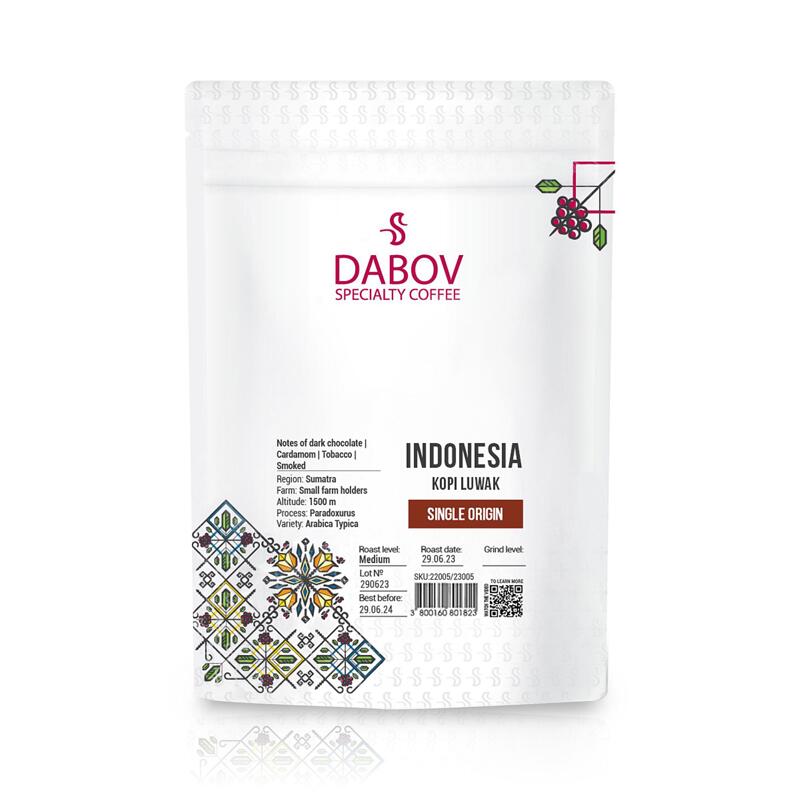
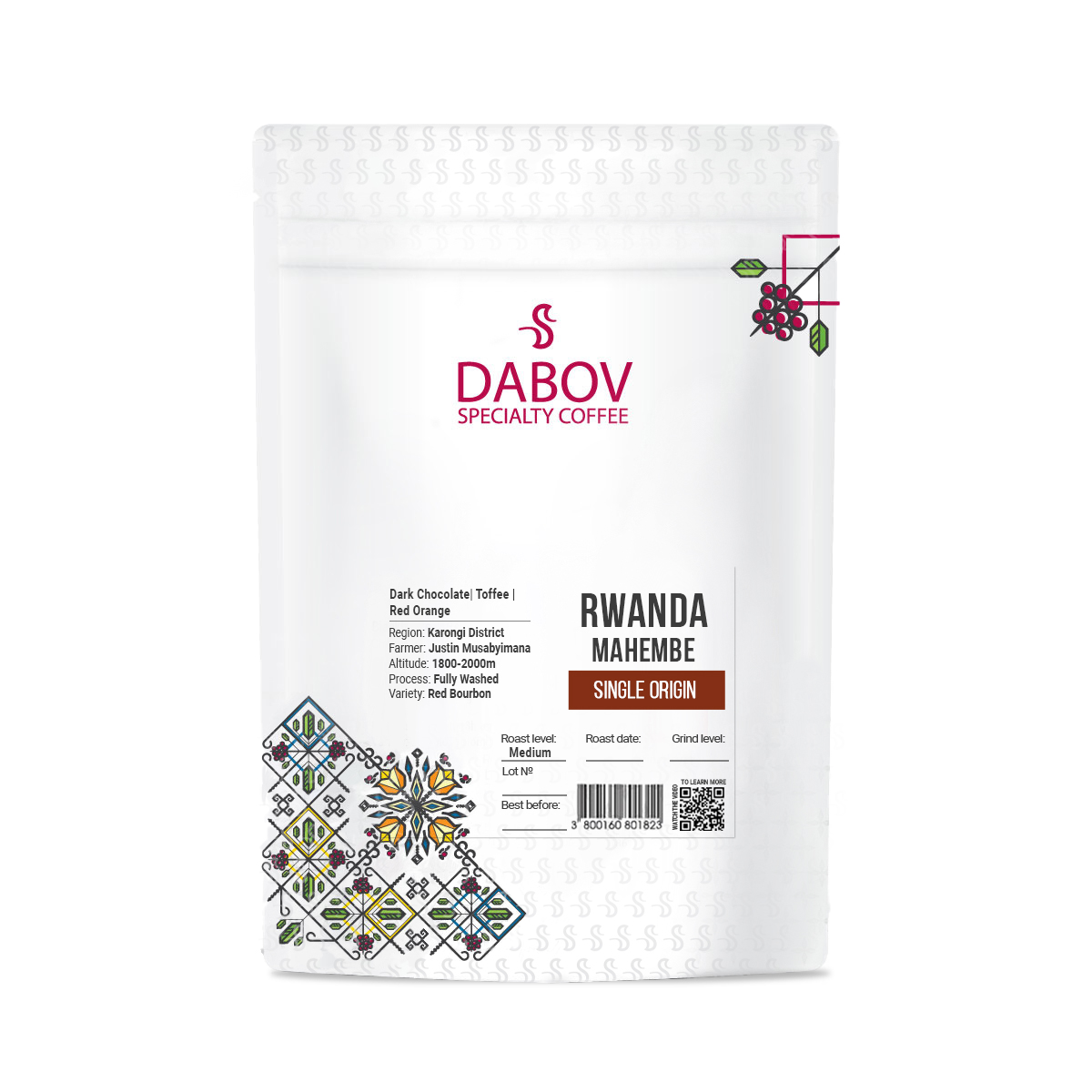
When buying roasted coffee, the information on the bag tells you more than the marketing copy. Look for roast date, not a "best by" date — roast date lets you calculate freshness yourself. A bag with only a "best by" date eight months in the future was likely roasted months ago.
Look for origin specifics (farm, cooperative, or washing station) and processing method (washed, natural, honey). These tell you what the roaster started with. Look for a target brew method or grind suggestion if offered. And if the roaster publishes a roast level number or Agtron score, that is a signal they are measuring their craft rather than guessing.
Avoid bags labeled only "espresso blend" or "breakfast blend" without any origin detail. Not because blends are bad — a well-designed blend can be excellent — but because the absence of origin information usually indicates commodity-sourced green coffee that arrived pre-blended with no traceability.
Frequently Asked Questions
What is the difference between First Crack and Second Crack?
First Crack is caused by steam and CO2 pressure rupturing cell walls as the bean reaches approximately 195–205°C — the sound resembles popcorn popping. Second Crack, at 215–225°C, is caused by further structural fragmentation as CO2 from deeper pyrolysis reactions breaks increasingly brittle cell walls. Second Crack is quieter and faster than First, and signals entry into dark roast territory where origin character is substantially suppressed.
Why does light-roasted coffee taste more acidic than dark roast?
Chlorogenic acids (CGAs) present in green coffee degrade progressively during roasting — light roasts retain more, contributing to perceived brightness. Dark roasting destroys most CGAs. Light roasting also preserves more malic and citric acids formed during cherry development. Neither acidity level is inherently superior; it reflects flavor preference and origin chemistry.
How long should I wait after roasting before brewing?
For filter brewing, 12–24 hours of rest is sufficient. For espresso, rest 3–7 days to allow CO2 degassing that would otherwise cause inconsistent extraction. Very light roasts of dense beans may benefit from 7–10 days before espresso use. Natural-process coffees typically need longer rest than washed-process beans of equivalent roast level.
What is the Agtron scale?
The Agtron scale measures roast color by reflectance spectrophotometry — lighter roasts have higher numbers (75–85 for light), darker roasts lower numbers (25–44 for dark). Roasters use Agtron readings to achieve consistent color across batches. Consumer bags labeled with an Agtron number allow precise roast-level selection rather than relying on vague descriptors.
Conclusion
Coffee roasting is where chemistry becomes flavor. The decisions made between charge temperature and drop — how fast to drive through the Maillard window, where to stop development relative to First Crack, whether to push toward Second Crack — determine what ends up in your cup. Light roasts preserve the origin character built up across months of careful cultivation. Dark roasts replace that character with roast-derived compounds that, while valid as a taste preference, tell you less about the bean and more about the heat applied.
Learning the fundamentals makes you a more discerning buyer and a more capable home roaster. Browse our roasted coffee selection — each lot is roasted to a profile that respects the origin chemistry the farmer spent a growing season developing.