Choosing Your Coffees: The Foundation of the Event
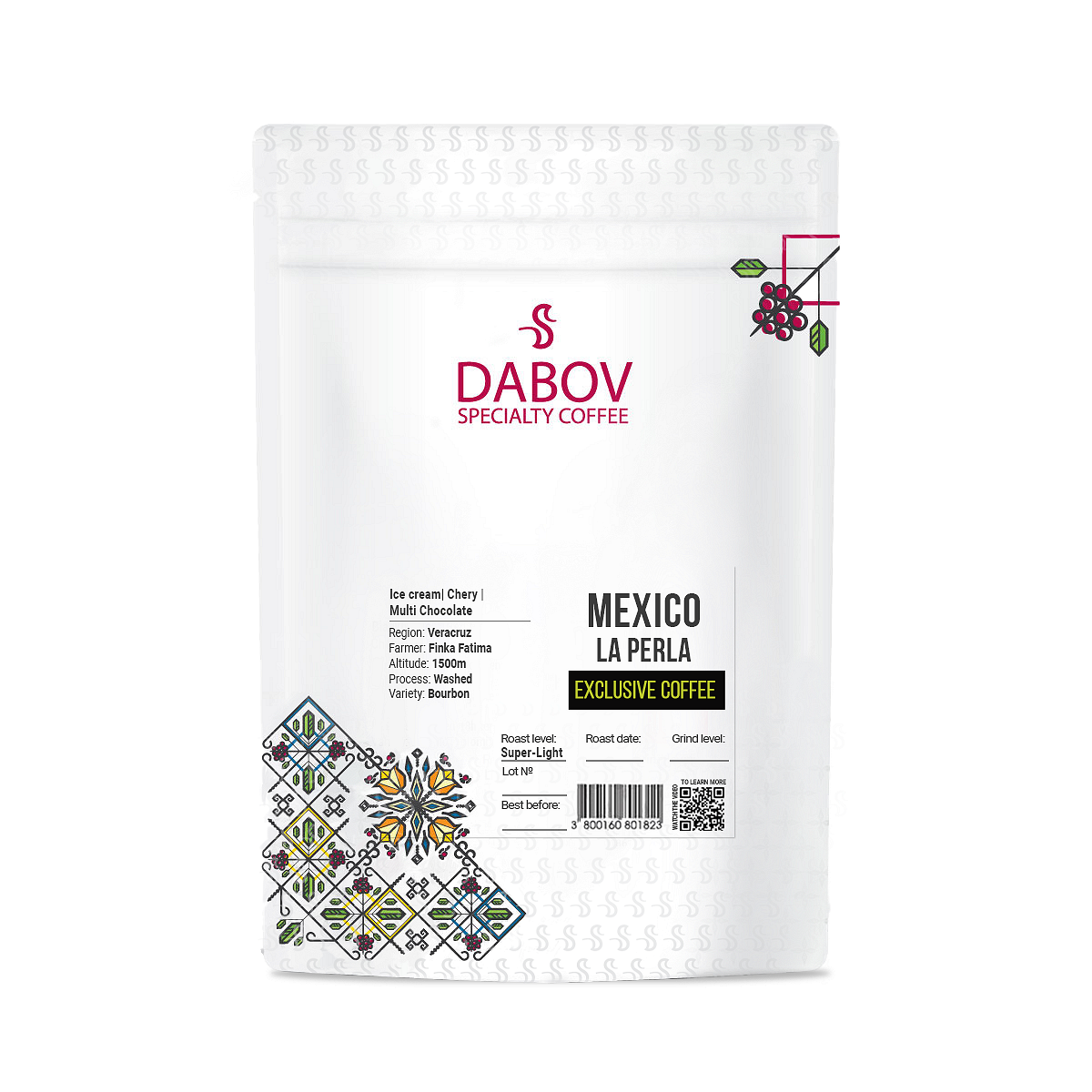
The coffee selection is the most consequential planning decision you make. Three to five coffees is the working range for a home tasting: fewer than three does not generate meaningful comparison; more than five exhausts palates and attention before the final cup.
The most educational lineups contrast coffees along a single variable while holding others constant. Three good contrast frameworks:
- By origin: Ethiopia (floral, citrus), Colombia (balanced, red fruit), Sumatra (earthy, full body) — same roast level, washed process where possible. This isolates terroir as the variable.
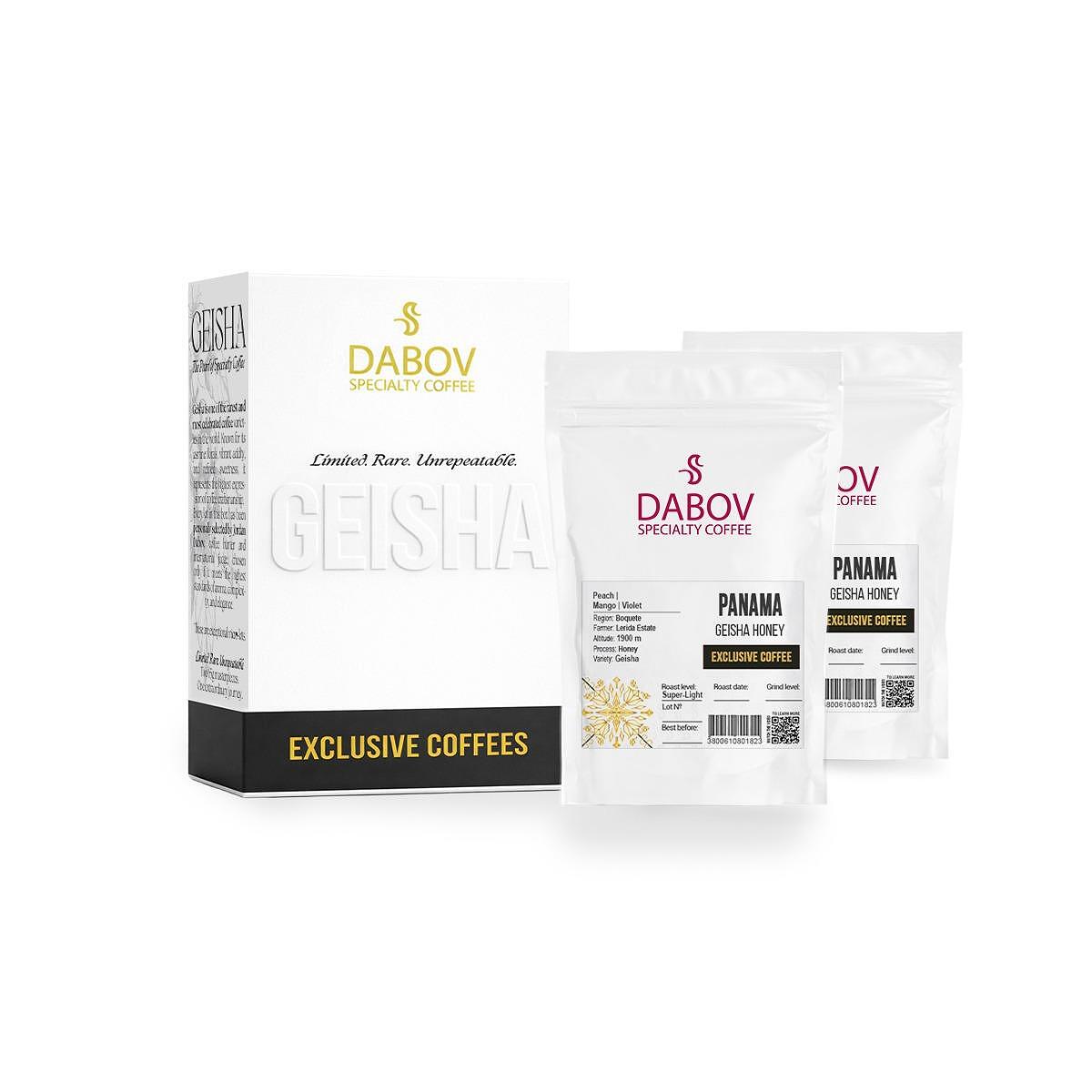
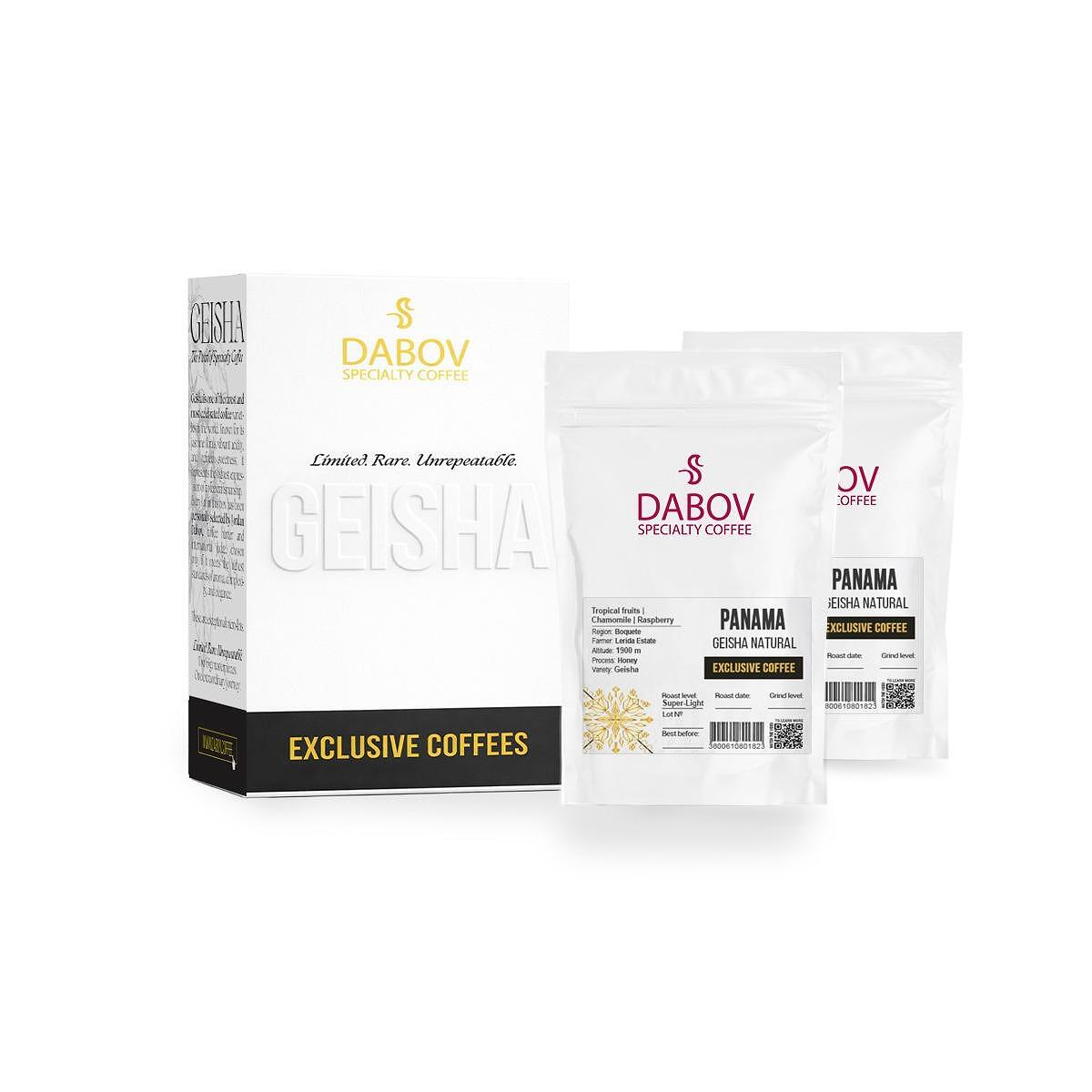
- By processing method: One washed, one natural, one honey-processed, all from the same origin if possible. This isolates fermentation as the variable — the difference in cup character is dramatic and immediately perceptible.
- By roast: Light, medium, and dark from the same origin (or from the same roaster's single-origin lineup). This isolates roasting's effect on acidity, body, and flavor development.
For each coffee, source beans roasted within the previous two weeks. Stale coffee (roasted more than three to four weeks prior) has lost its volatile aromatics — the compounds that make a Yirgacheffe smell like bergamot and jasmine. If your local roaster cannot provide roast dates, buy from an online specialty roaster that stamps its bags.
Brew Method Selection: Standardize for Fairness
Different brew methods extract different compounds at different rates. Tasting four coffees where one was brewed in an AeroPress, one in a French Press, and two in a V60 is comparing apples to four different fruits. Pick one method and use it for all coffees.
| Brew Method | Cup Character | Practical Advantage | Best for Tasting |
|---|---|---|---|
| Cupping (SCA protocol) | Unfiltered, full-bodied, shows all oils | No equipment needed beyond a bowl and hot water | Professional comparison |
| Hario V60 / Chemex | Clean, bright, highlights acidity and origin | Familiar to most coffee drinkers | Light and medium roasts |
| French Press | Heavy body, rich texture, muted clarity | Easy to batch for groups | Medium and dark roasts |
| AeroPress | Concentrated, versatile, quick turnaround | Fast brewing for multiple coffees | All roast levels |
| Cold brew | Low acidity, flat aromatics | Poor for comparison — suppresses distinctions | Not recommended for tasting |
For home tastings, the SCA cupping protocol is the most egalitarian method: coarsely ground coffee steeped in hot water in small ceramic bowls, with a crust that is broken at four minutes to release aromatics. No equipment beyond a kettle, bowls, cupping spoons, and a scale. The format is democratic and produces identical results across coffees if the dose ratio is kept constant (8.25 grams per 150ml is the SCA standard).
If the cupping protocol feels too clinical for your guest list, pour-over is the best alternative for light and medium roasts. Brew into a batch server and pour into individual cups simultaneously. Keep the water temperature consistent at 93°C (200°F) and use the same dose and brew time for each coffee.
Setting Up Your Tasting Station
A functional tasting station has four zones: grinding, brewing, tasting, and notation. These do not need to be physically separate, but the workflow should flow in one direction to avoid congestion.
Grinding zone: Burr grinder (flat or conical — not blade), scale with 0.1g resolution, timer. Grind immediately before brewing for each coffee. If you have a single grinder, purge it between coffees with 3–5 grams of the next coffee's beans before measuring the dose. Residual grounds from the previous coffee contaminate the grind.
Brewing zone: Kettle (temperature-controlled if possible), brew vessels, hot water reserve in a thermal flask. Group all brewing equipment together. Label each brew vessel clearly before brewing begins — not after.
Tasting zone: White ceramic cups (4–6 oz capacity), cupping spoons, water glass and plain crackers as palate cleansers. White cups allow accurate color observation. Space cups at least 15 cm apart so guests can lean in without crowding each other.
Notation zone: Tasting note cards or printed sheets for each coffee, pencils (not pens — pen ink has its own smell). A printed SCA Flavor Wheel at each station is useful for guests who are struggling to find words for what they are tasting.
The Tasting Protocol: Guiding Your Guests
Begin the event with a five-minute orientation. Cover four points: what you are tasting and why those coffees were selected; how to evaluate aroma, flavor, acidity, body, and aftertaste; the etiquette basics (no strong perfume, clean spoon for each coffee, avoid commenting on flavors until everyone has had a first taste); and the format (three rounds, notation between each).
Round 1 — Dry aroma: Before adding hot water, grind a small sample of each coffee and present it in a small bowl. Guests lean in, cup their hands over the bowl, and sniff. The dry aroma is often the clearest expression of a coffee's character — the volatiles that survive roasting without the competing compounds released by hot water.
Round 2 — Wet aroma and initial tasting: Brew simultaneously. Allow the first 30 seconds of steaming to develop. For cupping, break the crust at four minutes with a spoon, bring the nose close, and inhale the released steam. Then taste by slurping vigorously — this aerates the coffee and spreads it across the full palate, reaching the retronasal olfactory receptors that contribute as much to flavor perception as the tongue itself.
Round 3 — Comparative evaluation: Let the coffees cool to room temperature. Flavor complexity and acidity become more pronounced as temperature drops. This is when subtle differences between coffees become most apparent.
Between rounds, prompt specific comparisons: "Which coffee has the brightest acidity?" "Which one is sweetest?" "Does the body of the Sumatra change how you experience the Ethiopian?" Directed questions produce more engaged conversation than open-ended "what do you think?" prompts.
Food Pairings That Enhance Rather Than Overwhelm
Food pairings at a coffee tasting should support the coffee's flavors, not compete with them. Avoid anything strongly flavored — garlic, chili, strong cheese — that leaves a residue on the palate. The safest pairings are neutral cleansers and mild complements.
- Unsalted plain crackers and room-temperature water between coffees reset the palate reliably.
- Dark chocolate (70% or higher) pairs well with coffees showing cocoa or nutty notes — the bitterness of the chocolate resolves against the coffee's sweetness.
- Fresh fruit (thin slices of apple, pear, or citrus segments) complement fruity coffees from Ethiopia or Kenya without overpowering them.
- Light pastry (plain croissant, plain shortbread) works with medium and dark roasts, providing a butter-fat contrast that amplifies sweetness perception.
Portion size matters: a single bite is enough for a pairing. You are demonstrating the interaction, not serving a meal. Keep portions small so guests' attention stays on the coffee.
Keeping the Room Engaged
A tasting event with no interactive element beyond drinking can stall around the 30-minute mark. Three activities that extend engagement without turning the event into a game show:
Blind tasting round: Cover the labels after guests have had an open first taste of each coffee. Re-present them in shuffled order and ask guests to match the cup to the origin or processing method. The mismatch of what people expect versus what they perceive is the moment most guests report as the event's highlight.
Aroma identification exercise: Prepare small numbered vials or paper towels scented with 4–5 aromas found in specialty coffee — jasmine, dried apricot, dark chocolate, black pepper, cedar. Ask guests to match each aroma to the coffee they associate it with. This trains retronasal sensitivity and usually generates the most discussion of any activity.
Processing method comparison: If your lineup includes coffees from different processing methods (washed vs. natural), this comparison is inherently dramatic. The difference between a washed Ethiopian — clean, bright, citrus-forward — and a natural-processed Ethiopian — heavy, berry-dense, almost wine-like — from the same growing region makes processing's role in flavor immediately tangible.
Logistics and Guest Experience
Group size: 6–10 guests is optimal for a home tasting. Fewer than six and you lose the diversity of palate perceptions that makes comparison interesting; more than 10 and the noise level interferes with the quiet attention that aroma evaluation requires.
Timing: Sunday afternoon, mid-morning, or early evening work best. Avoid times close to meals — a full stomach blunts the palate, and guests arriving hungry will want to eat rather than taste.
Caffeine management: Five coffees at a tasting translates to two to three espresso-equivalent doses for a guest who drinks every cup fully. If your guest list includes anyone caffeine-sensitive, provide a spit bucket or encourage taking small sips rather than full tastes. Keep water available throughout.
Preparation timeline: Roast-day +7 to +14 is the sweet spot for most coffees (peak off-gassing has passed, aromatics are at maximum). Grind to order, never the night before. Brew no more than 10 minutes before the tasting begins — coffee starts losing volatile aromatics the moment it leaves the brewer.
Frequently Asked Questions
How many coffees should I include in a home tasting?
Three to five is the practical range. Three gives meaningful comparison without overwhelming the palate; five is manageable for attentive guests with palate cleansers between cups. More than five coffees means later cups receive less focused attention than earlier ones, skewing comparisons.
Do I need expensive equipment to host a cupping?
No. The SCA cupping protocol requires only a scale, a kettle, small ceramic bowls, cupping spoons, and hot water. A temperature-controlled kettle is helpful but not required — water just off the boil works for most coffees. The quality of the coffee matters far more than the equipment used to brew it.
What is the correct temperature for tasting coffee?
Coffee reveals different characteristics at different temperatures. Slurp first when the cup is hot enough to steam (around 70°C) for aroma intensity, then allow the cup to cool to near-room temperature (around 30–40°C) for flavor complexity and acidity clarity. Evaluating at both temperatures gives a more complete picture.
Should guests have coffee knowledge to attend?
No — beginners often make the most interesting tasters because they describe what they actually taste rather than reaching for expected descriptors. Brief orientation at the start of the event is sufficient preparation. Mixed groups of enthusiasts and novices typically generate more dynamic conversation than groups of all specialists.
Conclusion
A well-run coffee tasting party teaches something real — about how geography, processing, and roast interact to produce flavor — while being genuinely enjoyable. The planning investment is modest: a thoughtful coffee selection, a standardized brew method, a tasting station that supports the protocol, and a few structured activities that keep the room curious past the first cup. What you get back is a group of guests who will look at their morning coffee differently for weeks afterward.
For the coffees themselves, browse our roasted coffee selection — we carry single-origin lots across multiple origins and processing methods, all roasted to order and dated, which makes building a contrast flight straightforward.