Why Interactive Design Matters
The sensory memory for flavors is constructed through active discrimination — comparing two things, being right or wrong, revising your interpretation. Passive exposure to good coffee does not build palate; active comparison does. This is why the SCA cupping protocol, developed by the Specialty Coffee Association as the global standard for evaluating coffee, puts multiple samples in front of the taster simultaneously rather than sequentially. Tasting five coffees side by side, at the same temperature, under the same preparation conditions, forces your brain to map differences rather than simply record impressions.
An interactive event uses this principle throughout its design. Every activity should create a comparison, a decision, or a prediction — something that can be confirmed or refuted in the next five minutes. The practical consequence is that the knowledge participants take home is attached to a sensory memory rather than floating in the abstract — they can taste their next cup and locate a specific reference point from the event.
Step 1: Choose Your Coffees Deliberately
The coffees you select determine what your participants will learn. Two strategic approaches work well depending on your goal:
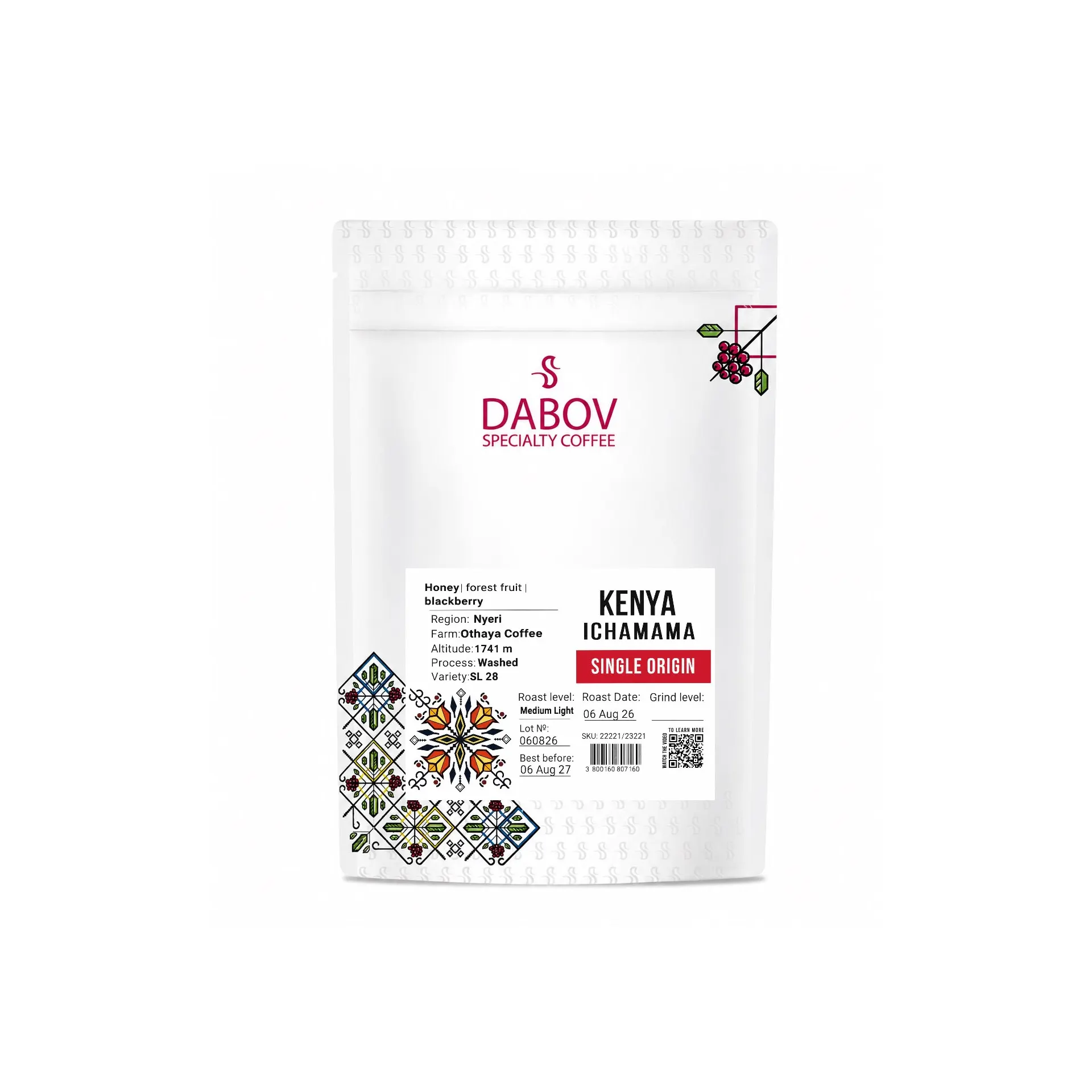
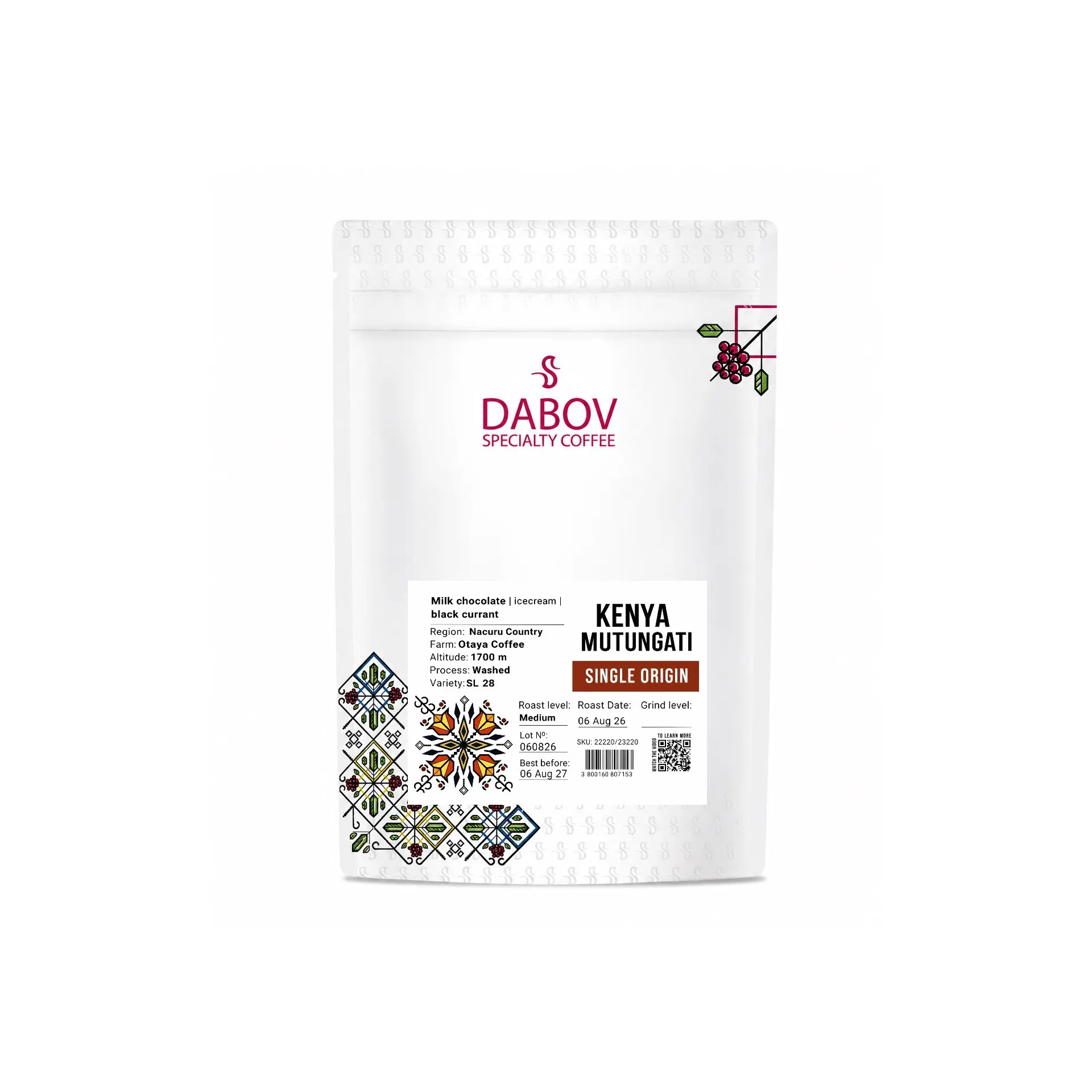
Regional comparison: Three coffees from the same processing method but different origins — for example, three washed Arabicas from Ethiopia, Colombia, and Kenya. Participants experience how terroir shapes flavor independently of processing. Ethiopian washed coffee typically shows jasmine and citrus florals; Colombian washed shows caramel and milk chocolate; Kenyan washed shows tomato-savory acidity and black currant. These distinctions are stark enough that most participants can detect them after guidance, which produces the "aha" moment that makes events memorable.
Processing method comparison: The same variety from the same farm processed three different ways — washed, honey, and natural. This isolates the processing variable completely. When participants taste the same Caturra as a clean, bright washed coffee and then as a jam-like, boozy natural, they have an immediate visceral understanding of what processing does that no amount of explanation can replicate.
Avoid selecting coffees that are too similar. A session built around three medium-roast Colombian washed coffees from adjacent farms will not produce meaningful discrimination in most participants within a two-hour event.
The sourcing logistics matter as well. Contact specialty roasters two to three weeks in advance, explain the event format, and ask for a tasting set — many roasters will provide 100–250g samples of several single-origins specifically for educational use. Request roast dates and processing information for each coffee, and plan to use the coffees within two weeks of their roast date when aromatic development is at its peak.
Step 2: Structure the Session Arc
A two-hour interactive event benefits from a clear three-phase arc:
Phase 1 – Orientation (20 min): Introduce the vocabulary participants will use. The SCA flavor wheel organizes descriptors from outer-general to inner-specific: a coffee might be broadly "fruity," more specifically "berry," and most specifically "blackcurrant." Walking participants through this hierarchy takes five minutes and immediately improves the precision of their subsequent tasting notes. Distinguish three basic quality dimensions they should track: flavor complexity (range of distinct notes), sweetness (is there a natural sugar sensation?), and finish (what lingers after swallowing, and for how long?).
Phase 2 – Cupping and Activities (70 min): Run the main cupping using modified SCA protocol. Prepare each coffee in separate cups — at least two per coffee, so each participant has their own sample. At the cupping table, silence is productive: five minutes of nose-only evaluation (dry fragrance before water, wet aroma after water), then slurping. Deliberate slurping aerates the coffee across the palate and tongue, distributing flavor compounds to different receptor zones. Non-coffee drinkers find the noise surprising; explain it before the session begins so people are not self-conscious.
Intersperse the cupping rounds with two shorter activities:
Blind identification: After participants have tasted labeled samples, replace labels and re-pour in different cup positions. Give five minutes to re-identify which cup is which origin. This is the activity with the highest retention value — being wrong, self-correcting, and then tasting again to confirm locks in the distinction permanently.
Brewing showdown: Two facilitators brew the same coffee simultaneously using two different methods — V60 and French press, or AeroPress and Chemex. Participants taste both, note the differences, and try to explain mechanically why the differences exist (immersion vs. filtration, paper vs. metal filter, etc.). This takes 20 minutes including setup and delivers more intuition about brewing physics than an equivalent amount of lecture.
Phase 3 – Synthesis (20 min): Reveal the answers from the blind identification exercise and discuss the group's detection accuracy. This is where shared vocabulary matters: if ten people used the same flavor wheel to describe the same coffees, comparison is immediate and productive. Ask whether their notes changed between Phase 1 tasting and Phase 3 re-tasting — improvement within a session is common and satisfying for participants.
Step 3: The Cupping Setup
Standard SCA cupping parameters provide a controlled environment for comparison. Use the same parameters across all samples:
| Parameter | SCA Standard | Why It Matters |
|---|---|---|
| Coffee dose | 8.25g per 150ml water | Standardized extraction ratio |
| Grind | Coarse (consistent particle size) | Prevents over-extraction in open cupping |
| Water temperature | 93°C (199°F) | Consistent extraction |
| Steep time before evaluation | 4 minutes | Allows full bloom and partial cooling |
| Cup material | Ceramic or glass | Neutral; avoids metallic interference |
Use filtered water. Tap water with heavy chlorine or mineral content suppresses delicate aromatics — this is not perfectionism, it is a measurable quality variable.
Label each cup position clearly. In a multi-sample session, position confusion is the most common cause of inaccurate tasting notes. Number cups and positions, and have participants note which cup number corresponds to which coffee in their written record.
Step 4: Pairings That Reinforce, Not Distract
Food pairings at a tasting event serve one purpose: to highlight or contrast a flavor quality in the coffee. They are not a meal.
Effective pairings:
- 70% dark chocolate with a medium-roast Colombian or Brazilian washed lot: both share cacao and dried fruit notes; each amplifies the other.
- Fresh blueberry or raspberry with a natural-processed Ethiopian coffee: the fruit in the coffee maps directly to the fresh fruit, making the connection explicit for participants who struggle with "find the blueberry."
- Mild, unsalted cracker as palate reset between coffees: absorbs residual flavor without introducing competing notes.
- Sparkling water for palate reset: carbonation physically scrubs the palate surface more effectively than still water.
Avoid flavored nuts, aged cheeses, smoked foods, or anything with assertive seasoning. Strong flavors colonize the palate for several minutes and suppress detection of coffee's more delicate notes.
Step 5: Facilitation Technique
The quality of facilitation determines whether participants leave having learned something or having merely experienced something. Two facilitation principles produce the best outcomes:
Ask before you tell. When a coffee is on the table, ask "what do you notice?" before offering any description. Whatever your participants produce — even if rudimentary — is their perceptual anchor. Correcting or refining their description is effective teaching. Replacing it with your description before they have formed one is not.
Make predictions explicit. Before the brewing showdown, ask "what do you expect the French press to taste like compared to the V60?" Before the blind identification reveal, have everyone write down their guesses. Predictions that are confirmed feel satisfying; predictions that are wrong produce the "cognitive dissonance" that drives learning. Either outcome is more productive than passive exposure.
Good facilitators also know when to let silence do the work. When a group is wrestling with describing a flavor, 30 seconds of wordless concentration produces more nuanced notes than an immediate hint. Resist the impulse to fill silence with description. The best facilitated tasting sessions have roughly equal time in talk and in focused silence.
Frequently Asked Questions
How many coffees should I serve at a tasting event?
Three to five is the practical range for a two-hour session. Fewer than three makes meaningful comparison difficult; more than five leads to palate fatigue and diminishing discrimination. Three well-selected coffees with one brewing demonstration and one blind exercise produce more learning than six coffees presented serially.
Do participants need experience with specialty coffee?
No. The activities described here are designed for mixed audiences. Beginners benefit from structured guidance and the surprise of tasting the difference between a washed and natural coffee. More experienced participants benefit from the blind identification exercises and the group discussion. The facilitation style — asking questions rather than lecturing — scales to both groups simultaneously.
What is the SCA cupping protocol and do I need to follow it exactly?
The SCA protocol is a standardized method for evaluating coffee used globally by Q Graders, roasters, and importers. For a public tasting event, you do not need to follow it exactly — but using its core parameters (dose, temperature, grind, and timing) ensures that participants experience the coffee under conditions that minimize preparation variables, which is the whole point of a comparative tasting.
How do I find specialty coffees for the event?
Contact specialty roasters directly — most will sell you small quantities (100–250g) of multiple single-origin coffees if you explain the use case. Many roasters are enthusiastic about tasting events as a channel for educating future customers. Request the processing method and harvest information for each coffee you purchase.
Conclusion
An interactive coffee tasting event works when every element is designed around a comparison, a prediction, or an exercise that produces immediate feedback. The SCA cupping protocol, blind identification games, and brewing showdowns are the practical instruments for this; thoughtful facilitation that asks before it tells is the delivery mechanism. The result — participants who leave understanding why their Ethiopian coffee tastes different from their Colombian coffee, and what their V60 is actually doing differently from their French press — is more durable than anything produced by a lecture or a passive tasting. Browse our specialty roasted coffees for single-origin lots that are ideal for this kind of comparative event.