Why Coffee and Food Belong Together
Coffee is not a neutral beverage. It carries acidity, bitterness, body, sweetness, and aromatic compounds that interact with food in predictable, learnable ways. The bitterness in a dark-roasted espresso cuts through fat and sweetness, acting as a palate cleanser between bites of a buttery croissant. The bright malic and citric acids in a washed Ethiopian wash over a rich egg yolk, lifting the richness rather than competing with it. The roasted pyrazine compounds in any well-brewed coffee echo the same chemistry in toasted bread, roasted hazelnuts, and dark chocolate — which is why these three foods appear in breakfast pairing recommendations across every coffee culture on earth.
These interactions follow the same flavor-bridge logic that sommeliers apply when pairing wine with food, and they become more intuitive the more deliberately you practice them. Understanding why certain combinations work trains your palate faster than memorizing lists. Once you can taste an acid bridge or feel a mouthfeel complementarity in action, you start improvising successful pairings without a reference table at all. The single variable to prioritize first is roast level: light roasts bring acid and delicate fruit forward; dark roasts lead with chocolate, caramel, and bitter-roasted flavors.
The Flavor Science Behind the Pairing
Three mechanisms govern coffee-food interactions and explain why some combinations feel obviously correct while others create a flat, muddled experience:
Contrast balance. Coffee bitterness and food sweetness are mutually moderating — each makes the other more noticeable. A strong, bitter ristretto beside a honey-soaked pastry creates pleasant contrast because neither overwhelms; each sharpens the other's edge. The same ristretto with lightly salted butter toast creates a different but equally valid interaction where the salt amplifies the coffee's own natural sugars.
Acid bridge. High-acid coffees share flavor chemistry with fermented dairy, stone fruit, and citrus. Pairing a Kenyan AA — notorious for blackcurrant and tomato acidity — with a goat's cheese toast reinforces the acid note through repetition, creating a more intense version of both simultaneously. This is why classic French café au lait beside a pain au chocolat works so well: the coffee's acidity and the chocolate's cocoa acidity run in harmonic parallel.
Mouthfeel complementarity. Coffee body — the perception of weight and texture in the mouth — interacts with the fat content of food. A full-bodied, naturally processed Sumatran settles into fatty foods (eggs fried in butter, hollandaise, cream cheese) because its own perceived mouthfeel approximates fat without being fat. A light, clean pour-over can feel thin alongside a very rich food, creating a textural mismatch even when the flavors technically align.
Light Roast Pairings: Bright Acid Finds Its Match
Light roasts retain more of the coffee cherry's inherent fruit and floral character. Ethiopian Yirgacheffe expressing jasmine and bergamot, or a Kenyan exhibiting blackcurrant and grapefruit peel, need breakfast foods that either echo the brightness or provide neutral contrast that allows the coffee's complexity to be the focal point.
Best pairings:
- Greek yogurt with fresh berries — Tangy yogurt mirrors the coffee's acidity; berries echo its fruit notes precisely.
- Smoked salmon on rye — The salt in the salmon amplifies any sweetness in the coffee; rye's earthiness provides neutral contrast.
- Lemon poppy seed muffin — Citrus in the muffin bridges directly to light-roast acidity without overwhelming it.
- Poached egg on sourdough toast — The egg white's protein-rich neutrality lets the coffee lead; the yolk's fat rounds off any sharp edges.
- Avocado toast with lemon and chili — Lemon acid bridges directly to the coffee; chili contrast-sharpens both components.
Foods that struggle with light roast: Heavily sweetened foods — maple syrup pancakes, jam-covered pastries — can make a bright, acidic coffee taste thin and sour by comparison. The contrast ratio tilts too far.
Medium Roast Pairings: The Versatile Middle Ground
Medium roasts occupy the most forgiving pairing range — enough developed roast character to hold up against savory flavors, enough retained fruit to complement sweetness. Colombian, Costa Rican, and Guatemalan single-origins at medium roast are natural partners for a full breakfast spread because they do not dominate or disappear.
Best pairings:
- Scrambled eggs with fresh herbs — Cream-cooked eggs provide fat-softened neutrality; herbs add a fresh bridge to any floral coffee notes in the cup.
- Banana bread with walnuts — Banana's caramel sweetness amplifies medium roast's own caramelization; walnut bitterness mirrors the coffee's finish.
- Oatmeal with almonds and honey — Oats provide a neutral, absorbent base; almonds echo nutty roast notes; honey bridges sweetness.
- Whole grain toast with almond butter — Fat and protein from the almond butter create full mouthfeel complementarity with a rounded medium roast.
- Breakfast sandwich on an English muffin — The combination's varied textures and salt content create multiple simultaneous pairing interactions.
Dark Roast and Espresso Pairings: Bold Meets Bold
Dark roasts and espresso-style coffees lead with caramelized sugars, smoky bitterness, and chocolate or dried-fruit complexity. They demand food that can match their weight or provide structural contrast through fat, salt, or fermented acidity — otherwise the coffee dominates and the food becomes invisible.
Best pairings:
- Chocolate croissant or pain au chocolat — Cocoa acidity in the chocolate resonates directly with dark roast's cocoa character.
- Full cooked breakfast (eggs, bacon, toast) — Fat, salt, and protein absorb and counter dark roast intensity in equal measure.
- Hazelnut biscotti — An Italian classic for empirical reasons; roasted hazelnut pyrazines match espresso's own roasted pyrazine notes identically.
- Banana with dark chocolate — Caramelized banana sugar mirrors dark roast caramelization; dark chocolate reinforces cocoa.
- Breakfast burrito with black beans and salsa — Earthy, smoky, spiced; a structural match for most espresso roast profiles.
Foods that underperform with dark roast: Very delicate, subtly flavored items — plain white toast, mild fresh cream cheese, sliced melon — will simply disappear next to a dark roast's intensity. Save those for lighter coffees.
Quick Pairing Reference by Roast Level
| Breakfast Food | Light Roast | Medium Roast | Dark Roast |
|---|---|---|---|
| Greek yogurt with berries | Best | Good | Avoid |
| Scrambled eggs with herbs | Good | Best | Good |
| Pancakes with maple syrup | Avoid | Good | Best |
| Avocado toast | Best | Good | Avoid |
| Chocolate pastry | Avoid | Good | Best |
| Smoked salmon bagel | Best | Good | Avoid |
| Banana bread with nuts | Good | Best | Good |
| Full cooked breakfast | Avoid | Good | Best |
| Oatmeal with almonds | Good | Best | Good |
| Lemon or citrus muffin | Best | Good | Avoid |
Rating guide: Best = strongest synergy, Good = compatible and pleasant, Avoid = likely mismatch that reduces enjoyment of both.
How Brewing Method Shifts the Pairing
The brewing method affects coffee body and acid expression, which shifts pairing logic beyond roast level alone:
Pour-over and Chemex — Clean, bright, tea-like body. Emphasizes acidity and aromatic volatiles. Best with lighter, more delicate breakfast foods where the coffee is meant to be the expressive component, not a supporting note.
French press — Full-bodied, oily, robust from retained coffee oils. More compatible with fatty, savory breakfasts. The oils create a weighty mouthfeel that complements equally substantial food textures and holds up to bold flavors.
Espresso-based drinks — Concentrated and intense (straight espresso), or milk-moderated with a sweetness bridge (cappuccino, flat white, latte). Espresso pairs with small, intense bites like biscotti or a corner of chocolate pastry; a cappuccino's steamed milk creates a broader, creamier foundation compatible with both sweet pastries and savory breakfasts.
Cold brew — Smooth, low-acid, perceived as naturally sweet. Works exceptionally well with sweet breakfast foods where hot coffee's acidity might clash — overnight oats, cereal with milk, Greek yogurt parfaits. Cold brew's natural sweetness makes it the most accommodating pairing partner of any common preparation method.
Frequently Asked Questions
Does the coffee's origin affect pairing choices as much as roast level?
Roast level is the dominant variable for most people, but origin adds meaningful nuance. A light-roasted Kenyan has sharper, wine-like acidity than a light-roasted Brazilian with more neutral, nutty character — even at the same roast level. If you know your coffee's origin, use the tasting notes on the bag as an additional guide: fruity and floral notes point toward fruit-forward breakfasts; earthy and herbal notes toward savory options.
Should I drink coffee before, during, or after breakfast?
During is generally most effective for pairing appreciation. Alternating sips and bites allows the coffee to cleanse your palate between bites while the food moderates any caffeine jitteriness. Drinking before breakfast on an empty stomach amplifies absorption and can increase anxiety in sensitive individuals; drinking strictly after reduces the interactive pairing experience considerably.
Why does some food make my coffee taste sour or metallic?
Foods high in acid — fresh orange juice, vinegar-dressed salads, pickled vegetables — can amplify existing acidity in your coffee, making it taste sharper than it would alone. Creamy or fatty foods buffer acidity most effectively. If your coffee tastes too sharp with a particular food, try pairing it with eggs, avocado, or full-fat dairy rather than acidic fresh fruit.
Can I pair specialty single-origin coffee the same way as a blend?
Single-origin coffees have more distinct, expressive profiles that respond more visibly to pairing choices. Blends are designed for balance and broader compatibility, making them more forgiving of mismatches. With single-origins, pair more deliberately — the right combination will noticeably elevate both the food and the coffee in ways that blends rarely achieve.
Conclusion
Coffee and breakfast pairing is an observational practice that improves with attention rather than memorization. The foundational framework: roast level determines the coffee's dominant character, and the food should echo that character, contrast it cleanly, or provide neutral canvas for it to perform. Light roast calls for brightness, acidity, or delicately flavored foods. Medium roast is the flexible middle ground that pairs with almost anything without collision. Dark roast and espresso demand richness, fat, or chocolate to match their structural weight.
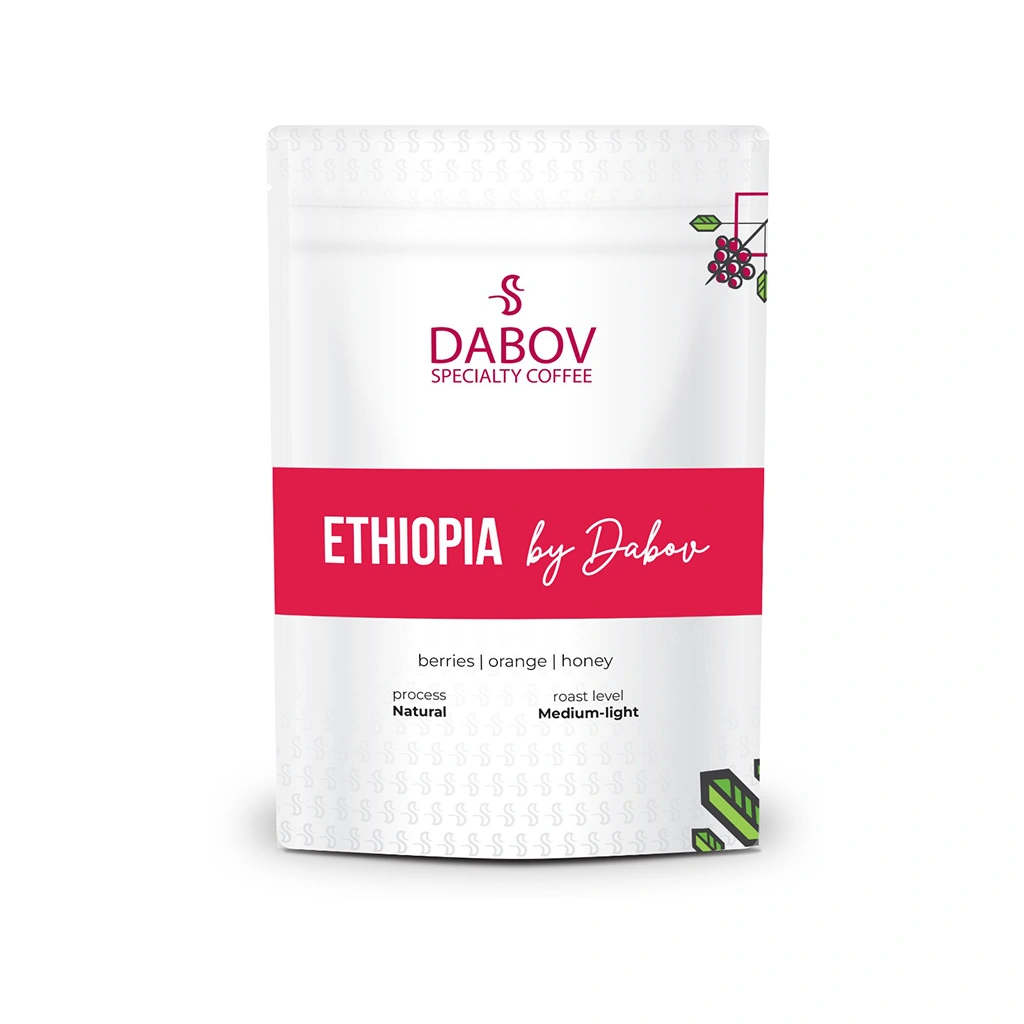
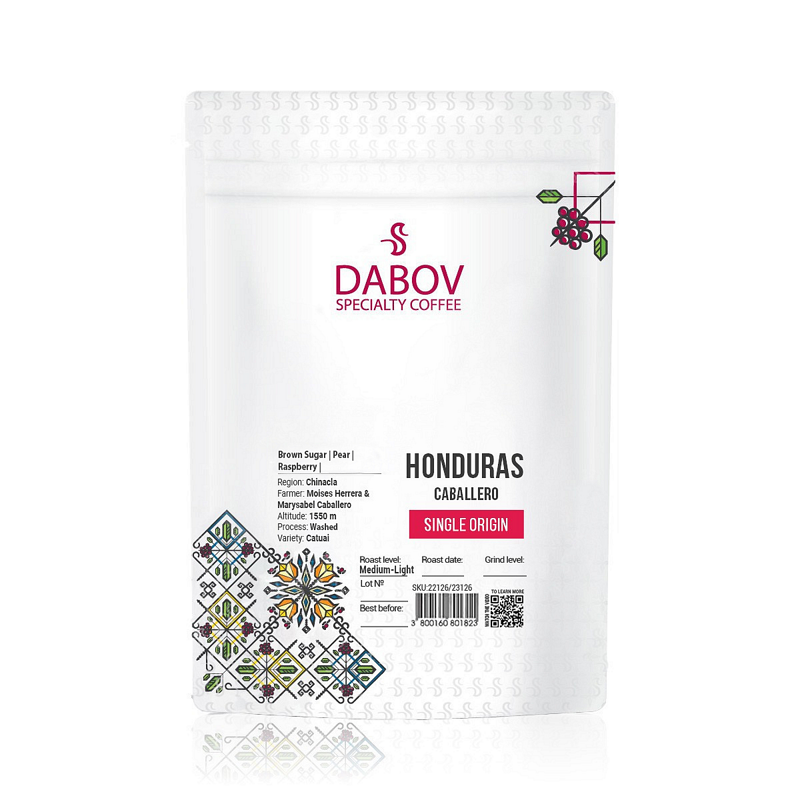
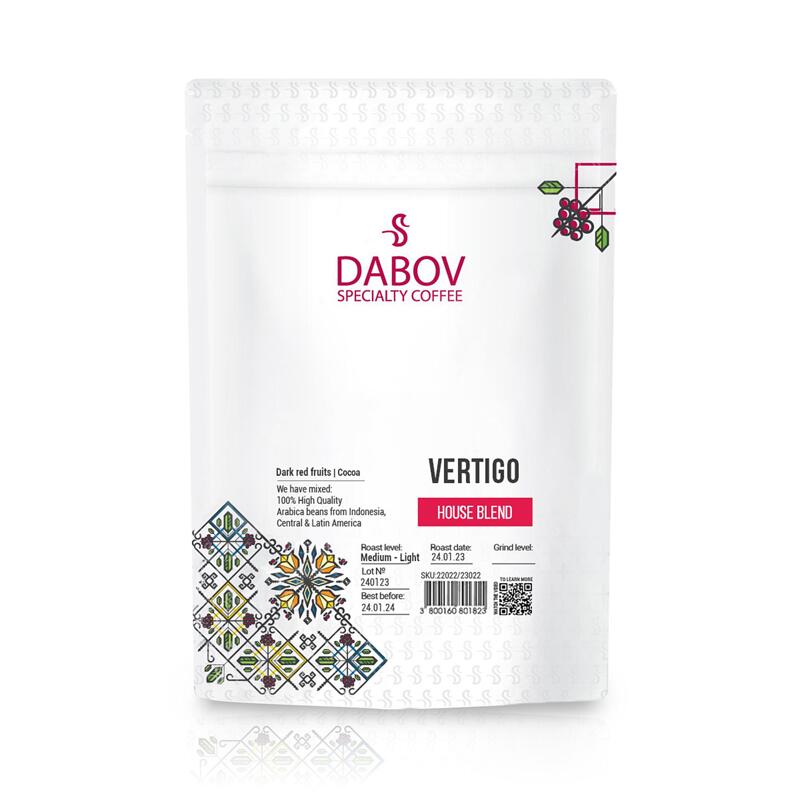
The starting point is learning to describe your coffee in three words. Once you can do that — bright and citrusy, balanced and nutty, bold and chocolatey — your instincts about what to eat with it will develop faster than any reference table can. Explore our roasted coffee selection to find single-origin lots with full tasting notes that double as a pairing guide — each bag already tells you what it wants for breakfast.