Understanding Coffee Bar Decor Philosophy
Decor transcends pure aesthetics—it signals function. A well-styled coffee bar makes the ritual visible. Visitors see not just a coffee maker but a commitment to quality: the digital scale, the hand-pour kettle, the sorted single-origins in labeled glass jars. This visibility reinforces the owner's identity and elevates coffee from fuel to experience.
Successful coffee bar decor follows two principles:
1. Materiality matters. Brass tarnishes beautifully; stainless steel shows fingerprints; wood darkens with age. Choose materials you're willing to live with as they patina. A coffee bar that looks weathered after six months says authenticity; one that looks neglected says indifference.
2. Density balances with breathing room. Overcrowding creates visual noise; sparse setups feel sterile. The goal is "curated collection," not museum or showroom. Display 5–7 beautiful mugs; store the rest. Feature one statement piece (a vintage burr grinder, a pour-over stand); keep the rest functional but humble.
Essential Decor Accessories
Wooden Serving Boards and Platforms
Wood grounds a coffee bar in warmth and organic texture. Wooden boards serve dual purposes: functional (displaying items, catching water drips) and aesthetic (visual anchor).
Walnut or teak boards age to deep, rich tones and are naturally water-resistant compared to lighter woods. A 12×18 inch board provides enough space to arrange a coffee maker, small canister, and a mug without cramping. Placing a board on the counter defines the "coffee zone" visually, signaling that this area is distinct and intentional.
Reclaimed wood platforms (old beams, repurposed furniture) add narrative—they carry visible grain and history. Reclaimed wood pairs exceptionally well with brass hardware or vintage grinders. The juxtaposition of old wood + modern espresso machine reads as sophisticated eclecticism.
Styling tip: Elevate boards slightly on wooden or brass feet (creates shadow underneath, adds visual interest and prevents a flat, heavy appearance).
Brass Hardware, Scoops, and Measuring Tools
Brass is the defining metal of contemporary specialty coffee. It's warm, visible, and ages with patina that signals use and care.
Brass coffee scoops ($15–40 for quality handmade pieces) are functional but primarily display items. A single scoop hung on the wall near your bean canisters or displayed in a small dish creates an intentional, almost apothecary aesthetic. Look for solid brass (not plated) to ensure patina develops evenly.
Brass scales (if you use a manual counterbalance scale instead of electric) become decorative sculptures—their mechanical presence is inherently beautiful. Digital scales are less photogenic; hide them in a drawer if aesthetics matter.
Brass hanging racks for mugs or beans combine storage and style. A 24-inch brass rail with 4–5 S-hooks suspended above your coffee bar holds mugs while keeping them accessible and visible. The linear simplicity contrasts nicely with organic wood or marble surfaces below.
Note: Brass requires occasional polishing to maintain shine. For patina enthusiasts, this is part of the appeal—visible wear tells a story. For those preferring brightness, use a soft cloth and brass polish monthly.
Marble Surfaces and Coasters
Marble is the luxury material in specialty coffee styling. It's cool, smooth, and photographs beautifully, but it's porous (stains easily) and requires maintenance (sealing, regular cleaning).
Marble coasters or trivets ($20–60 per set) protect wooden surfaces from hot cups while adding visual lightness. Honed (matte) marble shows watermarks less than polished (glossy). White, gray, or black marble coasters work with most decor palettes; cream or soft green add subtle color without visual weight.
Small marble platforms (8×10 inches, ~1 inch thick) can anchor a pour-over dripper or a coffee scale on a wooden countertop. The contrast between cold marble and warm wood is sophisticated and practical (marble doesn't absorb heat or water like wood).
Styling consideration: Marble's visual impact works best when not overused. One marble element per coffee bar—either coasters or a small serving platform—maintains elegance. Multiple marble pieces read as trying too hard.
Glass Canisters and Display Containers
Glass balances transparency (you see your beans at a glance, can visually gauge depletion) with aesthetic appeal. Unlike opaque plastic, glass makes storage visible and intentional.
Airtight glass jars with rubber gasket seals (often called Weck jars or similar) preserve beans while looking industrial-chic. Label them with:
- Bean origin ("Ethiopian Yirgacheffe")
- Roast date ("Apr 15")
- Roast level ("Medium")
Use a fine-tip permanent marker or small printed labels. The written information becomes part of the visual story.
Apothecary-style clear jars with cork or wood lids are ideal for smaller quantities (sample sizes from local roasters). Arrange them by color intensity or origin to create a visual gradient—this looks intentional rather than random.
Glass scoops or spoons for measuring beans. Unlike ceramic or wood, glass is transparent, so you see the exact bean volume. They also don't absorb coffee oils, so they stay cleaner longer.
Styling principle: Arrange jars by frequency of use: daily-use beans in the largest, most accessible jar; specialty single-origins in smaller jars further back. This creates visual hierarchy (bigger jars anchor the foreground) and practical access.
Ceramic and Handmade Mugs
Mugs are the visible face of your coffee bar. Choose 5–7 favorites and display them; store the rest.
Handthrown ceramic (visit local pottery studios or online makers like Etsy) adds authenticity. Slight asymmetry, raw clay bottoms, and subtle glaze variations say "made by human hands," not factory production. These mugs age beautifully—crazing (fine cracks in glaze) actually enhances character.
Monochromatic palette (all white, all gray, all natural clay tones) looks intentional and high-design. Mixing too many colors reads as eclectic; monochromatic reads as curated.
Oversized mugs (14–16 oz) are trending and practical for milk-based drinks. Their generous proportions command attention on a shelf.
Styling arrangement: Hang mugs from a brass rail or stack them in a small pyramid on open shelving. Stacking 2–3 mugs creates visual interest and suggests abundance without clutter.
Vintage Grinder Displays
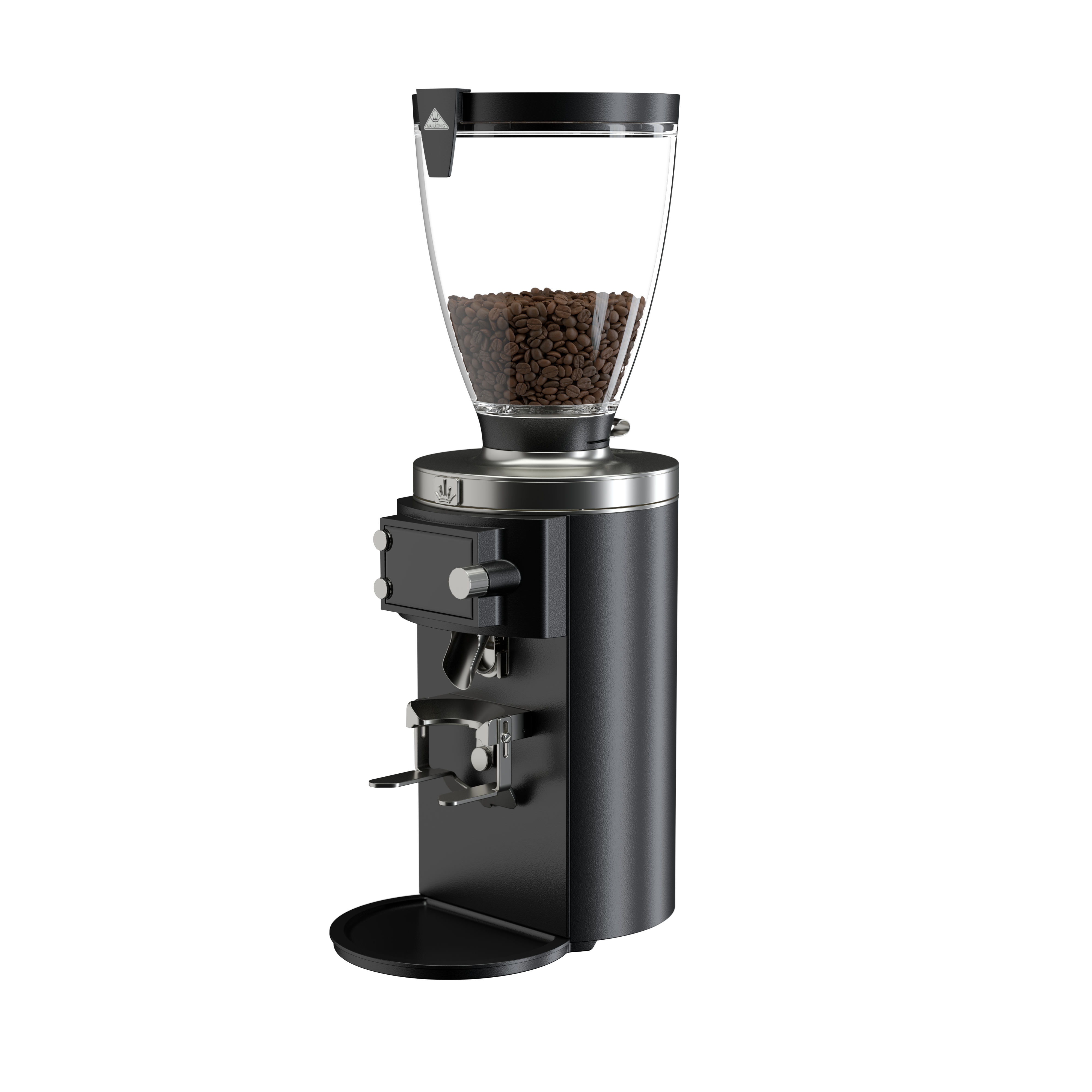
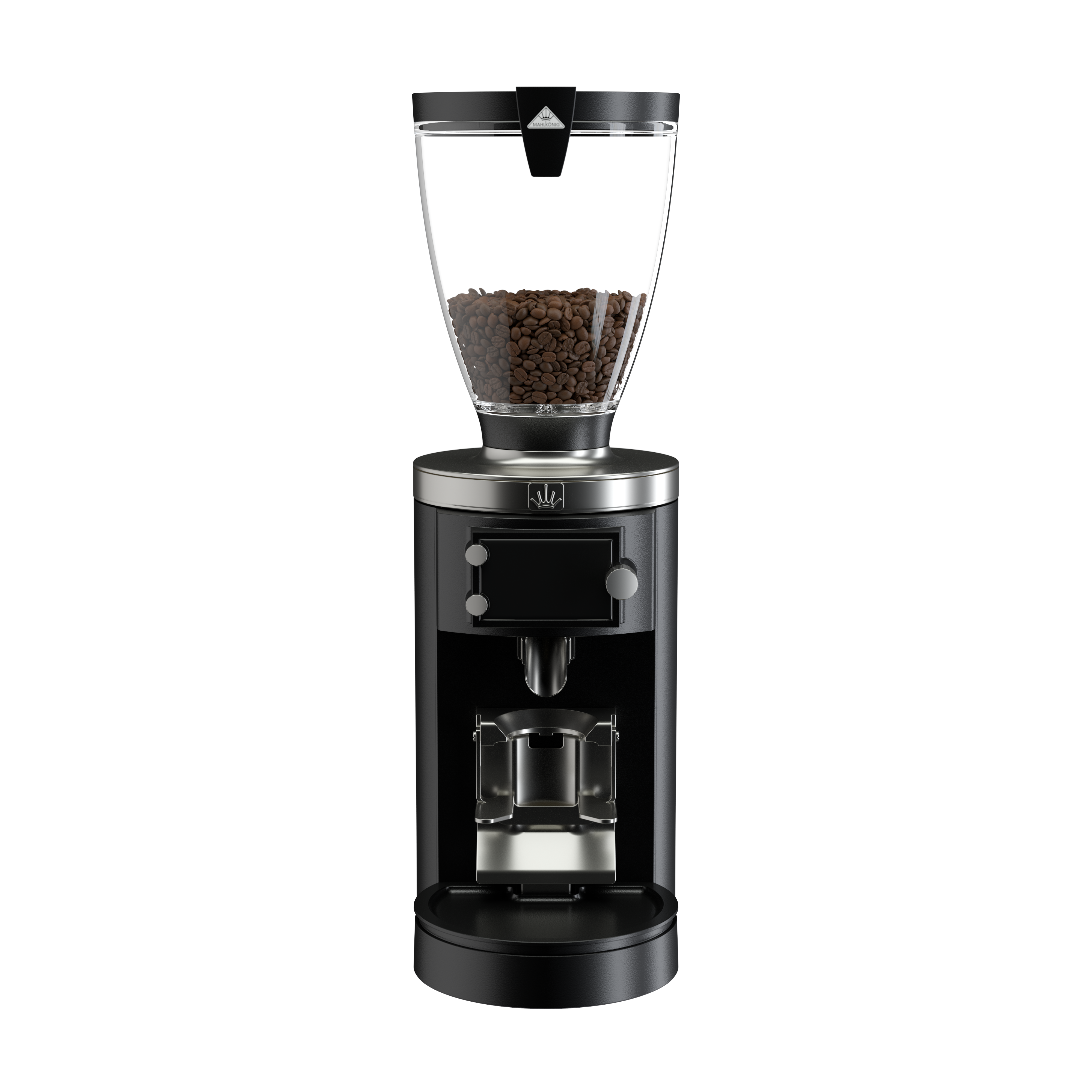
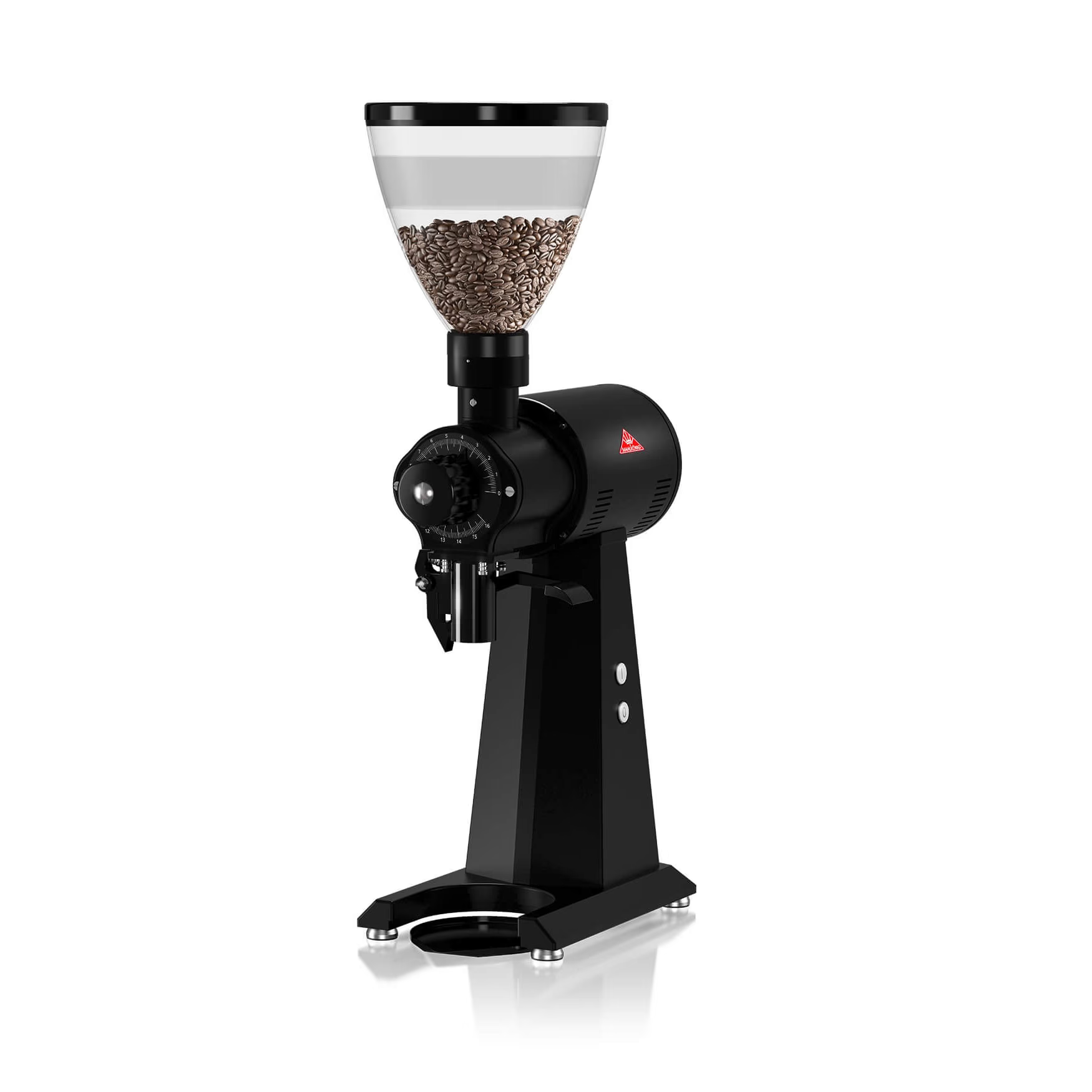
Vintage burr grinders are functional sculptures. If you're not using them (having upgraded to electric), display them as art.
Cast-iron hand grinders (early 1900s–1950s models) are beautiful, sturdy, and still effective for manual grinding (though slow). Sourcing from antique shops or online marketplaces ($30–100 depending on condition) yields unique pieces that no new grinder can match. The patina, the wood handle, the visible mechanism—these tell stories.
Styling placement: Position a vintage grinder as a focal point, slightly elevated on a small shelf or pedestal. Pair it with a small bowl of whole beans nearby, as if the setup is functional (even if it's primarily decorative). This invites conversation: "Is that actually functional?" Yes, and that's the point.
Chalkboard Menus and Wall Signage
A small chalkboard or letterboard above your coffee bar serves multiple purposes: it's functional (track roast dates, list available beans) and decorative (intentional written language adds personality).
Style examples:
- "Today's roast: Colombian Huila, 4/15"
- "Pull temperature: 200°F"
- "Monday: French press. Wednesday: Pour-over."
- A coffee quote: "Life happens. Coffee helps."
Rotating messages seasonally (winter spices, summer cold brew highlights) keeps the space feeling alive.
Styling tip: Use chalk markers or paint markers in white or metallic colors on a dark chalkboard. Handwriting adds warmth; type it if your handwriting looks rushed.
Natural Elements: Plants and Potted Herbs
Green softens hard materials (metal, glass, stone) and introduces life into a potentially cold aesthetic.
Potted herbs (mint, basil, rosemary) are the best choice—they're beautiful and functional (use the leaves to flavor coffee drinks or teas). Small pots (4-inch) are sufficient and don't overcrowd the bar.
Trailing ivy or pothos (low-maintenance houseplants) hung above shelving soften the visual landscape without competing for counter space.
Styling principle: Limit to 1–2 plants. Multiple plants risk transforming the space into a conservatory, diluting the coffee bar's identity.
Color and Material Palettes
Warm Neutrals + Brass
Palette: Natural wood (walnut or oak), white or cream ceramics, brass hardware, marble (cream or gray), touches of dark green or terracotta.
Mood: Warm, sophisticated, earthy. This is the most popular contemporary specialty coffee aesthetic.
Maintenance: Low. Natural materials age visibly but beautifully. Brass patinas; wood darkens; ceramics crazes slightly. All are features, not flaws.
Industrial: Stainless Steel + Dark Wood
Palette: Reclaimed or dark-stained wood, stainless steel (espresso machine, scale, shelving), black or charcoal ceramics, concrete or slate accents.
Mood: Modern, bold, slightly austere. For loft-style spaces or minimalist aesthetics.
Maintenance: Moderate. Stainless steel shows fingerprints (requires frequent wiping); dark wood hides spills but emphasizes dust.
Scandinavian: White + Natural Wood + Copper
Palette: White or pale gray walls, light ash or birch wood, copper accents (different visual warmth from brass), white ceramics, touches of soft pastels (pale pink, pale blue).
Mood: Clean, airy, calm. Suits small spaces or minimalist kitchens.
Maintenance: Very high. White shows every dust particle and coffee spill. Requires frequent cleaning to maintain the "clean" aesthetic.
Eclectic: Mixed Metals + Patterned Tiles
Palette: Brass + copper + stainless steel (mixed); patterned tile backsplash; colorful handthrown ceramics; vintage + new juxtaposition.
Mood: Personal, playful, creative. For confident decorators unafraid of pattern.
Maintenance: High. Multiple materials require different care. Pattern can feel chaotic if not balanced by restraint elsewhere.
Decor Pitfalls to Avoid
Overcrowding: More accessories ≠ better. If you can't name the purpose of each item, it's clutter.
Trend-chasing: Decor trends (neon signs, "Live, Laugh, Coffee" plaques) date quickly. Choose pieces you'll still like in five years.
Plastic or cheap materials: A plastic scoop next to a beautiful wooden board reads as indifference. Commit to quality even in small details.
Misaligned visual weight: Placing a large, dark espresso machine against a small, light side table creates visual instability. Balance scale and color.
Inaccessibility: Beautiful but hard-to-reach mugs defeat the purpose. Decor should enhance, not hinder, daily use.
Styling a Small Coffee Bar
Small spaces demand restraint and discipline. Focus on a single material anchor (reclaimed wood or marble) and 2–3 accent metals (brass, copper, stainless). Limit to 4 displayed mugs; stack glasses in an open shelf. Use vertical space: hanging racks for mugs, wall-mounted shelves for jars, pegboards for tools. A single statement piece (vintage grinder, artisanal pour-over dripper) becomes the focal point. Everything else is functional but minimal.
Frequently Asked Questions
How do I clean tarnished brass without damaging patina?
Use a soft cloth and brass polish sparingly. Rub in circular motions; buff with a clean cloth. If you prefer natural patina, do nothing—it's beautiful as is. Patina actually protects brass from further oxidation.
Can I use real marble if I drink hot coffee daily?
Yes, with caveats. Use coasters under hot mugs, wipe spills immediately, and seal new marble yearly. Honed marble is more forgiving (disguises water spots) than polished. If staining worries you, use faux marble (quartz composite) instead—same look, zero maintenance.
How often should I replace displayed beans?
Beans peak in flavor 1–2 weeks post-roast, then gradually decline. Displayed beans age faster due to light exposure. Rotate displayed beans every 7–10 days; store extras in an airtight container in a dark cabinet.
Are vintage grinders sanitary to use?
Yes, if cleaned. Soak the removable parts (hopper, base) in hot soapy water; brush the burrs gently. Vintage grinders were made to last—they're robust machines. The same care you'd give a new grinder applies here.
Should I use real plants or artificial?
Real plants are superior aesthetically and provide actual freshness (improves air quality). They do require water and sunlight. If you'll neglect them, use high-quality artificial—cheap plastic plants look worse than no plants.
Conclusion
A beautifully styled coffee bar isn't about luxury brand-names or Instagram perfection—it's about intentionality. Each piece should earn its place through function or genuine aesthetic contribution. Wooden boards warm the space; brass gains character through use; marble adds elegance; handmade ceramics signal care. When these elements work in harmony, the coffee bar becomes a sanctuary within your home—a space that says, "This matters to me." The best decor is the kind you don't consciously notice but feel: a subtle, sustained pleasure that makes the daily coffee ritual feel less like routine and more like ritual.