Understanding Your Equipment Investment
For experienced brewers, every piece of equipment serves a specific function: isolating variables, enabling repeatability, and opening pathways for experimentation. A precision scale is not just for weighing; it's for understanding the relationship between dose, yield, and extraction time. A flow-control dripper is not convenience; it's feedback on water dynamics and bed resistance. A programmable espresso machine isn't for automation; it's for crafting custom pressure profiles that unlock specific flavor dimensions.
Quality equipment is also about signal-to-noise ratio. A mediocre grinder produces inconsistent particle sizes, obscuring the true relationship between grind and extraction. A scale that wavers by ±0.3g introduces ambiguity into dose-yield ratios. Once you eliminate these noise sources, you can hear the signal—the subtle changes in flavor that result from a 0.5-gram dose adjustment or a 1°F temperature shift.
Pour-Over Excellence: Kalita Wave and April Dripper
Kalita Wave: The Flat-Bottom Precision Dripper
The Kalita Wave, a Japanese pour-over device, has become the standard for serious home brewers and many third-wave cafés. Its distinguishing feature: a flat bottom with three small extraction holes instead of a single cone-shaped hole.
This design has profound implications:
Consistent Bed Depth: The flat bottom ensures uniform coffee bed depth throughout the brewing vessel, creating even saturation and extraction. Cone-shaped drippers suffer from high spots and low spots as water flows preferentially through channels.
Slower, More Controlled Drainage: The three small holes restrict flow, slowing drawdown and increasing contact time between water and grounds. This allows for fuller extraction of desirable compounds while reducing the risk of over-extraction from prolonged immersion.
Teachable Pouring Dynamics: The Kalita Wave responds sensitively to pouring technique. Too fast, and the bed becomes oversaturated; too slow, and you risk under-extraction. This sensitivity transforms pouring into an active skill that improves with practice.
Forgiving Without Sacrificing Quality: While the Kalita Wave is more forgiving than the Hario V60 (which punishes slight technique variations with dramatic flavor swings), it still rewards precision. Most experienced brewers find this balance ideal: demanding enough to be instructive, forgiving enough to be reproducible.
Brewing ratios typically range from 1:15 to 1:17 (coffee to water). A standard recipe: 30g coffee, 500g water, 195°F (90°C), bloom 30 seconds, pour in concentric circles over 2.5–3 minutes, aiming for a total brew time of 3–3.5 minutes.
April Dripper: The Transparent Brewer
The April Dripper, a newer entry to the pour-over field, offers full transparency—a glass or acrylic vessel that allows you to observe water dynamics, bed movement, and extraction in real time. This visibility is not mere aesthetics; it's functional feedback.
Experienced brewers use April's transparency to:
Observe Channeling: If water races through the center while the sides dry out, you're witnessing channeling—a major cause of inconsistent extraction. The April's design makes this immediately visible, allowing you to adjust grind or pouring technique.
Monitor Bed Expansion: As CO2 escapes from the grounds during the bloom phase, the bed swells visibly. Over-agitation or insufficient bloom time becomes obvious.
Track Drawdown: You can see when the bed breaks (the collapse of grounds as water drains), signaling the moment to stop pouring or adjust flow rate.
Assess Coffee Quality: Directly observable bloom and extraction patterns provide clues about bean freshness, roast evenness, and grind consistency.
The April Dripper's transparency makes it an outstanding tool for learning and experimentation. Once you understand water dynamics visually, you can translate that knowledge to less transparent devices.
Precision Measurement: Scales and Flow Tracking
The Acaia Lunar Scale
The Acaia Lunar is not simply a scale; it's a precision instrument that integrates weighing, timing, and now, flow-rate measurement via an Orbit accessory. For experienced brewers, the Lunar represents the state-of-the-art in quantifying the brewing process.
Specifications:
- Accuracy to 0.1g
- Real-time flow-rate tracking (grams per second)
- Bluetooth connectivity for logging and recipe sharing
- Integrated timer
- Heat-resistant platform for use with espresso machines
Flow-Rate Feedback: The Orbit accessory transforms the Lunar into a flow-rate monitor. Watching grams-per-second change in real time reveals how grind size, bed depth, and tamping pressure affect extraction dynamics. A typical pour-over might target a flow rate of 2–3 grams per second; espresso extractions often begin at 4–6 grams per second, slowing as pressure develops and bed resistance increases.
Recipe Logging: By connecting the Lunar to the Acaia app (via Bluetooth), you create a detailed record of every brew: dose, yield, time, flow rate, notes. Over weeks and months, patterns emerge. You discover, for instance, that a specific grind setting paired with 195°F water yields the sweetest Yirgacheffe shots, or that your favorite pour-over coffee benefits from a slower pour rate during the middle phase.
For experienced brewers, this data transforms intuition into knowledge. The Acaia Lunar is an investment, but it's an investment in understanding your own brewing habits and preferences at a granular level.
Alternative Precision Scales
Hario V60 Scale: A simpler, more affordable option offering 0.1g precision and a built-in timer. Excellent for pour-over brewing, though it lacks flow-rate functionality.
Timemore Chestnut: A compact, affordable scale with 0.1g precision and water resistance. Popular with traveling coffee enthusiasts.
Fellow Opus Scale: A mid-range option with a larger platform, better ergonomics, and a built-in timer. Solid for home use without the premium of the Acaia.
Grinders: The Foundation of Consistency
No amount of precision in other equipment compensates for a poor grinder. Experienced brewers prioritize grinder quality above almost all other variables.
Burr Types and Performance
Flat Burrs: Two horizontal rotating discs with abrasive surfaces. Flat burrs produce uniform particle sizes and operate at lower speeds, minimizing heat generation. They excel in espresso grinding and are favored for high-precision applications.
Conical Burrs: A cone-shaped rotating burr within a fixed ring burr. Conical grinders are slightly more forgiving of inconsistent tamping pressure and operate quietly. They're popular for pour-over grinding.
Both types can produce exceptional results when well-designed and properly maintained. The distinction matters less than the quality of the burr construction and the overall grinding mechanism.
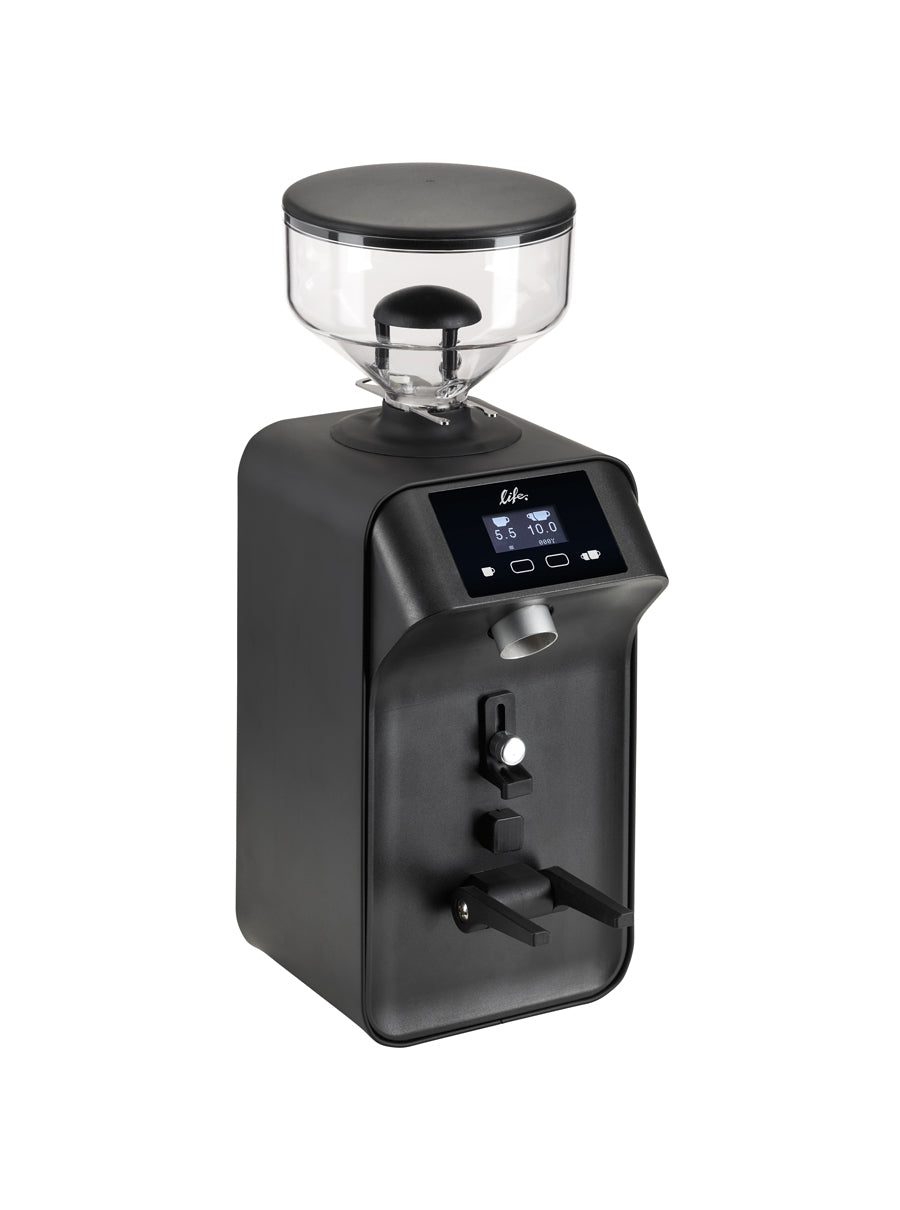
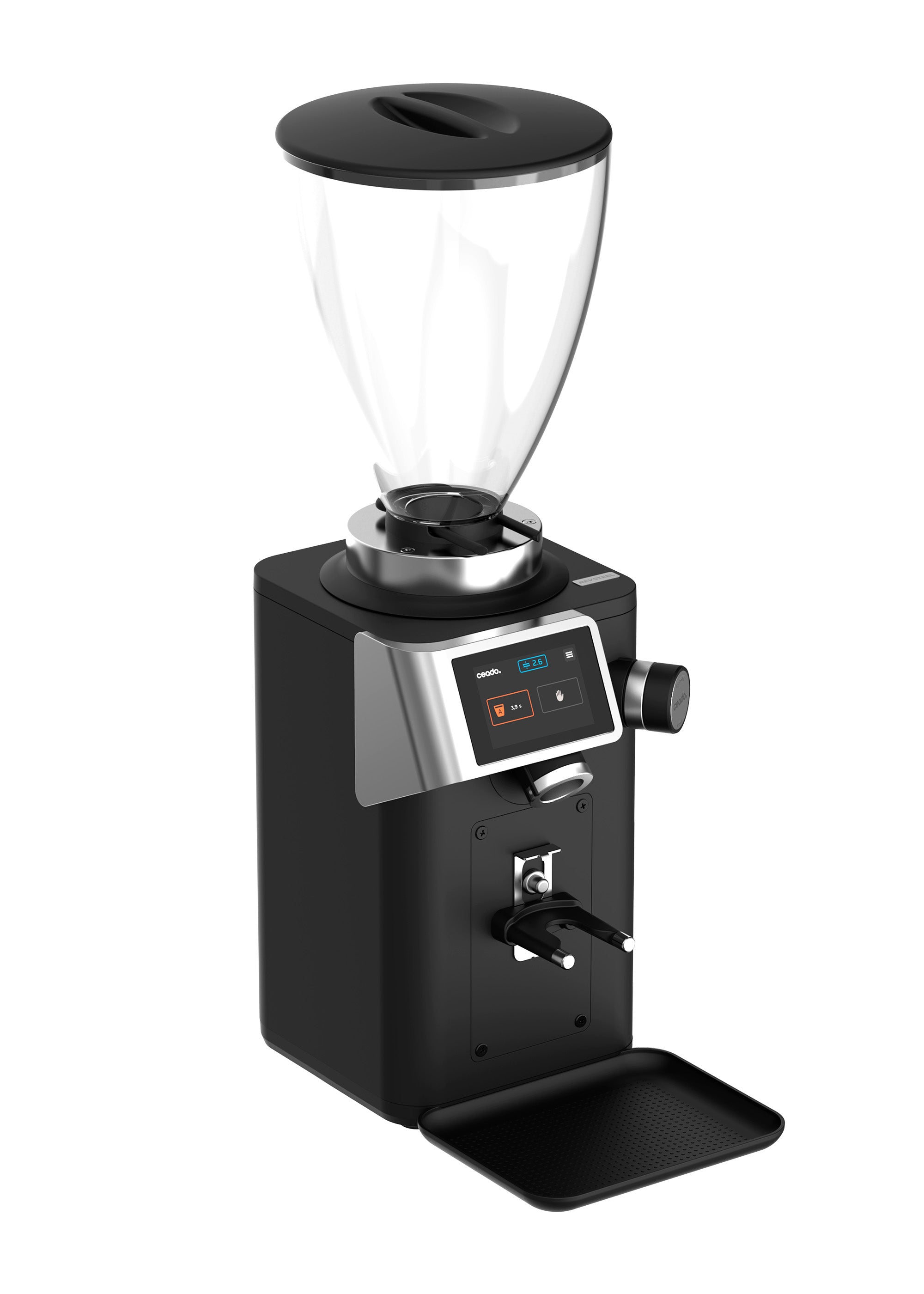
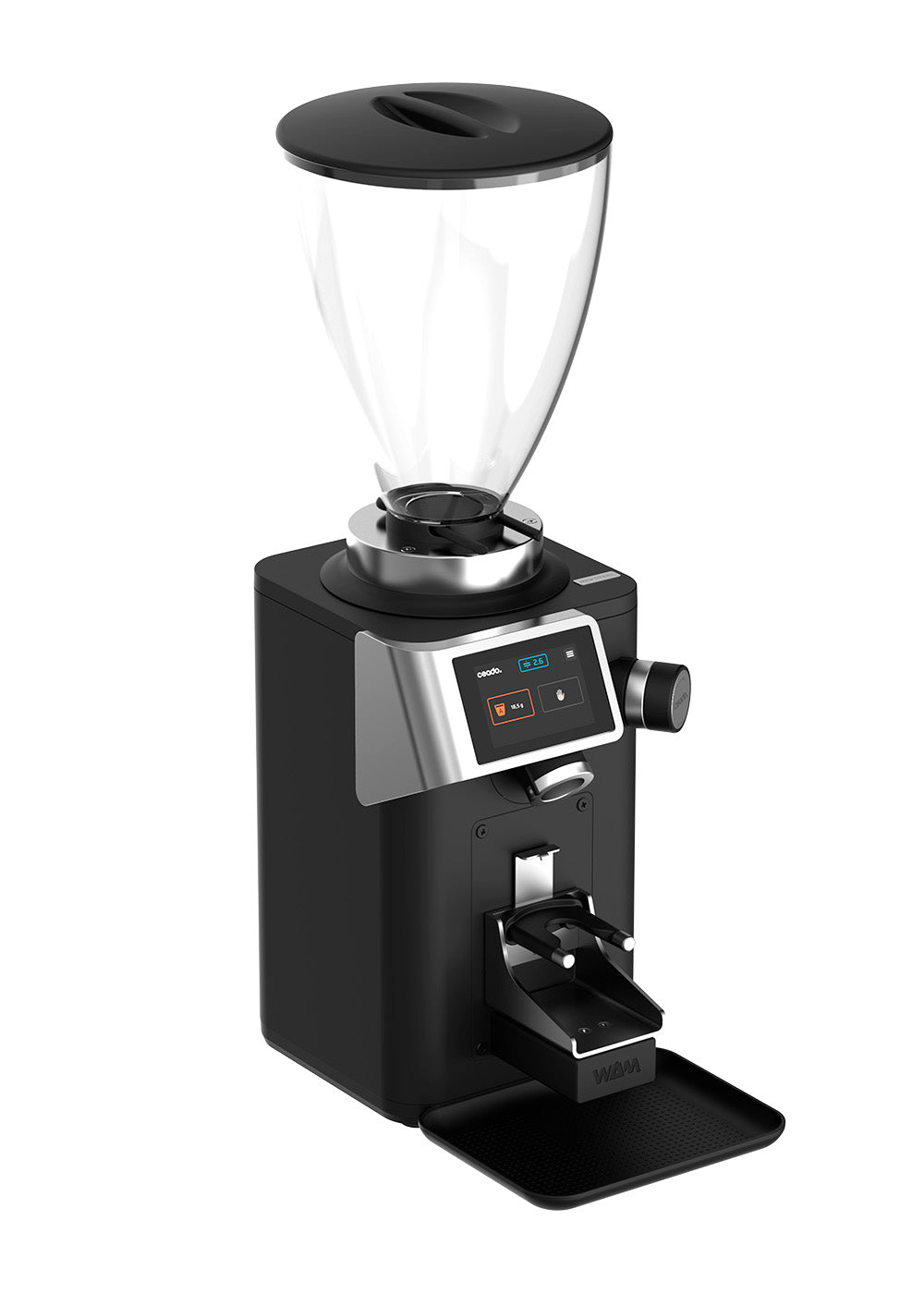
Hero Grinders
Fellow Ode: Designed specifically for filter coffee, the Ode features optimized burr geometry for medium-coarse grinds and exceptional consistency in the pour-over range.
Baratza Virtuoso+: An entry-level burr grinder with acceptable consistency, low price, and reliability. Ideal for beginners; experienced brewers typically upgrade quickly.
Nanotech Nanogrinder: A premium conical burr grinder with stepless adjustment, low retention, and exceptional build quality.
Eureka Mignon Notte: A compact flat-burr espresso grinder with 0.2g step adjustment, minimal retention, and durability.
Critical Features
Stepless or Ultra-Fine Adjustment: Enables micro-adjustments between preset levels, essential for dialing in espresso or optimizing pour-over extractions.
Low Retention: Minimizes ground coffee left in the grinder between uses, ensuring freshness and enabling easy transitions between different coffees.
Consistent Burr Spacing: Over time, burrs can drift. Quality grinders maintain tight spacing tolerances, ensuring that each grind setting produces the same particle distribution day after day.
Heat Management: Burrs rotating at high speeds generate heat, potentially degrading coffee aromatics. Look for grinders that operate at lower RPMs (rotations per minute) or incorporate cooling mechanisms.
Temperature Control: The Acaia Liner
For espresso enthusiasts, temperature stability is critical. Espresso machines with PID (Proportional-Integral-Derivative) controllers maintain water temperature to within ±0.5°C, enabling consistency across dozens of shots.
The Acaia Liner, an integrated PID controller for espresso machines, brings this precision to machines that lack it natively. By monitoring boiler temperature and making micro-adjustments to heat input, the Liner ensures that back-to-back shots experience identical thermal conditions.
For pour-over brewing, a temperature-controlled kettle (like those from Fellow or Hario) allows you to pre-set your brewing water temperature with precision. This eliminates variables: you know your water will be exactly 200°F (93°C) when it hits the grounds, regardless of how long it's been since boiling.
Home Roasting: The Gene Cafe CBR-101A
Experienced coffee enthusiasts often take control of their supply chain upstream, roasting green coffee at home. The Gene Cafe CBR-101A is the gold-standard home roaster, trusted by serious home roasters and some professional cupping centers.
Why the Gene Cafe?
Transparent Drum: You can observe the roasting process in real time, watching color development and timing the crucial First Crack moment with precision.
Consistent Air Flow: A blower-driven design ensures even heat distribution, reducing the risk of scorching or uneven roasts.
Digital Timer: Precise timing enables repeatability. You can roast an identical profile day after day, isolating the impact of green bean characteristics on final flavor.
Batch Size: 110g batches are ideal for experimentation—large enough to brew multiple cups for evaluation, small enough to afford frequent experimentation.
The Roasting Workflow
- Charge green coffee into the heated drum.
- Monitor color change through the transparent drum. Expect the bean to transition from green to gray to pale yellow over 8–12 minutes.
- Time First Crack, the moment when internal steam pressure causes beans to split slightly, producing an audible crack. Most roasters drop beans 30–90 seconds after First Crack for filter coffee, or up to 2 minutes for espresso.
- Cool immediately in a colander or cooling tray, agitating to stop the roasting process.
- Rest for 12–24 hours before grinding, allowing CO2 to stabilize.
- Brew and evaluate, noting the relationship between roast development time and final cup characteristics.
Over weeks and months, you develop intuition about how roast level influences flavor. A shorter roast (dropped closer to First Crack) preserves origin acidity and brightness; a longer roast develops chocolate, body, and sweetness. This knowledge transforms how you approach brewing different coffees.
Water Quality: The Hidden Variable
Experienced brewers recognize that water quality is as important as bean quality. Mineral content, pH, and hardness all influence extraction and flavor.
Testing and Adjustment
Use a water testing kit to measure total dissolved solids (TDS), hardness (calcium and magnesium concentration), and pH. Ideal brewing water has a TDS of 150–250 mg/L, with a balance of calcium and magnesium.
Many home brewers use a reverse osmosis filter to start with purified water, then add minerals back using specialty water packets (like those from Third Wave Water) calibrated for different brewing methods.
The Impact
Mineral-rich water extracts more readily, increasing the risk of bitter, over-extracted coffee. Mineral-poor water under-extracts, yielding weak, sour cups. By dialing in water composition, you can optimize extraction for specific coffees and brewing methods.
Conclusion: Precision as a Path to Mastery
For experienced brewers, equipment investment is not about accumulating gadgets but about systematically removing variables and understanding the remaining ones. A Kalita Wave demands precision pouring; an Acaia Lunar scale quantifies the results; a quality grinder ensures particle consistency; a PID controller stabilizes temperature. Together, these tools transform coffee brewing from an intuitive art into an art informed by precision, data, and reproducibility.
The journey from competent brewer to master is measured in equipment upgrades, data accumulated through logging, and the accumulated knowledge of thousands of brewing experiments. Every tool in this guide accelerates that journey, enabling you to ask better questions, isolate variables more effectively, and refine your technique toward your personal definition of the perfect cup.
Explore our equipment selection to discover the tools that will elevate your brewing practice.
Frequently Asked Questions
Should I upgrade my grinder or my brewing device first?
Grinder, without hesitation. A poor grinder produces inconsistent particles that obscure the true flavor potential of your beans. A brilliant bean grinder paired with a simple pour-over will outperform an excellent dripper paired with a mediocre grinder every time.
Is the Acaia Lunar worth the investment?
For serious home brewers who log data, experiment frequently, and value precision, yes. The flow-rate feedback and recipe logging capabilities provide insights that transform your understanding of extraction dynamics. For casual brewers, a simpler, more affordable scale suffices.
Can I achieve excellent coffee without spending thousands on equipment?
Absolutely. You need three things: a quality burr grinder, a precise scale, and a simple brewing device (Kalita Wave, V60, or French press). This foundation costs $150–300 and enables world-class coffee. Everything beyond that is optimization, not necessity.
What's the learning curve for the Gene Cafe home roaster?
Expect 3–5 roasts to understand the color progression and timing. Your first roasts may be inconsistent, but by the tenth roast, you'll achieve repeatable results. The transparency of the Gene Cafe accelerates learning compared to more opaque roasters.
How often should I replace burrs on my grinder?
Quality burrs last 500+ hours of grinding—roughly 2–3 years of regular use. You'll notice performance degradation before total failure: inconsistent grind sizes, increased heat generation, or grinding that sounds strained. Plan on a burr replacement every 2–3 years for heavy users.