

What Makes a Region "Emerging" in Coffee?
The term "emerging coffee region" is less about geography and more about trajectory. Countries like Vietnam and Indonesia are large producers but are newly influential in the specialty tier. Regions like Yunnan in China, Myanmar's Shan State, the Peruvian Amazon, and Thailand's Doi Chang district are entering specialty markets with real commercial momentum — not as curiosities, but as sources that serious roasters now actively seek and plan sourcing trips around.
What unites these regions is a combination of high-altitude terroir, receptivity to new techniques, and increasingly direct access to international market networks. The Cup of Excellence program, World Coffee Research's cultivar distribution, and direct-trade roaster relationships have collectively shortened the gap between "promising origin" and "commercially recognized specialty region" from decades to under a decade. Innovation is what drives that compression.
The practical quality threshold matters. For a region to be taken seriously by specialty buyers, its coffees need to score 80+ on the SCA 100-point scale consistently, not just occasionally. Single exceptional lots attract attention; consistently reproducible quality builds buying programs and multiyear contracts. Innovation — in genetics, processing, and farming precision — is how consistency follows initial quality.
Genetic Research: Cultivars That Define a Region's Future
No single innovation matters more for an emerging coffee region than access to superior genetics. Coffee plants take 3–5 years from transplanting to first commercial harvest — planting decisions made today shape supply for a decade. The cultivar choices emerging regions make now will define their market position through the 2030s.
Cenicafé 1, developed by Colombia's Coffee Research Centre (Cenicafé), offers near-complete resistance to coffee leaf rust (Hemileia vastatrix) while scoring consistently above 83 on the SCA scale — a combination previously considered agronomically impossible. Genomic selection methods shortened the Cenicafé breeding timeline from 25 years to under 10, making the program a template that breeding institutions in Peru, Ethiopia, and India are now adapting to their own contexts.
Centroamericano (H3), developed jointly by CIAT and research partners across Central America, combines resistance to both coffee leaf rust and the root-attacking nematode Pratylenchus with cup scores regularly above 80. It is now planted in Honduras, Guatemala, and Costa Rica, including in regions that were previously marginal for specialty production because disease pressure made consistent quality impossible.
Geisha (properly "Gesha"), originating from Ethiopia's Kaffa region, became the global marker of ultra-premium positioning after Panama's Hacienda La Esmeralda isolated and cultivated it at high altitude, achieving 90+ cupping scores at the 2004 Best of Panama competition and redefining what coffee buyers would pay for. The auction price trajectory — from a few dollars per pound in 2003 to over $1,000 per pound for exceptional lots in 2021 — has induced producers in Colombia, Costa Rica, Thailand, and Yunnan to plant Geisha as their entry point into the premium tier. Where terroir and altitude support it, Geisha is the most powerful available signal to specialty buyers that a region is serious.
Marsellesa, released by CIRAD and now widely planted in Nicaragua and parts of Colombia, combines the yield and disease resistance of Catimor lineage with a cup quality that approaches Bourbon-group coffees. It has helped stabilize production in areas recovering from leaf rust epidemics.
Processing Innovation: The Fastest Route to Market Differentiation
For an emerging region with promising terroir but no established reputation, processing innovation offers the fastest credible route to specialty premiums. A distinctive flavor profile in the cup attracts buyers' attention before origin reputation is built, compressing the timeline from "unknown" to "sought-after."
Anaerobic fermentation has been the most transformative processing development of the past decade. By fermenting whole coffee cherries in sealed, oxygen-depleted tanks, producers generate controlled levels of lactic acid and specific volatile esters that create intense tropical-fruit, wine-like, or savory complexity. Thailand's Doi Chaang estate was among the early Southeast Asian adopters; their anaerobic naturals have sold for 50–100% premiums over their conventionally processed lots at comparable cup score levels. Costa Rica's West Valley region reported premiums of up to 50% for early anaerobic lots, which attracted capital into the method's infrastructure.
Carbonic maceration, borrowed from wine production, ferments intact whole cherries in CO₂-saturated environments, creating coffees with distinctive soft-fruited brightness and low bitterness. The technique has found strong resonance with third-wave buyers in Japan and Scandinavia who prize clean, fruit-forward profiles without heavy fermentation overtones.
Controlled fermentation with specific yeast strains represents the frontier. Research institutions in Colombia and Brazil are identifying yeast strains that promote the formation of specific flavor compounds — isoamyl acetate for banana/fruit ester character, for example — and are beginning to offer inoculated yeast products to cooperatives. In Nariño, Colombia, controlled yeast fermentation experiments have resulted in coffees scoring 5 points higher on cupping evaluations than the same farm's standard fermentation.
Honey processing — leaving varying levels of mucilage (the sticky fruit layer) on the parchment during drying — has become an important intermediate tool for emerging regions. The spectrum from White Honey (minimal mucilage, close to washed) through Yellow, Red, and Black Honey (progressively more mucilage, longer drying) gives producers fine-grained control over body and sweetness without requiring the water infrastructure of full washed processing.
Technology Adoption: Precision Tools at the Farm Gate
Precision agriculture was once available only to well-capitalized operations. The combination of affordable IoT sensors, satellite deforestation monitoring, and smartphone-based advisory apps has democratized much of this capability for smallholder cooperatives.
| Technology | Primary Use | Documented Regional Impact |
|---|---|---|
| IoT soil sensors + smart irrigation | Optimize water timing and volume | 25–40% water reduction; 10–15% yield gain in Sidama, Ethiopia |
| Drone multispectral imaging | Early pest and disease detection | 20% reduction in crop loss from coffee berry borer in Vietnam's Central Highlands |
| Mobile apps (Coffee Cloud, CIAT) | Pest ID, weather alerts, market prices | 15,000+ farmers across Central America using platform |
| Near-infrared spectroscopy (NIRS) | Rapid moisture and defect grading | 35% improvement in export-grade consistency in Rwanda cooperatives |
| Blockchain traceability | Lot-level origin verification for buyers | 15–20% price premium in Ethiopia pilot cooperatives |
| Genomic selection tools | Accelerated variety development | Breeding cycle in Colombia shortened from ~25 to ~10 years |
The Ethiopia Commodity Exchange has piloted blockchain solutions that assign digital identifiers to cooperative lots, allowing roasters to verify GPS origin, processing method, and moisture content without visiting the farm. Early-adopting cooperatives reported 15% price premiums compared to neighbors selling through conventional channels — a concrete return on data infrastructure investment that has since attracted EU and USAID co-funding.
Sustainability Practices as Market Signal
Emerging regions that build sustainability into their production model from the outset gain a structural advantage: they avoid the cost of retrofitting environmentally destructive systems. Agroforestry — integrating coffee with shade trees, fruit trees, and nitrogen-fixing species — produces slower cherry maturation that deepens flavor complexity while sequestering carbon, maintaining soil organic matter, and providing biodiversity habitat.
Peru's Amazon-adjacent growing regions, including Cajamarca, San Martín, and Amazonas, have achieved Rainforest Alliance certification on a significant proportion of their cooperative volumes. Rainforest Alliance certification generates a 5–10% price premium and, more importantly, qualifies producers for long-term purchase commitments from buyers who require documentation before entering multiyear contracts. Long-term contracts provide income stability that spot-market selling cannot, which in turn allows investment in quality improvement infrastructure.
Organic certification in Ethiopia has generated a 15% price premium on certified lots while simultaneously protecting native coffee forest ecosystems — which harbor thousands of wild coffee varieties representing genetic resources critical for future breeding programs. The forest-grown Yirgacheffe and Sidama coffees command consistent premiums in European markets not solely because of cup quality but because the origin story of wild-grown biodiversity resonates with premium buyers.
Cup of Excellence: Competition as Market Infrastructure
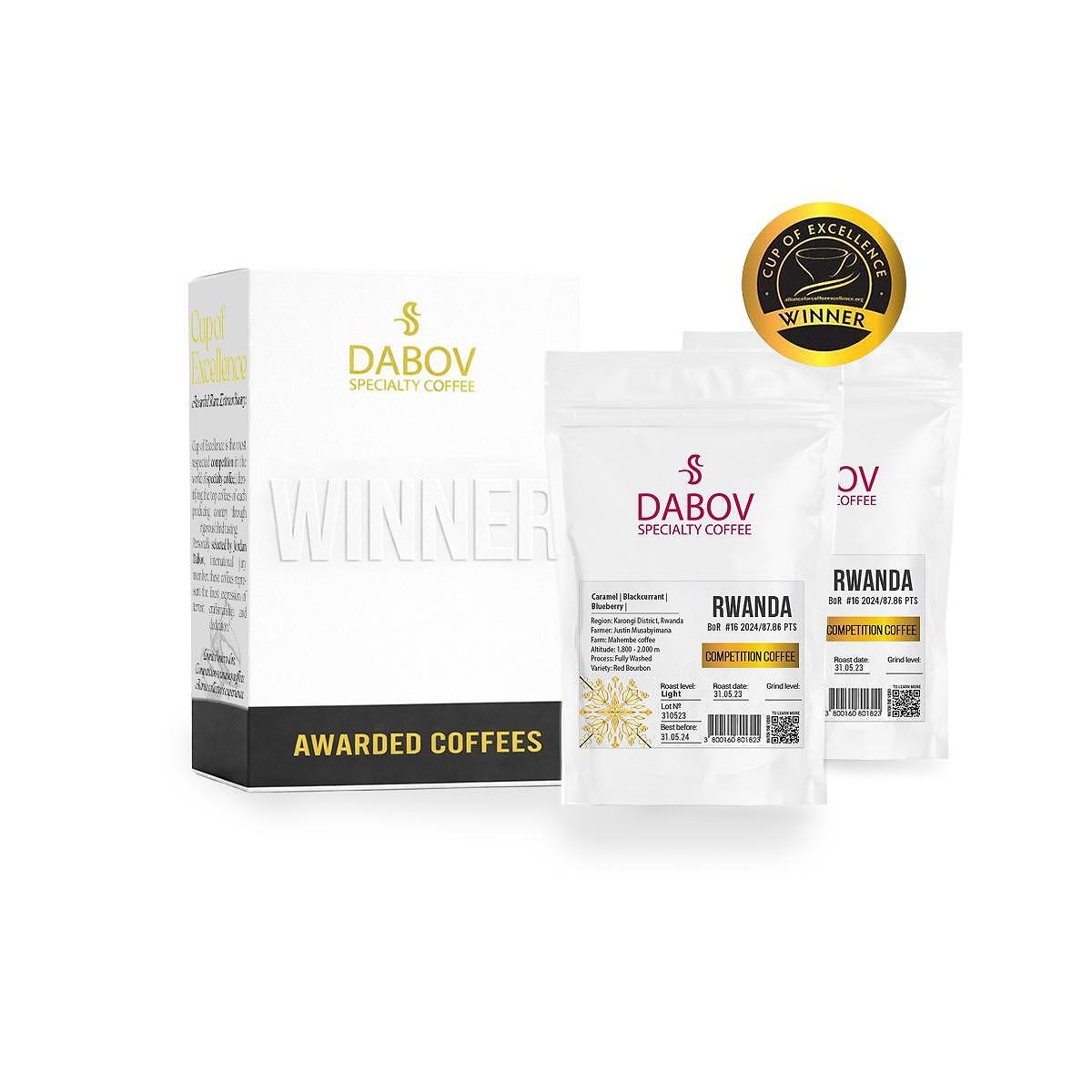
The Cup of Excellence (CoE) program, run by the Alliance for Coffee Excellence, functions as market infrastructure for emerging regions more than as a competition. CoE runs nationally transparent competitions, identifies the top 10–25 lots from a country, and auctions them internationally via competitive online bidding. The mechanism creates price discovery for quality that no commodity exchange could provide.
For an emerging origin, a single CoE entry can transform a farm's commercial trajectory. Honduras joined the CoE in 2004 and within five years saw participating farms command 200–300% above commodity-equivalent prices for winning lots. Panama's CoE history directly surfaced Hacienda La Esmeralda's Geisha to the international specialty market in 2004 — the lot that changed buyer expectations globally.
Countries that have joined CoE since 2015 include China (Yunnan), Myanmar, and Peru. Their auction prices have climbed each year as buyer familiarity with regional flavor profiles compounds.
Frequently Asked Questions
What countries are considered emerging coffee regions today?
The most actively discussed emerging origins in 2025 include Yunnan (China), Myanmar's Shan State, Thailand's Doi Inthanon and Doi Chaang areas, Peru's Amazonas and Cajamarca regions, Bolivia's Yungas, and parts of India developing specialty Arabica programs. Vietnam and Indonesia are large established producers but are "emerging" specifically in the specialty and Arabica tiers.
How does processing innovation help a region build a reputation before it has one?
A striking anaerobic or honey-processed lot can score 87–90 SCA points from a terroir that might otherwise produce conventional 83-point coffees. High scores at international auctions put the origin name in buyers' vocabularies before regional reputation accumulates. It is essentially marketing through flavor, embedded in the cup rather than in advertising.
What is the role of World Coffee Research in emerging regions?
World Coffee Research develops and distributes improved cultivars — especially F1 hybrids and disease-resistant Arabica varieties — to farmers in producing countries, including emerging regions. They also fund sensory research that links specific genetic traits to the flavor characteristics specialty buyers seek, bridging agronomy and cup quality in a way no individual farm can afford to fund unilaterally.
Is organic certification worth the transition cost for smallholders?
The answer depends on market access. Organic certification requires a 3-year transition without synthetic inputs, carries annual certification fees, and typically reduces yields by 10–20%. The premium varies by origin and buyer relationship: in Ethiopia's forest-coffee zones, 15% premiums are well-documented. In commodity-adjacent growing areas without established premium buyer relationships, the premium may not cover the costs.
The Takeaway
Innovation in emerging coffee regions compounds. Superior genetics like Cenicafé 1 or F1 hybrids create the quality foundation. Precision fermentation — anaerobic, carbonic maceration, controlled yeast inoculation — creates differentiation in the cup. IoT sensors and satellite tools translate management attention into consistent yields. The Cup of Excellence and blockchain traceability platforms translate quality into verified market position. No single element alone is sufficient; the regions pulling ahead in specialty markets are those that have built all four layers simultaneously.
For roasters and buyers, the practical implication is direct: the best lots from established emerging origins currently represent specialty coffee's best value, because reputation curves always lag actual quality gains. Explore our single-origin coffee selection to discover lots from regions pushing these boundaries.