

Why Plantations Get Abandoned
Coffee abandonment rarely happens overnight. It accumulates — a bad harvest year, a debt that can't be serviced, a son or daughter who moves to the city and doesn't come back. Understanding the underlying forces is essential before examining any revival.
The 1989 Inflection Point
The collapse of the International Coffee Agreement in 1989 removed the price floor that had buffered smallholder farmers from global commodity swings for decades. Within three years, farmgate prices in many producing countries fell below the cost of production. Farmers in Central America, parts of Indonesia, and highland Kenya began abandoning marginal plots — the ones on steeper slopes, with older tree stock, or furthest from roads.
The late 1990s and 2000s compounded the problem. Coffee leaf rust — the fungal pathogen Hemileia vastatrix — moved through Central America with unusual virulence, destroying up to 70% of yield on susceptible Arabica varieties in affected zones. By the time rust hit its peak intensity in 2012–2013, the International Coffee Organization estimated cumulative damages across Latin America exceeding $3 billion in lost income.
Structural Vulnerabilities
Beyond price and disease, three structural factors accelerate abandonment across producing regions:
Demographic shift. The average age of smallholder coffee farmers in many producing countries exceeds 50. Without succession, farms don't get pruned, fertilized, or renovated — they revert to shade or scrub within a few seasons.
Land degradation. Decades of intensive sun-grown cultivation stripped organic matter, destabilized slopes, and reduced the water-holding capacity that coffee plants need during dry seasons. Depleted soil is a powerful reason to walk away.
Market access gaps. Commodity coffee channels pay the same price regardless of cup quality. Without access to specialty buyers willing to pay premiums for exceptional lots, farmers in remote areas have no financial incentive to maintain the meticulous practices — selective picking, careful drying, timely pruning — that high-quality production demands.
Three Revival Models That Worked
Each of the three case studies below succeeded through a different combination of agronomic, economic, and community strategies. None relied on a single lever.
Colombia: Varietal Replacement at Scale
By 2010, Colombia's coffee production had fallen from roughly 12 million bags annually to under 8 million — a collapse driven by the convergence of coffee leaf rust and a prolonged La Niña weather pattern that disrupted flowering cycles. The National Federation of Coffee Growers (Federación Nacional de Cafeteros, FNC) responded with the most ambitious varietal replacement program the industry had seen.
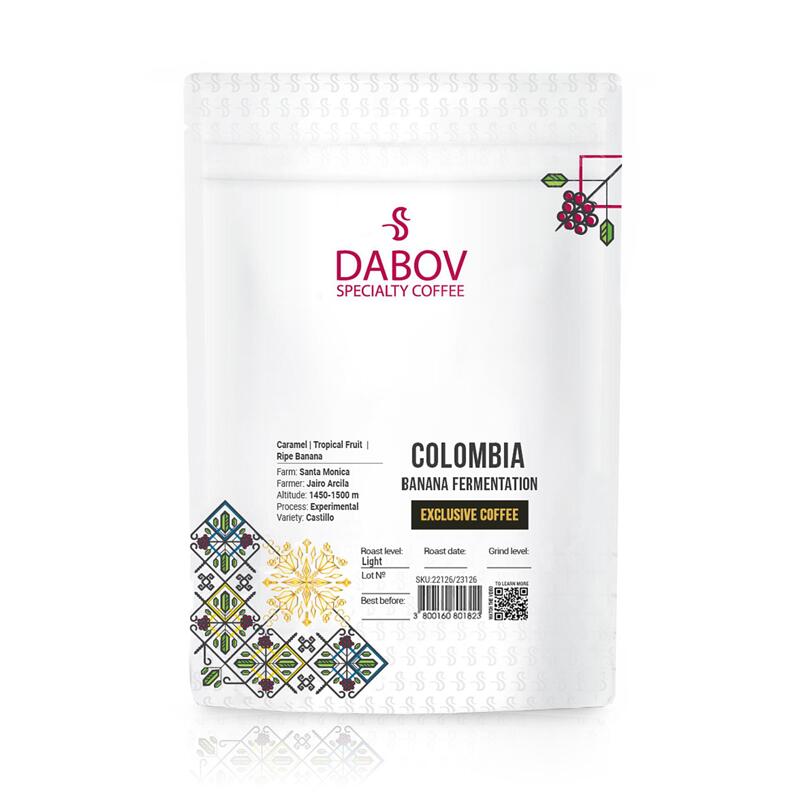
Cenicafé, the federation's research arm, had been developing rust-resistant Arabica hybrids since the 1980s. The Castillo variety — a cross between Caturra and the rust-resistant Híbrido de Timor — was the cornerstone. Cenicafé distributed subsidized Castillo seedlings through a network of over 1,500 extension agents who provided on-farm technical support, not just bags of seeds.
The FNC paired varietal replacement with three complementary programs:
- Price guarantee fund — a floor price mechanism that protected farmers from extreme market lows while Castillo plants matured (coffee takes 3–4 years from planting to first commercial harvest).
- Regional denomination program — similar to wine appellations, the FNC promoted coffees from Nariño, Huila, and Cauca as distinct cup profiles, opening specialty market access that commodity channels couldn't provide.
- Sustainability certification support — farmers received assistance navigating Rainforest Alliance and UTZ audits, credentials that opened European and North American specialty buyers who pay 20–40% above the baseline price.
By 2019, Colombian production had recovered to above 14 million bags. A study from Universidad de Los Andes found that for every 1% increase in coffee production, rural poverty in coffee-growing municipalities fell by approximately 0.13%.
Ethiopia: Community Forest Management and Genetic Stewardship
Ethiopia's challenge was different in kind. The country holds the world's largest pool of wild Coffea arabica genetic diversity — varieties adapted over millennia to specific microclimates in the forests of Kaffa, Bench-Maji, and Sheka zones. Deforestation and abandonment of traditional garden-coffee systems threatened not just production but the genetic library that global coffee breeding programs depend on.
The Ethiopian Coffee Forest Conservation Initiative, launched in 2003 with support from the Ethiopian government and international partners, centered on Participatory Forest Management (PFM). Communities were granted formal use rights over defined forest areas in exchange for taking responsibility for their conservation. Coffee farmers became forest stewards — an alignment of economic interest with conservation outcome.
The initiative avoided the mistake many external-funded programs make: imposing modern monoculture techniques onto communities whose traditional intercropped, minimal-till garden systems were already ecologically sound. Instead, the program focused on:
- Value chain improvement — better drying infrastructure, consistent moisture targets (11–12% moisture content at export), and direct relationships with specialty buyers willing to pay for traceable forest coffee.
- Geographical Indication development — working with Ethiopia's intellectual property office to register forest coffees from Kaffa and Bench Sheko as GI products, enabling premium market positioning.
- Ecotourism integration — coffee forest trails and wet mill visits provided income diversification for communities whose economic activity was previously limited to harvest seasons.
By 2018, over 150,000 hectares of coffee forest were under community management. Participating households reported income increases averaging 25% according to the Ethiopian Coffee and Tea Authority. Ethiopian naturals and semi-washed coffees from these forest systems now routinely score 87–92 on SCA cupping forms — placing them firmly in the top tier of the global specialty market.
Hawaii: Geographical Indication as a Market Lever
Hawaii's revival story is the most commercially focused of the three. By the late 1990s, Kona coffee faced a credibility crisis: blenders were legally selling products labeled "Kona Blend" containing as little as 10% genuine Kona beans, eroding the premium that authentic producers had built over generations. Many small farms on the Kona coast found that without the premium, their high labor costs — Hawaii's minimum wage is among the highest of any coffee-producing jurisdiction — made cultivation economically impossible.
The response came through legal and marketing strategy more than agronomy. Kona farmers and the Hawaii Department of Agriculture lobbied for stricter labeling enforcement, eventually securing regulations requiring that "Kona Blend" products disclose the percentage of genuine Kona content prominently on packaging. Simultaneously, the Kona Coffee Farmers Association promoted 100% Kona certification as a consumer trust mark.
On the production side, farms pursued several quality differentiation tactics:
- Anaerobic and honey processing — experimental post-harvest methods that allowed individual farms to develop distinctive cup profiles and compete in the premium single-origin market.
- Agritourism integration — farm tours, cupping experiences, and harvest volunteer programs converted tourists into direct customers, bypassing wholesale channels entirely for a portion of production.
- Research partnerships — the University of Hawaii's College of Tropical Agriculture and Human Resources developed locally adapted pest management protocols for the coffee berry borer (Hypothenemus hampei), which arrived in Kona in 2010 and threatened to reverse the revival.
The outcome was significant: farm revenue from Kona coffee roughly doubled between 2000 and 2020 according to USDA figures, from approximately $28 million to over $60 million annually. The number of active farms increased from around 630 to over 1,000 in the same period.
Comparative Analysis: What Each Region Did Differently
| Factor | Colombia | Ethiopia | Hawaii |
|---|---|---|---|
| Primary threat | Coffee leaf rust, low prices | Deforestation, genetic erosion | Market fraud, high production costs |
| Core intervention | Varietal replacement (Castillo) | Community forest stewardship (PFM) | GI enforcement + agritourism |
| Research institution | Cenicafé | Ethiopian Coffee Forest Initiative | UH College of Tropical Agriculture |
| Market repositioning | Regional denominations, certifications | Direct trade, GI for forest coffees | 100% Kona certification |
| Economic outcome | Production +75% over a decade | Household income +25% | Farm revenue doubled 2000–2020 |
| Environmental benefit | Disease-resistant canopy, soil recovery | 150,000 ha under conservation | Borer IPM, sustainable water use |
Key Strategies That Transfer Across Regions
Varietal Development and Access
All three case studies highlight the same upstream dependency: you cannot revive a coffee farm without plant material that can survive current conditions. Rust-susceptible Typica or Bourbon varieties on abandoned Colombian farms were a dead end — not because those cultivars lack cup quality, but because without rust resistance, any revival would collapse in the next epidemic cycle.
World Coffee Research, the international non-profit funded by the coffee industry, now operates collaborative variety trials across 18 countries, evaluating F1 hybrid varieties — crosses between high-quality Arabica parents and the rust-resistant Híbrido de Timor — for yield, disease resistance, and cup quality. The most promising of these hybrids, including H3 and Starmaya, are beginning to appear in specialty auction lots from Central America.
Extension Services and Knowledge Transfer
The Colombian model's most replicable feature isn't the Castillo variety — it's the extension agent network. Over 1,500 trained agronomists deployed directly to farms, providing hands-on guidance during the transition. Knowledge transfer at farm level, not just at cooperative headquarters, is what converts policy into practice.
Digital tools are beginning to complement traditional extension. Smartphone applications that provide real-time weather alerts, pest identification via photo upload, and market price data are reaching smallholder farmers in Vietnam, Uganda, and Rwanda through platforms developed by CIAT (International Center for Tropical Agriculture) and national coffee research institutes.
Direct Trade Relationships
The most durable economic protection for a revived farm is a committed buyer willing to pay above commodity price for consistent quality. Spot-market commodity relationships — where a farm ships to a broker who ships to a blender who ships to a multinational roaster — offer no incentive to invest in quality and no buffer against the price collapses that caused abandonment in the first place.
Specialty roasters who establish long-term purchasing commitments — multi-year agreements at fixed premiums above the C price — provide the financial predictability that makes farm renovation investments viable. Several specialty roasters now pre-finance harvests, providing working capital to farmers before the crop is even picked.
Agroforestry as Baseline Practice
All three regional revival stories, to varying degrees, incorporated shade trees into their production systems. Agroforestry offers multiple simultaneous benefits:
- Microclimate regulation — a diverse shade canopy reduces temperature extremes that stress coffee plants during climate anomalies.
- Soil organic matter — leaf litter from shade trees continuously deposits organic material, rebuilding the soil health that intensive sun-grown cultivation depleted.
- Carbon sequestration — research from Costa Rica found that coffee agroforestry systems can sequester up to 39 metric tons of carbon per hectare, creating potential revenue streams from carbon credit markets.
- Biodiversity habitat — shade-grown coffee farms can support up to 70% of the bird species found in adjacent natural forests, according to studies published in Conservation Biology.
The Role of Certification in Market Repositioning
Certifications are tools, not strategies. Used well, they unlock market access and price premiums; used poorly, they add audit costs without commensurate economic return.
For revived farms entering the specialty market, the most practically useful certifications depend on the buyer relationships available:
- Rainforest Alliance — broad environmental and social criteria; recognized by most European grocery buyers; relatively accessible for farms already implementing shade and water management practices.
- USDA Organic — high value in North American markets; transition period of three years without synthetic inputs creates cash-flow risk for farms in early revival stages.
- Bird Friendly (Smithsonian) — the most rigorous shade criteria; requires organic as prerequisite; targets a narrower but highly engaged premium buyer segment.
- Direct Trade agreements — not a formal certification, but a bilateral relationship where a roaster and producer agree on quality targets, price premiums, and transparency standards. Often more financially meaningful than any third-party certification for farms with reliable specialty buyer access.
Frequently Asked Questions
How long does it take to revive an abandoned coffee farm?
It depends heavily on the state of the land and the interventions used. Pruning and renovation of existing tree stock can restore productivity in 18–24 months. Replanting from scratch adds 3–4 years before first commercial harvest. Full economic recovery — including debt repayment and infrastructure investment — typically takes 5–8 years with adequate technical and financial support.
Can abandoned farms in climate-stressed regions still be productive?
Sometimes, and sometimes not. Climate suitability modeling is now precise enough to identify which specific parcels within a region will remain suitable through 2050 under various emissions scenarios. World Coffee Research has published open-access suitability maps for major producing countries. In some zones, the answer is to shift altitude — moving coffee cultivation to higher elevations as lower areas become too warm.
What role do cooperatives play in farm revival?
Cooperatives are often the practical vehicle through which individual smallholders access the resources that make revival possible: shared wet mill infrastructure, collective bargaining for input prices, group certification audits that distribute the overhead cost, and consolidated lot sizes large enough to attract specialty buyers. The Ethiopian PFM model worked partly because community forest groups functioned as de facto cooperatives for processing and market access.
Is specialty coffee certification worth the cost for a newly revived farm?
Rainforest Alliance and organic certifications typically cost $1,000–3,000 annually for small farms after initial audit fees, which can reach $5,000–8,000. This investment makes sense only if the price premium received reliably covers those costs. Run the numbers first: if current buyers aren't paying a premium for certified coffee, the certification generates marketing value but not immediate financial return. Build the buyer relationship before pursuing the credential.
Conclusion
Abandoned coffee plantations are not agricultural dead ends — they're deferred investments. The Colombia, Ethiopia, and Hawaii examples demonstrate that revival is achievable when the right combination of agronomic intervention, financial support, market repositioning, and community alignment is in place. No single element is sufficient on its own: rust-resistant varieties without viable market relationships don't justify the planting cost; premium market access without disease-resistant plant material collapses in the next epidemic cycle.
What these three regions share is a refusal to treat revival as a purely agronomic problem. Each embedded the farm-level work within a broader strategy — regional denomination systems, community forest stewardship, geographical indication enforcement — that changed the market's perception of the coffee produced. That reframing is ultimately what made the economics work.
For specialty roasters, the practical implication is direct: buying decisions that favor traceable, revival-origin coffees at meaningful price premiums are themselves a form of investment in the next generation of productive farmland. Browse our roasted coffee selection to find single-origin lots from regions actively working to rebuild their agricultural heritage.