Why Brewing Method Determines Everything
Iced coffee is not simply hot coffee that got cold. The extraction physics change entirely when temperature drops. Hot water at 93°C (199°F) dissolves soluble compounds aggressively and fast — you get a full spectrum of acids, sugars, oils, and bitter compounds in 3–4 minutes. Cold water at 4°C dissolves those same compounds slowly and selectively: it favors sugars and mellow acids, skips much of the bitterness, and requires 12–20 hours to do the work.
Between those two poles sit methods that use heat strategically and control where dilution happens. Understanding which method fits which coffee — and which palate — is the real skill.
Method 1: Cold Brew Concentrate
Cold brew is the dominant commercial iced coffee format for good reason: a two-week refrigerator shelf life, near-zero bitterness, and a thick body that survives heavy ice and milk addition. The process is unforgiving of poor coffee and exceptional with good coffee.
Ratio and Steep
The standard cold brew concentrate uses a 1:5 coffee-to-water ratio by weight (e.g., 100 g coffee to 500 ml water). This yields a concentrate you dilute 1:1 with water or milk at serving time, landing at roughly a 1:10 final ratio — close to what a standard pour-over delivers. Use coarsely ground coffee: a burr grind at the coarsest setting, or about twice the particle size of French press.
Steep in a sealed container at room temperature for 14–18 hours. Refrigerator steeping (4°C) takes 20–24 hours and produces a cleaner, slightly more delicate cup. Room temperature steeping is faster and produces a bolder, sometimes slightly more astringent concentrate — acceptable with forgiving coffees like Brazilian naturals.
Strain through a paper filter inside a fine-mesh strainer. The double filtration removes fine particles that would otherwise turn the concentrate muddy over its storage life.
Best Coffee for Cold Brew
Medium to dark roasted coffees from Brazil, Colombia, and Sumatra perform exceptionally in cold brew. Their low-acid, nutty, chocolatey profiles translate directly to the cup without hot extraction to amplify them. Light-roasted single-origins — particularly washed Ethiopian or Kenyan — tend to come out flat in cold brew; their bright acids and florals need heat to develop properly.
Method 2: Japanese Flash-Chill (V60 over Ice)
The Japanese iced coffee method is the answer to the dilution problem and the aromatic-loss problem simultaneously. You brew hot directly onto ice — but you compensate by reducing the brew water proportionally so the melt equals exactly the missing water.
The Math
For a standard V60 recipe using 15 g coffee and 250 ml total water: place 125 g of ice in the decanter, then brew with only 125 ml of hot water (92°C). The bloom and pour hit hot-brew temperature, extracting full aromatic compounds. As the brew drips through ice, it chills instantly — locking volatiles in place rather than letting them evaporate as the cup cools slowly.
The result is a cup with the aromatic clarity of pour-over coffee and the temperature of iced coffee, ready in 3–4 minutes.
Best Coffee for Flash-Chill
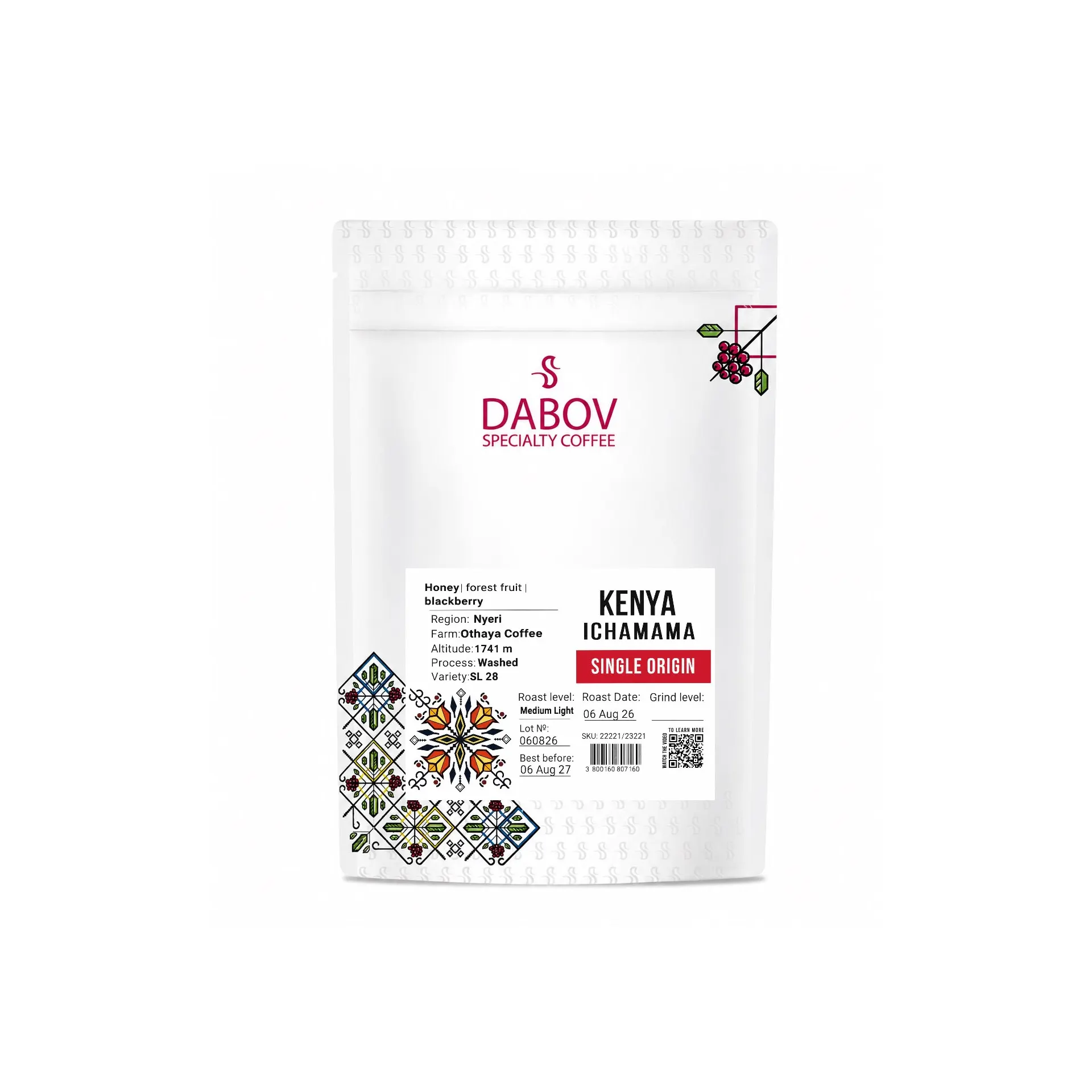
This is where light-roasted single-origins shine. A washed Yirgacheffe brewed this way produces a floral, citrus-bright iced coffee that cold brew cannot replicate. Kenyan AA — with its blackcurrant and tomato acidity — is spectacular over ice. The flash-chill preserves every volatile compound the light roast has to offer.
Grind slightly finer than your standard V60 grind (add 1–2 clicks coarser than espresso on most hand grinders) because the reduced water volume risks under-extraction. Total brew time should land at 2:30–3:30.
Method 3: Espresso Concentrate Over Ice
For drinks that involve milk — iced lattes, flavored drinks, espresso tonics — pulling espresso onto ice is both faster and higher-quality than cold brew concentrate. A double shot (36 ml) of properly extracted espresso over 3–4 ice cubes, topped with cold milk, is an iced latte in under two minutes.
Espresso-over-ice suits medium-roast blends designed for espresso extraction: Maillard-developed, sweet, with enough dissolved solids to hold their presence when cold and diluted by ice melt. Very dark roasts turn bitter when cold; very light single-origin shots become astringent.
Method 4: Nitro Cold Brew
Nitro cold brew is cold brew concentrate infused with nitrogen gas and dispensed under pressure through a stout faucet. The nitrogen infusion creates a cascading, creamy mouthfeel and a natural perceived sweetness — without sugar. Commercial nitro is dispensed from kegs; home versions use whipping siphons charged with nitrogen cartridges (not CO2, which would carbonate rather than cream).
The nitro experience is almost dessert-like: thick, velvety, with a lingering finish that feels lightly sweet even in a completely unsweetened preparation. It is served straight — no ice, no milk — which preserves the nitrogen cascade.
Method 5: Classic Shakerato and Coffee Cocktails
The Italian shakerato is the least complicated and most underappreciated iced coffee preparation. A double espresso and 10 ml of simple syrup go into a cocktail shaker with 6–8 ice cubes; shake hard for 15 seconds until the exterior of the shaker frosts; strain into a coupe glass. The result is frothy, chilled, slightly diluted, and intensely flavored.
For adult variations, the Espresso Martini follows the same base: 36 ml espresso, 45 ml vodka, 15 ml coffee liqueur (Kahlúa or equivalent), 10 ml simple syrup, shaken vigorously over ice and strained into a chilled martini glass. Three coffee beans as garnish. The key is using freshly pulled espresso — not cold brew concentrate — for crema that carries over into the foam layer.
Iced Coffee Brewing Methods Comparison
| Method | Brew Time | Shelf Life | Acidity | Body | Best For |
|---|---|---|---|---|---|
| Cold brew concentrate | 14–20 hrs | Up to 2 weeks | Low | Heavy | Milk drinks, meal prep |
| Japanese flash-chill | 4 min | Same day | High | Medium-light | Single-origin showcase |
| Espresso over ice | 2 min | Same day | Medium | Medium | Lattes, flavored drinks |
| Nitro cold brew | 14–20 hrs + gas | 3–4 days kegged | Low | Creamy-heavy | Straight, unsweetened |
| Shakerato / cocktail | 5 min | Same session | Medium-high | Light-frothy | Social occasions |
Ice Quality: The Variable Most People Ignore
Standard municipal tap water frozen in a home ice tray introduces chlorine compounds and mineral imbalance directly into your drink. As ice melts — and it always does — these off-flavors dilute in. Filtered water ice is not optional in specialty iced coffee; it is the baseline.
Large format ice (2-inch cubes, sphere molds) melts at roughly half the rate of standard 1-inch cubes, giving you a 4–6 minute window before significant dilution begins. For slow-sipping drinks — Vietnamese iced coffee, cold brew with oat milk — this matters.
Coffee ice cubes (frozen brewed coffee or cold brew concentrate) eliminate dilution entirely. As they melt, they intensify rather than weaken the drink. The flavor profile of the ice should match the drink: cold brew cubes for cold brew drinks, espresso cubes for milk-based drinks.
Flavored Iced Coffee: Three Recipes
Vanilla Cold Brew
Combine 180 ml cold brew concentrate (diluted 1:1 with water) over ice, 20 ml vanilla syrup, and 60 ml whole milk or oat milk. Stir gently. The vanilla should amplify, not dominate — if you can identify vanilla as a distinct flavor rather than a background sweetness, dial it back. Best with a Colombian or Brazilian cold brew whose inherent caramel notes respond well to vanilla.
Coconut Cinnamon Cold Brew
Over ice: 180 ml cold brew concentrate, 15 ml coconut cream (not coconut milk — the fat content is necessary for texture), 5 ml cinnamon syrup, topped with sparkling water. The carbonation lifts the coconut cream and keeps the drink from feeling heavy. A medium-roast Guatemalan or Honduran cold brew works particularly well here.
Citrus Tonic
Over ice in a highball glass: 60 ml freshly pulled espresso (cooled 90 seconds), 120 ml tonic water, a 2-inch strip of orange peel expressed over the glass and dropped in. No stirring — the espresso and tonic self-layer. The bitterness of the tonic and the natural citrus in the espresso (particularly with a fruity Ethiopian or Kenyan base) create a drink that reads like an aperitif. No sweetener needed.
Storing Brewed Coffee for Iced Preparation
Brewed coffee oxidizes quickly at room temperature — perceptibly stale within 30 minutes for delicate light roasts, within 2 hours for medium roasts. For iced preparation, cool fast and seal tight.
The fastest cooling method: brew directly onto ice (flash-chill) or set the hot vessel into an ice bath with stirring. A French press of hot coffee cools from 90°C to 10°C in under 5 minutes in an ice bath. Cold brew concentrate stores sealed in the refrigerator for up to 14 days; quality peaks between days 3–10 and noticeably degrades after day 12.
Never store brewed coffee in the refrigerator door — temperature swings from door opening cause repeated freeze-thaw cycling of aromatic compounds and accelerate flavor loss.
Frequently Asked Questions
Does cold brew have more caffeine than hot coffee?
Cold brew concentrate, before dilution, contains significantly more caffeine per milliliter than hot-brewed coffee — sometimes 2–3x depending on the concentration ratio. Diluted 1:1 to serving strength, the caffeine content is roughly equivalent to drip coffee (80–120 mg per 240 ml serving). If you drink cold brew straight from the concentrate bottle, you are consuming a substantially higher caffeine dose than you may realize.
Why does my flash-chill coffee taste under-extracted?
Flash-chill recipes require a finer grind than standard pour-over because the reduced water volume means shorter contact time. If you are using your standard V60 grind, add 1–2 notches finer on your grinder. Also verify you are using the correct ice-to-water split (typically 50% ice, 50% brew water by weight).
Can I use pre-ground coffee for cold brew?
Yes, but grind coarseness matters. Pre-ground coffee sold for drip machines is typically ground too fine for cold brew, which leads to over-extraction and a harsh concentrate. If using pre-ground, use a French press grind setting. The Toddy system, with its paper or felt filters, tolerates slightly finer grinds than mason-jar cold brew.
How long does cold brew concentrate last?
Sealed in the refrigerator, properly made cold brew concentrate lasts 10–14 days with no significant quality loss. Some batches hold well to 3 weeks. The indicator of deterioration is a flat, slightly musty note replacing the clean sweetness — if you notice this, discard.
The Takeaway
The iced coffee method you choose should follow the coffee you have, not the other way around. A light-roasted washed Ethiopian earns the V60-over-ice treatment. A natural Brazilian medium-dark belongs in cold brew. Espresso blends are purpose-built for the iced latte format. Matching method to coffee is the single most impactful decision in iced coffee quality — more than ice type, more than water temperature, more than steeping time.
Once you know the method, the ratios are fixed and repeatable. Browse our roasted coffee selection to find a coffee matched to the method you want to master.