How Coffee Triggers Acid Reflux
Acid reflux occurs when the lower esophageal sphincter (LES) — the muscular valve between the esophagus and stomach — relaxes at the wrong moment, allowing gastric acid to flow upward. Coffee contributes to this in two distinct ways: it directly stimulates gastric acid secretion, and its caffeine content relaxes the LES itself.
A 2019 review in Alimentary Pharmacology & Therapeutics found that caffeine impairs LES tone in a dose-dependent manner, meaning the more caffeine you consume in a sitting, the more likely reflux becomes. Coffee also contains chlorogenic acids — the same compounds responsible for coffee's characteristic brightness — which stimulate proton pump activity in the stomach lining, raising acid output well beyond what the pH of the liquid alone would suggest.
Importantly, individual tolerance varies enormously. Genetic variation in the CYP1A2 enzyme — which metabolizes caffeine — means some people clear it quickly while others do so slowly. Slow metabolizers experience prolonged caffeine activity, extending the window during which the LES is at risk of inappropriate relaxation. If you notice that one small cup derails your morning, slow CYP1A2 activity is a plausible explanation worth discussing with a physician.
There is also the matter of mechanical pressure. Large volumes of coffee stretch the stomach, pushing against the LES from below. This is why a 600ml latte can trigger symptoms that a 90ml espresso — even with its higher caffeine concentration — does not. Volume and caffeine dose operate as separate risk factors.
Roast Level and Acidity: What the Science Says
One of the most persistent myths in coffee is that dark roasts are stronger and more acidic than light roasts. The opposite is closer to true on the acidity dimension. The roasting process progressively degrades chlorogenic acids — by the time a bean reaches a dark roast (Vienna or French), it retains roughly 60–70% less chlorogenic acid than a lightly roasted bean from the same crop.
Dark roasts also generate higher concentrations of N-methylpyridinium (NMP), a compound formed during roasting that appears to suppress stomach acid secretion. A 2014 study published in Molecular Nutrition & Food Research found that NMP-rich dark roast coffee induced significantly less gastric acid secretion in a stomach cell model compared to light roast. Researchers concluded that a more complete roast was actually protective against the acid-stimulating effects of residual chlorogenic acids.
This does not mean dark roast is universally easier to tolerate. The heavier body, certain bitter phenolic compounds, and the higher caffeine density by volume of some dark roast espresso preparations can still irritate a sensitive esophagus in other ways. But the chlorogenic acid load — the key driver of acid hypersecretion — is genuinely lower in darker roasts.
Brewing Method Comparison: Acidity by Technique
How you brew matters as much as what you brew. The table below compares key brewing methods on their relevant digestive parameters.
| Brewing Method | Relative Acidity | Caffeine Level | LES Risk | Recommended? |
|---|---|---|---|---|
| Cold brew (diluted 1:1) | Very low | Moderate | Low–medium | Yes |
| AeroPress (short steep, paper filter) | Low–medium | Medium | Low–medium | Yes |
| Drip (auto, paper filter) | Medium | Medium | Medium | Moderate |
| French press (4-min steep) | Medium | High | Medium–high | Marginal |
| Pour-over (Hario V60) | Medium–high | Medium–high | Medium–high | Marginal |
| Espresso (1:2 ratio) | Medium | Very high (concentrated) | High | No |
| Moka pot | High | High | High | No |
Cold brew is the standout recommendation for sensitive stomachs. Steeping coarsely ground coffee in cold water for 12–18 hours extracts roughly 65–67% less acid than an equivalent hot brew, because the heat-driven extraction of chlorogenic acids simply doesn't occur at ambient temperature. The resulting concentrate, diluted 1:1 with water or milk, retains coffee's sweetness and body while leaving much of the acid chemistry behind.
AeroPress with a paper filter and a brew time under 90 seconds is the best option for those who need a hot cup immediately. The paper filter removes cafestol oils that contribute to gastrointestinal irritation in some people, and the brief contact time limits acid extraction without sacrificing a satisfying cup strength.
French press, despite its devoted following, sits in the problematic middle: the metal filter passes oils, the 4-minute steep extracts more acids than a shorter method, and the typical serving size is large. It is manageable if you use darker roast and keep volume to one cup.
Low-Acid Coffee Origins and Processing
Beyond roast level and brewing method, the bean's origin and processing path meaningfully affect acidity.
Altitude effects: High-altitude Arabica — the prized coffees from Yirgacheffe, Huila, or Kenya's Central Province — develop dense, complex acid profiles that make them vibrant and complex in the cup. For reflux sufferers, this complexity is part of the problem. Lower-altitude Arabica from Brazil's Cerrado or Sul de Minas regions, or from Sumatra's Aceh province, produces significantly less malic and citric acid by comparison.
Processing method: Wet-processed (washed) coffees strip the mucilage early, producing a cleaner, brighter cup but preserving more acids. Dry-processed (natural) coffees ferment longer inside the fruit skin, which partially converts acids during fermentation. Wet-hulled coffees — especially Sumatran Mandheling processed by Giling Basah — are among the lowest-acid options commercially available, with a distinctive earthy, full-body character from early dehulling in high-moisture conditions.
Bean species: Robusta (Coffea canephora) contains roughly 40–50% less chlorogenic acid than Arabica by weight. The trade-off is a different flavor profile and nearly double the caffeine — so for LES-relaxation-related GERD, switching to Robusta may not help. For purely acid-hypersecretion GERD, however, a well-sourced Robusta or Arabica/Robusta blend genuinely reduces chlorogenic acid load.
Timing, Portion, and Food Pairing
The biochemistry of reflux is significantly influenced by context — specifically what else is in your stomach and whether the LES has been mechanically stressed by a large meal.
Drink with food, not before. Coffee consumed on an empty stomach accelerates gastric emptying, sending acid rapidly into the duodenum and triggering a rebound acid surge. A small meal or snack — especially one with protein and fat — creates a buffer that slows stomach emptying and moderates the acid response.
Limit total daily volume. Most gastroenterologists recommend no more than 1–2 cups (240–480ml) per day for people with active GERD. Spreading intake over the morning reduces peak acid stimulation. Replacing a second cup of coffee with a cup of rooibos or low-tannin herbal tea satisfies the ritual without the acid hit.
Avoid coffee within 3 hours of lying down. Gravity plays a direct role in keeping gastric contents below the LES. Evening coffee, especially combined with a large dinner, stacks risk factors that compound each other. The esophagus cannot protect itself from acid the way the stomach lining can — this timing rule is one of the highest-leverage changes most reflux sufferers can make.
Alkaline food pairings: Foods with higher pH — oatmeal, bananas, non-citrus fruits, almonds, unsweetened almond milk — can partially buffer the acidity of coffee when consumed simultaneously. Adding full-fat dairy or oat milk to coffee has a similar effect: milk proteins bind certain acid compounds, moderating the gastric pH response.
Decaf: A Serious Option
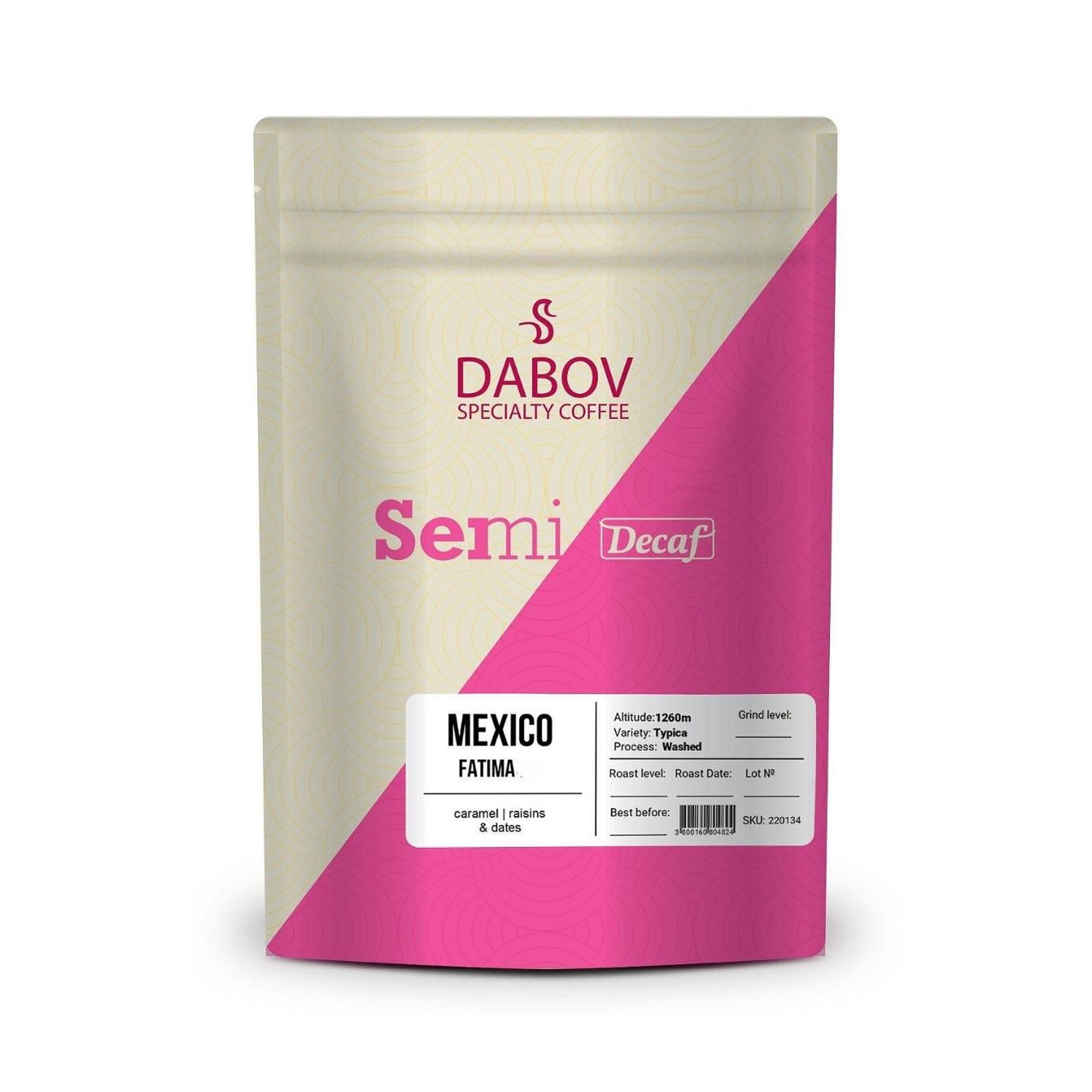
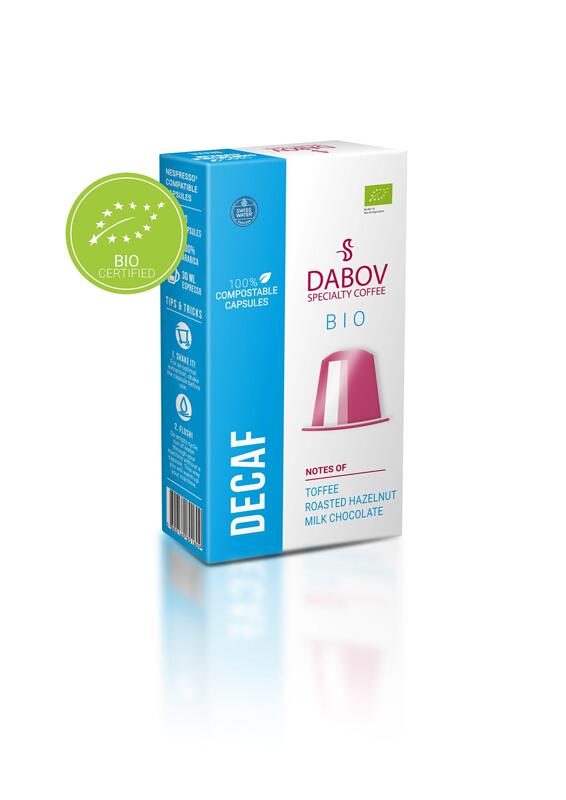
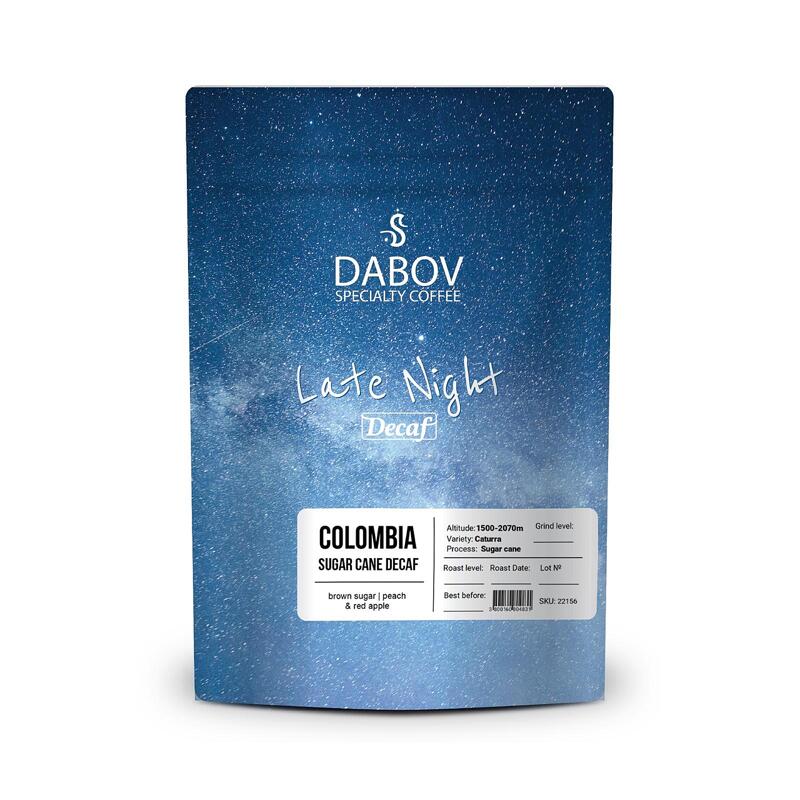
Decaffeinated coffee deserves more serious treatment than it typically receives in specialty coffee circles. Removing caffeine directly addresses one of the two primary mechanisms by which coffee worsens GERD — LES relaxation — while leaving flavor and ritual largely intact. For people whose reflux is primarily caffeine-driven rather than acid-driven, decaf can eliminate symptoms almost entirely.
Not all decaffeination processes are equal for stomach sensitivity:
Swiss Water Process (SWP): Caffeine is removed using water and a flavor-charged green coffee extract. No chemical solvents are involved. The process preserves flavor complexity well and produces reliably clean results. It is the preferred method for high-quality specialty decaf.
CO₂ process: Supercritical carbon dioxide selectively extracts caffeine molecules at high pressure. Expensive and less common, but produces exceptional flavor retention. No solvent residue whatsoever.
Solvent-based (methylene chloride or ethyl acetate): The most common industrial method. Residual solvent levels are regulated to trace amounts by the FDA and EU authorities, but some sensitive individuals prefer to avoid it on principle. Ethyl acetate-processed coffees are sometimes marketed as "natural decaf" since ethyl acetate occurs naturally in fruit fermentation.
The most stomach-friendly configuration available without giving up coffee entirely is a dark roast, Swiss Water Process decaf from a low-altitude Brazilian or Sumatran bean, brewed via AeroPress or cold-brew method. This stacks multiple low-acid variables in one cup.
Lifestyle Adjustments That Amplify Your Coffee Choices
Even the most carefully chosen coffee can be undermined by broader habits. Several lifestyle factors determine whether your digestive system is in a state of baseline vulnerability or genuine resilience.
Body weight: Abdominal fat increases intra-abdominal pressure, pushing against the LES from below. Even a modest reduction in abdominal circumference often reduces reflux frequency substantially — independent of coffee intake.
Meal size and composition: Large meals, especially high-fat meals, delay gastric emptying, prolonging the period during which coffee's acid-stimulating effects can act. Smaller meals eaten more frequently reduce this window.
Stress: Stress increases gastric acid secretion via cortisol-driven activation of the hypothalamic-pituitary-adrenal axis. Coffee and stress are frequently paired — the combination is more corrosive to the esophagus than either alone. If you drink coffee primarily under high-stress conditions, managing stress is as relevant a strategy as managing roast level.
Smoking and alcohol: Both independently weaken the LES. If you smoke or drink regularly alongside coffee, modifying coffee alone will produce limited results. The compounding of LES-relaxing inputs is what makes acid reflux intractable for many people.
Frequently Asked Questions
Does coffee cause acid reflux permanently?
Coffee does not permanently damage the LES or cause structural GERD on its own. For most people it is a trigger that exacerbates existing reflux rather than a root cause. Reducing or modifying coffee consumption typically alleviates symptoms without requiring permanent abstinence.
Is cold brew safe for acid reflux?
Cold brew is the most reliably gentle coffee option for people with acid reflux. Its significantly lower chlorogenic acid content and the absence of heat-extracted compounds make it less likely to trigger gastric acid overproduction or LES relaxation than most hot-brew alternatives.
Does decaf coffee cause less acid reflux?
Yes, for most people. Removing caffeine directly reduces the LES-relaxation effect. However, decaf still contains chlorogenic acids and other compounds that stimulate gastric acid secretion, so it is not completely risk-free. Dark roast decaf using the Swiss Water Process is the gentlest available option.
Does adding milk to coffee reduce reflux risk?
Partially. Milk proteins bind some acid compounds in coffee, and the fat content slows gastric emptying. This does not eliminate reflux risk, but it consistently reduces gastric acid output in clinical observations. Full-fat dairy or full-fat oat milk provides the most benefit.
Can I drink espresso if I have acid reflux?
Occasional espresso in small doses (a single 30ml shot with food) is tolerable for mild GERD. The concentrated caffeine dose is the primary risk — it relaxes the LES more acutely than a diluted brew. Avoid double shots, avoid espresso on an empty stomach, and never pair it with lying down within two hours.
Conclusion
Managing acid reflux does not require abandoning coffee — it requires understanding which variables amplify the problem and adjusting them deliberately. Darker roasts carry less chlorogenic acid. Cold brew and AeroPress extract significantly less acid than espresso or moka pot. Swiss Water Process decaf eliminates the LES-relaxing effect of caffeine. Eating before you drink and avoiding coffee near bedtime reduces the gravitational and volumetric risk factors. Timing, pairing, and volume control are as powerful as bean selection.
Most people who claim they cannot drink coffee anymore simply have not found their optimal configuration. The path from painful morning ritual to comfortable daily habit is built from small, specific adjustments — not abstinence. Browse our specialty roasted coffee selection for low-altitude, dark-roast, and single-origin options suited to sensitive stomachs.