The gap between a wine tasting and a coffee tasting is smaller than most hosts assume. Both involve aromatic complexity that rewards attention, both have a vocabulary guests need help accessing, and both produce more engagement when the tasting is structured than when guests are simply handed a drink. The main differences are practical: coffee cools quickly, caffeine accumulates across a long flight, and the flavor vocabulary ("blackcurrant," "jasmine," "brown sugar") is less familiar to most guests than the wine equivalent.
A well-designed coffee tasting menu bridges that gap. It does the work of slowing guests down, connecting flavor to origin, and building enough familiarity with the tasting vocabulary that people leave with a more confident relationship to specialty coffee — and usually a strong preference for one or two coffees in the flight.
The Logic of a Coffee Flight
A coffee tasting menu works best when it builds through a sensory arc. The standard progression is light to dark, or equivalently, delicate to bold. This is not arbitrary. Starting with a light, high-acid, floral coffee trains the palate to recognize brightness and subtlety before heavier, more dominant flavors arrive. If you serve a dark-roasted Sumatran first, the lighter Ethiopian that follows will seem thin and underwhelming. Served in the correct order, that Ethiopian coffee's bergamot and jasmine notes are immediately perceptible.
A second axis is processing method. Washed coffees and natural-process coffees taste fundamentally different — washed coffees are cleaner and brighter, naturals are fruit-forward and often sweeter. Including one of each in the flight illustrates this vividly for guests who have never consciously noticed processing method as a variable.
Designing the Flight: How Many Coffees and Which Order
A four-coffee flight is the minimum for meaningful comparison. A six-coffee flight is the practical maximum before caffeine accumulation becomes a management problem for most guests.
For a four-coffee flight, the structure is:
- Light washed — the reference point, delicate and bright
- Medium washed — fuller sweetness, less sharp acidity
- Medium natural — fruit-forward, showing processing character
- Medium-dark or dark — bold, with roast-driven notes
For a six-coffee flight, add one unique or experimental coffee at position 5 (before the finale):
- Light washed — delicate, floral, high acidity
- Medium-light washed — balance of brightness and sweetness
- Natural or honey process — fruit-forward, contrast against washed
- Medium-dark washed or blend — body and sweetness dominant
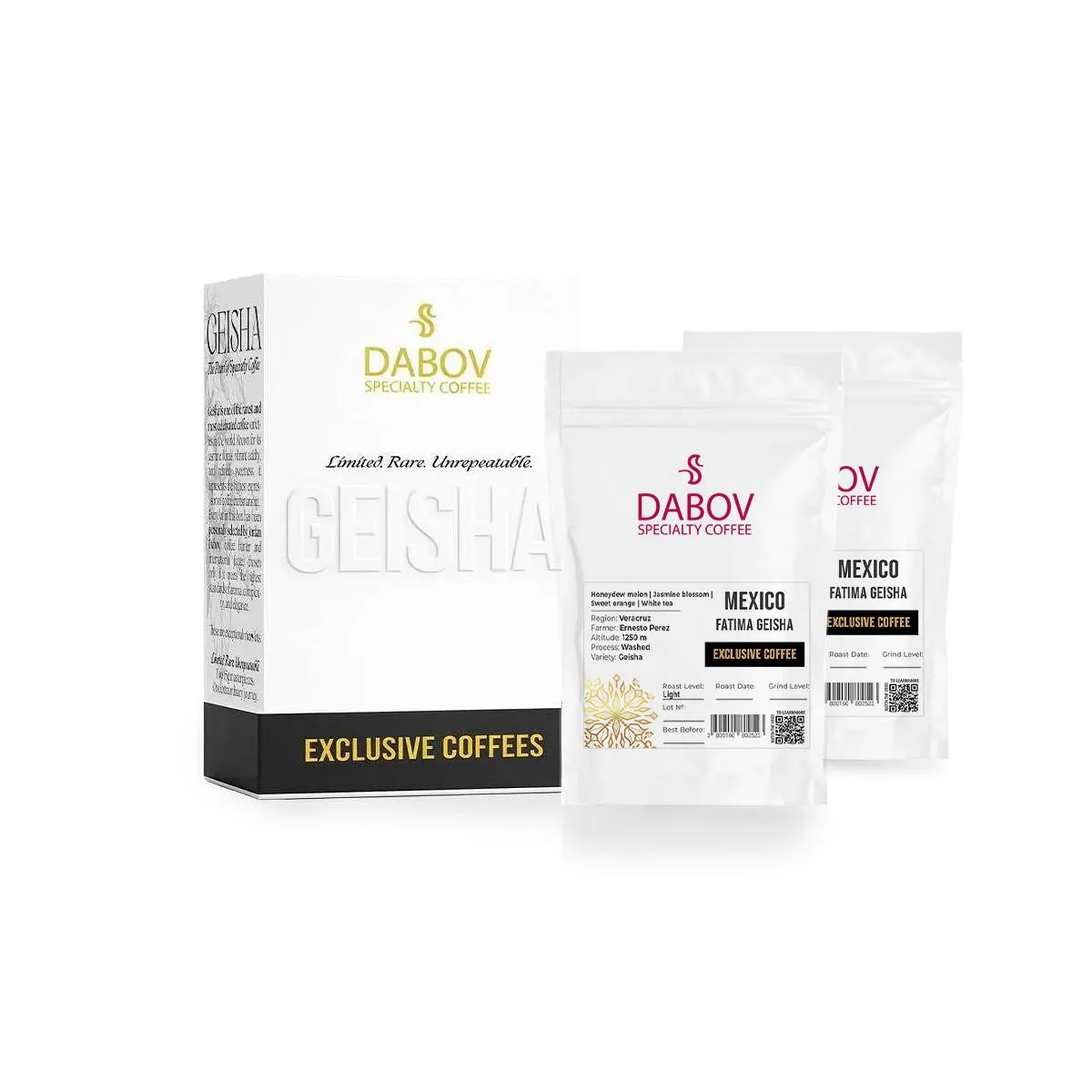
- Unique coffee — Gesha varietal, anaerobic process, rare origin
- Single espresso (or strong concentrate, served last) — intensification and finish
The "unique or experimental" position is optional but creates a memorable high point in the flight. A washed Panama Gesha, even a small pour, gives guests something they can discuss afterward — the flavor is distinctive enough that it requires no expert guidance to recognize as unusual.
Sample Six-Coffee Tasting Menu
| Position | Coffee | Origin | Process | Roast | Key Notes |
|---|---|---|---|---|---|
| 1 | Ethiopia Yirgacheffe | Gedeo Zone, Ethiopia | Washed | Light | Jasmine, bergamot, lemon |
| 2 | Colombia Huila | Huila, Colombia | Washed | Medium-Light | Brown sugar, red apple, almond |
| 3 | Ethiopia Natural | Guji Zone, Ethiopia | Natural | Light-Medium | Blueberry, strawberry, cocoa |
| 4 | Guatemala Antigua | Antigua, Guatemala | Washed | Medium | Caramel, stone fruit, milk chocolate |
| 5 | Panama Gesha | Boquete, Panama | Washed | Light | Bergamot, peach, honey, jasmine |
| 6 | Sumatra Mandheling | Aceh, Sumatra | Wet-hulled | Dark | Dark chocolate, cedar, tobacco |
This sequence moves from the most delicate (Ethiopian Yirgacheffe, which can seem underwhelming after bold coffees) through the most unexpected (Panama Gesha, which surprises guests unfamiliar with the Gesha cultivar's extraordinary aromatic intensity) to the most assertive (Sumatran Mandheling as a bold, definitive finish).
Portion Sizing and Water Resets
Each tasting pour should be 50–75ml (roughly 1.7–2.5 oz) — enough to evaluate meaningfully across multiple sips without accumulating too much volume across the flight. A six-coffee flight at 60ml per pour equals 360ml (about 12 oz) of coffee total, equivalent to roughly two standard cups and a manageable caffeine load for most adults.
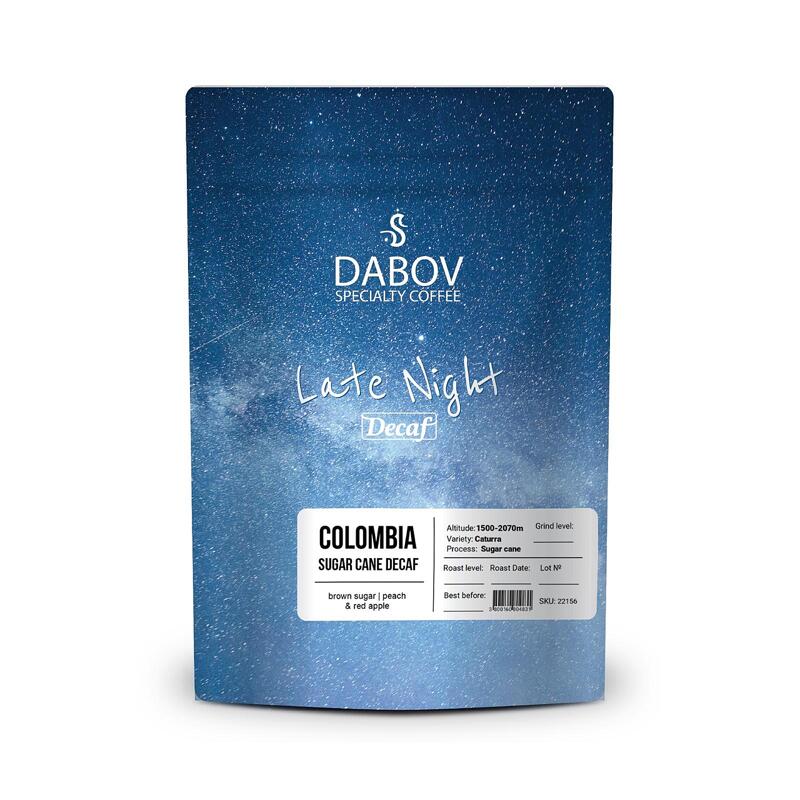
For events where some guests avoid caffeine, source a specialty-grade Swiss Water Process decaf for at least one position and mark it clearly on the menu card. A well-processed Ethiopian decaf can hold its own in a tasting context.
Water reset protocol matters between each pour. Still water at room temperature — not sparkling, since carbonation creates its own palate sensations — should be available and explicitly encouraged between each coffee. Print the instruction on the menu card: "Rinse with still water between coffees to reset the palate."
Food Pairings: Complementary and Contrasting
Food pairings in a coffee tasting menu work on two principles: complementary (flavor notes that echo the coffee) and contrasting (textures or flavors that create interesting tension). Both approaches work; mixing them across the flight adds variety.
| Coffee | Complementary Pairing | Contrasting Pairing |
|---|---|---|
| Ethiopian Yirgacheffe (floral, lemon) | Lemon shortbread, earl grey cake | Fresh chèvre, mild soft cheese |
| Colombia Huila (brown sugar, almond) | Almond biscotti, walnut brownie | Aged cheddar, prosciutto |
| Ethiopia Natural (blueberry, cocoa) | Dark chocolate, berry tart | Ricotta with honey |
| Guatemala Antigua (caramel, stone fruit) | Caramel toffee, apricot pastry | Salted butter croissant |
| Panama Gesha (bergamot, peach, honey) | Honey cake, peach sorbet | Fresh burrata, light cream |
| Sumatra Mandheling (dark choc, cedar) | Bitter chocolate, pecan | Blue cheese, sharp cheddar |
Keep food portions small — one or two bites per course. Food is an enhancer, not the main event. Use white or cream-colored vessels for food so visual presentation stays neutral and does not influence coffee perception through color association.
Avoid strongly acidic foods (vinaigrette, pickled items) between coffees. Plain water crackers, banana slices, and mild bread work well as palate cleansers.
Writing the Menu Card
The menu card is what guests hold during the tasting. It should be dense enough to give context but not so text-heavy that guests read instead of taste.
For each coffee, include:
- Name and origin: Ethiopia Yirgacheffe, Gedeo Zone
- Producer or cooperative (if known): Kochere Cooperative
- Process: Washed
- Roast level: Light
- Altitude: 1,850–2,200 masl
- Tasting notes: Jasmine, bergamot, Meyer lemon
- Pair with: Lemon shortbread
Keep tasting notes to three descriptors maximum. This gives guests a target to look for rather than an exhaustive list that overwrites their own perception.
Include one sentence of origin storytelling per coffee. For the Ethiopian Yirgacheffe: "Yirgacheffe is the birthplace of cultivated Arabica; smallholder farmers here have been processing coffee by hand for generations." One sentence contextualizes the coffee without turning the card into a lecture.
At the top of the menu card: "Taste the coffees in order. Reset the palate with still water between each pour."
Setup and Logistics
Brewing for Groups
Batch-brew each coffee separately and hold it in thermal carafes. Do not hold brewed coffee longer than 30 minutes before service — after that window, even in a good thermal vessel, the flavor shifts noticeably.
For a 20-guest event with six coffees at 60ml per pour, you need roughly 1.5 liters of each coffee (1.2 liters plus a 20% buffer). At a 1:15 brew ratio, that is 100g of each coffee pre-weighed and labeled.
Station vs. Passed Format
Station format: Each coffee occupies its own table or station. Guests move through the room at their own pace. More social and interactive; less tightly controlled; well-suited for casual events and weddings.
Passed format: All guests receive each pour simultaneously, guided by a host. Better for structured storytelling and palate education; requires more service staff; standard at corporate and formal educational events.
The passed format produces better comparative evaluation because all guests assess the same coffee at the same temperature at the same time. Allow five to seven minutes between coffees for evaluation, water reset, and brief conversation. A six-coffee flight at this pace takes 40–45 minutes.
Temperature Control in Service
If using the passed format, pour and serve each coffee within 90 seconds to ensure all guests receive it at the same temperature. Pre-measure all pours into identical cups before service. Cover cups loosely with a small saucer to retain heat between pouring and delivery.
The Origin Story as the Connecting Thread
The most memorable coffee tasting menus are not necessarily the ones with the rarest coffees. They are the ones where guests leave with a story. The Ethiopia Natural's blueberry intensity becomes more vivid when guests understand that natural processing means the coffee cherry dried intact on raised beds in Guji Zone for weeks, allowing fruit sugars to penetrate the seed. The Panama Gesha's extraordinary perfume is more comprehensible when guests know that Gesha is a specific cultivar — not a processing method — with a documented history stretching from Ethiopian forests to Panama auction records.
Three to four sentences of origin context per coffee, delivered verbally in the passed format or printed on the card for station format, is enough to create that connection. More than four sentences and guests stop tasting and start reading.
Frequently Asked Questions
How many coffees should be in a tasting flight?
Four coffees is the minimum for meaningful contrast; six is the practical maximum before caffeine accumulation becomes uncomfortable. For a two-hour event with a mid-event break, you could include eight coffees if two are decaf alternatives served in parallel.
Should I reveal the coffee identities before or after tasting?
In an educational setting, blind tasting (identities revealed at the end) produces more honest palate engagement — guests assess what they actually taste rather than what they expect a Yirgacheffe or Gesha to taste like. For social events, disclosing identities upfront creates more conversation. A practical middle ground: provide tasting notes and region without the specific coffee name, then reveal after evaluation.
How do I handle guests who do not drink caffeine?
Source a specialty-grade Swiss Water Process decaf for at least one flight position. A single-origin Ethiopian or Brazilian decaf processed via Swiss Water removes 99.9% of caffeine while preserving much of the origin character. Mark decaf positions clearly on the menu card.
What temperature should I serve the coffees?
Ideal tasting temperature is 140–160°F. Coffee served too hot suppresses flavor perception; coffee served too cool loses aromatic volatility. If your coffees come off the batch brewer at 180°F, let them rest 60–90 seconds in the cup before serving.
Can I include espresso in a tasting flight?
Yes, as a final course. Espresso concentrates flavor dramatically and provides a categorically different sensory experience — more viscous, shorter, more intense. Serve it last, as a 25–30ml shot, and note on the menu card that it is meant to be sipped slowly rather than consumed in one pull.
Conclusion
A coffee tasting menu succeeds when it creates a framework for attention. Most guests have drunk thousands of cups of coffee without ever tasting it — without noticing what the origin contributes, what the processing method changed, or why a light roast and a dark roast of the same bean feel entirely different. A well-structured flight, with food pairings that reinforce the flavors and a menu card that provides the vocabulary, delivers that experience in 40 minutes.
The coffees do not need to be the most expensive lots on the market. They need to tell a coherent story and progress through a sensory arc that builds rather than overwhelms. Plan that arc first, source accordingly, and the event will be remembered for the coffee in a way that most events never are.
Browse our specialty coffee selection to source the coffees for your next event flight — single-origin lots with detailed tasting notes available for menu card copy.