Sustainability in coffee is not one thing. It is a cluster of related but distinct concerns: ecological health of the farming system, chemical safety for workers and ecosystems, economic viability for smallholder producers, carbon footprint, and end-of-life packaging. No single certification addresses all of them simultaneously. The most useful mental model is a stack: each certification adds a layer of assurance without replacing the others.
The Core Certification Stack
The four certifications most commonly found on specialty coffee in North American retail each protect a different domain.
USDA Organic
USDA Organic certification requires that coffee was grown without synthetic pesticides, herbicides, or fertilisers for at least three years prior to certification. The certification covers the growing and processing stages up to the point of sale; it does not address labour conditions, biodiversity, or worker wages.
Practically, organic certification is most meaningful for shade-grown mountain farms where chemical inputs are already limited—it is less transformative on large sun-grown estates where the certification requires significant investment in alternative pest management without changing the fundamental monoculture structure. Organic is a useful baseline but a relatively low sustainability bar on its own.
USDA Organic certification is also a prerequisite for the Smithsonian Bird Friendly certification—making it the foundational layer of the most rigorous ecological standard available.
Bird Friendly (Smithsonian Migratory Bird Center)
The Bird Friendly certification, administered by the Smithsonian's National Zoo, is the most demanding shade-canopy standard in the coffee industry. Farms must meet specific criteria including:
- A minimum 40% canopy cover at certification
- At least 11 species of shade trees across three structural layers
- Minimum tree height of 12 metres in the canopy layer
- USDA Organic certification as a prerequisite
Shade-grown coffee under a diverse tree canopy provides habitat for resident and migratory bird species—dozens of which spend North American winters in Latin American coffee regions. The certification also produces measurable ecological benefits including reduced soil erosion, higher carbon sequestration, and improved water retention compared to sun-grown monocultures.
Bird Friendly coffee is genuinely rare. Fewer than 2% of certified-organic coffee farms globally carry the Bird Friendly mark. If you see it on a bag, the farm has cleared a substantially higher bar than any other ecological certification in the category.
Rainforest Alliance
The Rainforest Alliance mark (the green frog) is one of the most visible sustainability certifications in global food retail. It is an integrated farm management standard that covers environmental, social, and economic dimensions, with a particular emphasis on biodiversity conservation and habitat protection.
Important distinctions versus other certifications:
- Rainforest Alliance does not require organic practices or prohibit synthetic inputs categorically—it requires integrated pest management and limits the most hazardous chemical classes
- It does not guarantee a minimum price or a separate community premium fund
- It certifies a percentage-of-crop threshold, not 100% of the volume—a product can carry the mark with as little as 30% certified content in some markets
Rainforest Alliance is a legitimate and meaningful standard, particularly for large-volume commodity buyers. For specialty buyers, it is useful context but not a guarantee of either price equity or organic production. The 2018 merger of Rainforest Alliance with UTZ Certified absorbed UTZ's traceability and supply-chain management standards into the combined programme.
B Corp Roasters
B Corp certification applies to the company, not the product. A roaster with B Corp status has had its entire business model—governance, workers, community, environment, and customers—assessed by B Lab against a 200-point framework. Achieving B Corp status requires a minimum score of 80 points and public disclosure of the assessment.
B Corp status does not certify the sourcing of any specific bag; it certifies that the company behind the bag operates according to stakeholder-value principles across all its operations. It is the best available signal for the roaster's overall integrity. Two B Corp roasters might source their coffee from completely different regions using different models; the B Corp mark tells you about the company's commitments, not the specific lot.
"Certifications tell you the minimum; transparency tells you the reality. A roaster who publishes their purchase prices, names the cooperative, and visits the farm annually is giving you more useful information than any single certification mark."
Certification Comparison: What Each Mark Covers
| Certification | Administered By | No Synthetic Inputs? | Minimum Farm Price? | Canopy/Biodiversity? | Worker Standards? | Applies To |
|---|---|---|---|---|---|---|
| USDA Organic | USDA/accredited certifiers | Yes | No | No | No | Farm + processing |
| Bird Friendly | Smithsonian SMBC | Yes (prerequisite) | No | Yes (most rigorous) | No | Farm only |
| Rainforest Alliance | RA-Cert | Partial (no hazardous) | No | Yes (good) | Yes | Farm + supply chain |
| Fairtrade International | FLO-CERT | No (encouraged) | Yes ($1.40/lb) | No | Yes | Farm + co-op structure |
| Fair Trade USA | FTUSA | No (encouraged) | Yes | No | Yes | Farm + estate |
| B Corp | B Lab | No | No | No | Yes (whole company) | Roaster company |
| Direct Trade (unverified) | Self-reported | No | No (claims vary) | No | No | Varies |
The most commonly stacked combination in specialty coffee is USDA Organic + Fair Trade—covering chemical inputs and economic equity simultaneously. The rarest and most comprehensive single mark is Bird Friendly, which requires organic as a prerequisite and adds the most rigorous ecological standard.
Reading Beyond the Logo: Direct-Trade Signals on Specialty Bags
Many of the most ethically sourced coffees in the specialty market carry no third-party certification at all—not because they lack commitments, but because the direct relationship between the roaster and the farm makes third-party verification redundant if the roaster publishes the underlying data.
The signals that indicate a genuine direct-trade relationship on an unbranded bag:
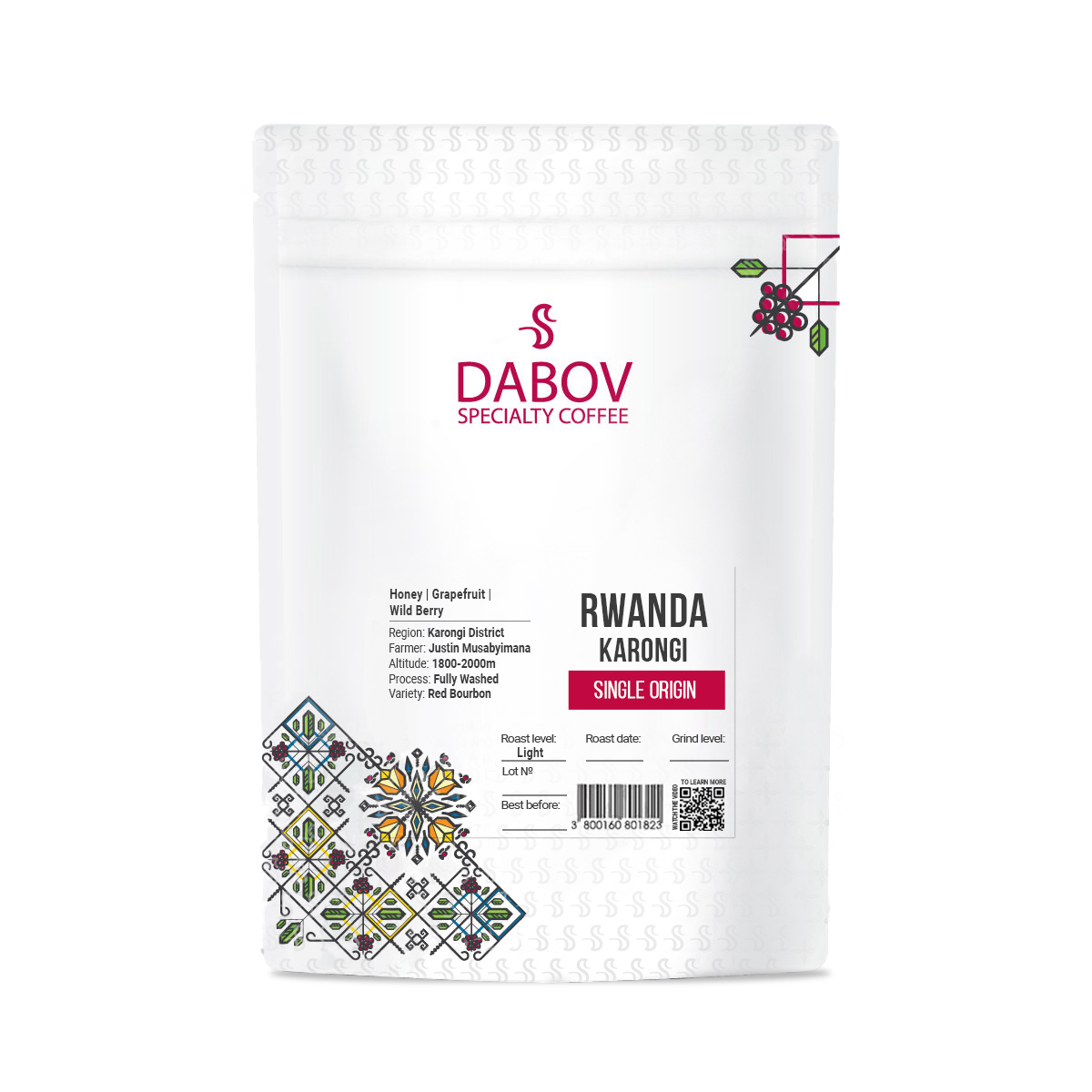
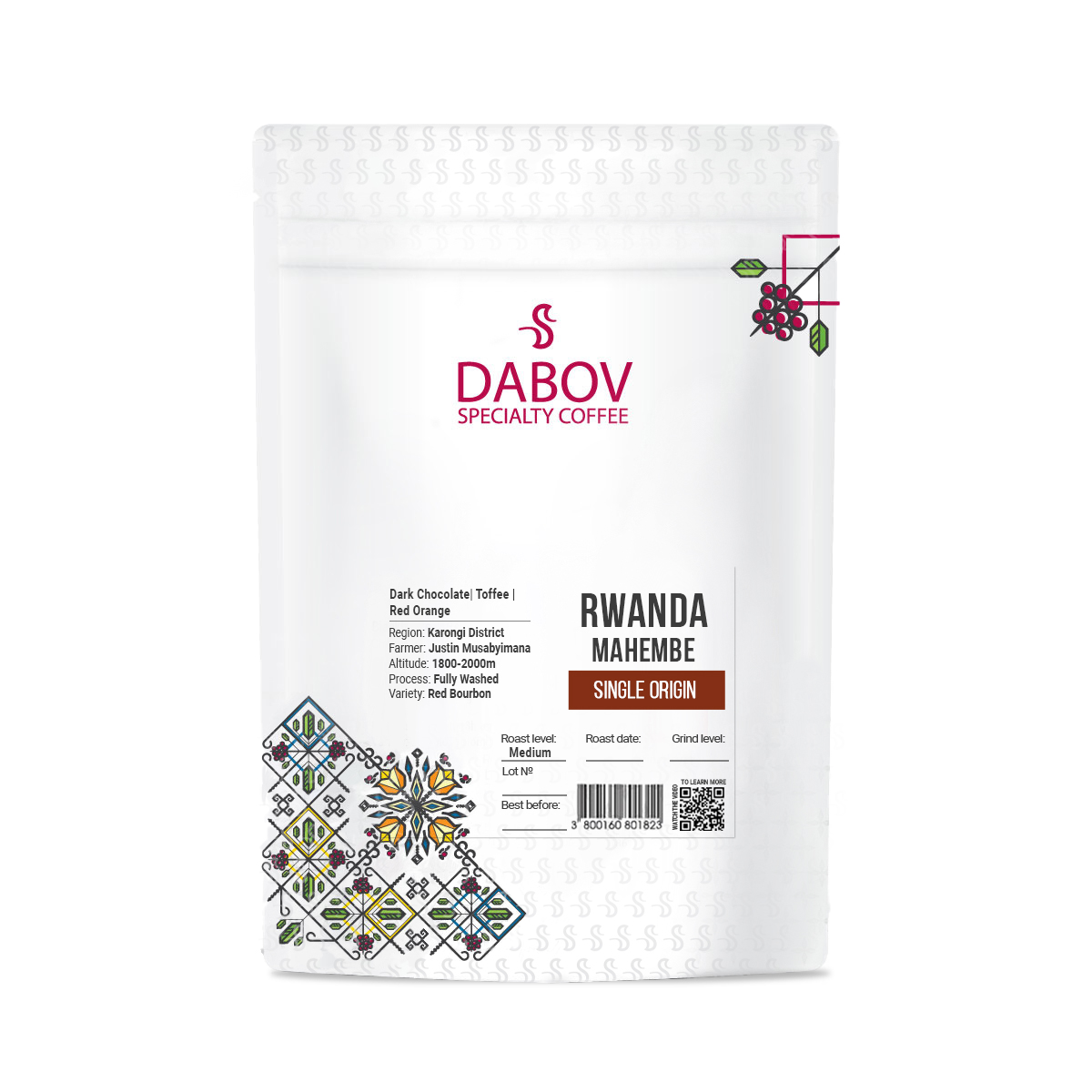
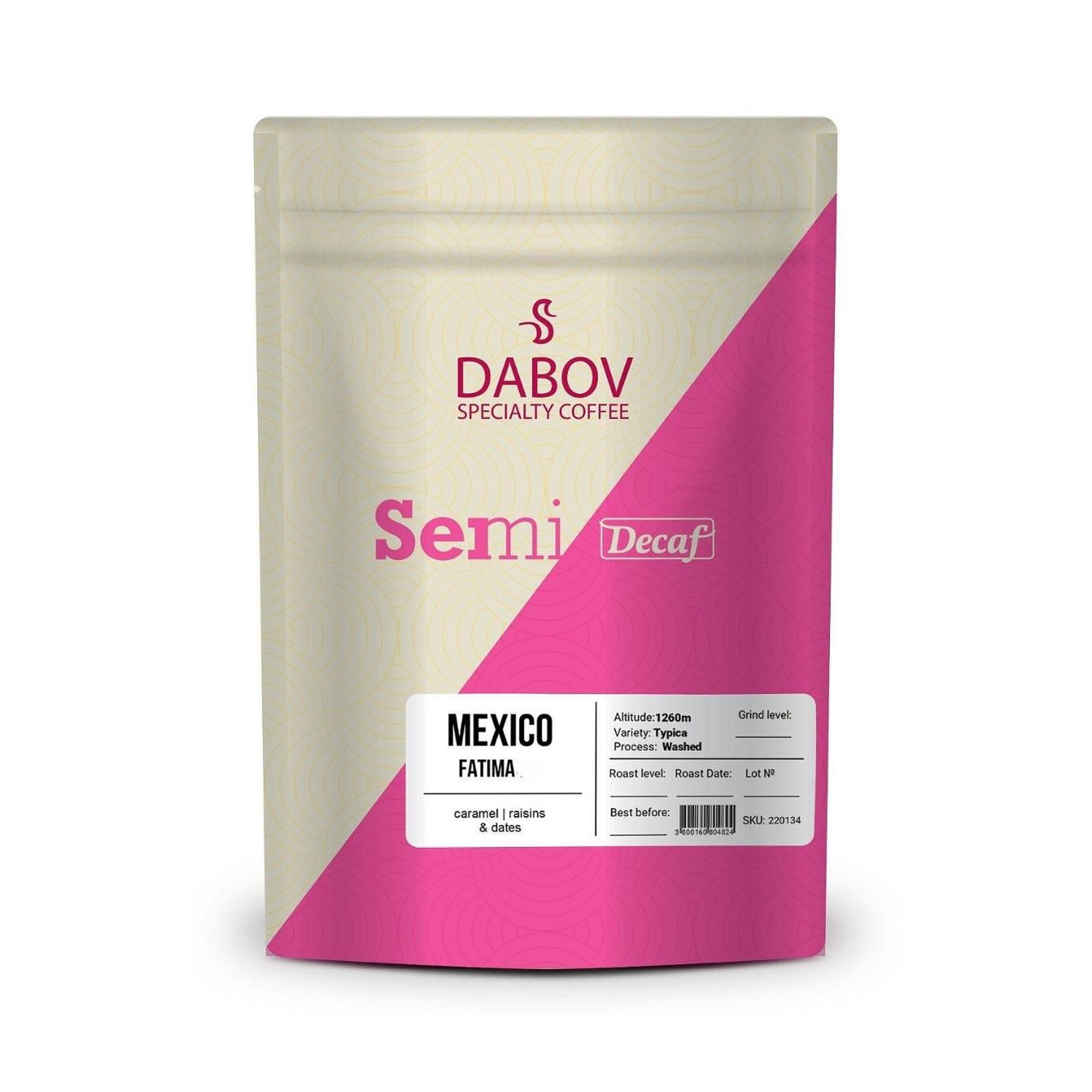
Named farm or cooperative, not just country. "Ethiopia" is not sourcing transparency. "Yirgacheffe, Kochere District — Worka Sakaro Cooperative, 2024 crop" is sourcing transparency. The cooperative or farm name is auditable; the country alone is not.
Published FOB purchase price. Some specialty roasters publish their farm-gate or freight-on-board prices. A roaster paying $6–8/lb for a washed Ethiopian Arabica is paying three to four times the Fairtrade Minimum Price. That data point is more informative than the presence or absence of a certification logo.
Lot or harvest identification. A lot number or harvest year confirms the roaster purchased a specific traceable lot. General seasonal batches are less traceable.
Multi-year relationships. Roasters who list the number of years they have purchased from a farm signal relationship continuity—the single most important variable in whether farmers can plan, invest, and improve quality.
Roast Date: The Most Underrated Sustainability Signal
Freshness is a sustainability indicator in a way that is often overlooked: coffee that sits in a distribution warehouse for 18 months before reaching a shelf wastes the entire economic and ecological investment made to produce it. Commodity coffee sold without a roast date is frequently stale. Specialty coffee sold with a roast date and a "best by" window of 60–90 days from roasting is designed to be consumed before quality degrades.
For filter and pour-over, most specialty roasters recommend consuming coffee 7–21 days post-roast for peak flavour. For espresso, 10–28 days. Beyond 30–45 days, CO2 off-gassing is largely complete and staling accelerates.
Packaging Sustainability: What to Look For
Coffee bags are notoriously difficult to recycle because most commodity bags are multilayer constructions—foil laminate bonded to polyethylene, sometimes with a kraft paper outer layer—that cannot be separated in standard municipal recycling. Several roasters have moved to more sustainable alternatives:
- Mono-material bags (single-layer polypropylene or polyethylene) are theoretically more recyclable but still depend on municipal programme acceptance
- Compostable bags (PLA-based bioplastics) require industrial composting facilities; home compostable claims are rarely validated at real-world conditions
- Reusable tins or returnable packaging programmes operated by a few specialty roasters offer the highest-impact alternative
- Kraft paper bags with compostable valve and liner are a common compromise—lower barrier performance but more recyclable
The most useful packaging question: does the roaster have a specific take-back or recycling programme? Several specialty brands (including some with Terracycle partnerships) accept used bags by mail. That is a more credible commitment than a 'sustainable packaging' claim on the front of the bag.
Sustainable Coffee Growing Practices Beyond Certifications
Certifications audit to a threshold standard. Some growing practices that indicate a genuinely regenerative farm do not have an associated certification:
Agroforestry — intercropping coffee with fruit trees, timber species, or nitrogen-fixing legumes. Increases biodiversity, improves soil carbon, and provides diversified farm income. Not always captured by certifications but detectable in origin descriptions.
No-pulp-water discharge — the wet processing of coffee cherries produces highly acidic pulpwater (aguamiel) that causes severe stream eutrophication when discharged untreated. Farms using closed-loop wet mills or dry fermentation methods avoid this problem. Look for 'water-conserving' or 'closed-loop' processing notes in origin descriptions.
Varietals that resist rust without fungicide — coffee leaf rust (Hemileia vastatrix) devastated Central American production in 2012–2013 and drives heavy fungicide use on susceptible varieties. Farms growing rust-resistant varieties like Castillo, Timor hybrids, or experimental WCR varieties reduce chemical dependency structurally, not just through organic practices.
Frequently Asked Questions
Does sustainable coffee always cost more?
Certified organic and Bird Friendly coffees typically command a $1–3 per 250 g premium over conventional alternatives at the same quality tier. The premium reflects the cost of certification audits and, in the case of organic, the input costs of alternative pest management. At the specialty tier, many coffees already trade well above fair trade and organic floor prices regardless of certification—so the marginal cost of the sustainability commitment is often smaller than it appears.
Is Rainforest Alliance the same as organic?
No. Rainforest Alliance does not require organic certification. It permits synthetic inputs as long as the most hazardous chemical classes are avoided and integrated pest management is documented. An organic coffee farm can exist without Rainforest Alliance certification; a Rainforest Alliance certified farm can use selected synthetic inputs that organic certification prohibits. They are independent standards covering different priorities.
What does 'shade-grown' mean if it is not certified Bird Friendly?
The term 'shade-grown' is unregulated—any farm with any trees can use it. The Rainforest Alliance shade standards are less demanding than Bird Friendly's. USDA Organic + Bird Friendly is the only combination that guarantees a specific shade canopy with measurable ecological criteria. An uncertified 'shade-grown' claim should be evaluated by looking at the named farm's own descriptions and any associated photography.
Can a small roaster without certification still be sustainable?
Yes. Several of the most ethically sourced coffees in the specialty market come from small roasters who lack the administrative capacity for multi-certification compliance but publish purchase prices, visit farms annually, and maintain multi-year relationships. The transparency signals described above—named origin, published price, lot identification—are a more reliable guide to sourcing ethics at the specialty tier than the presence or absence of a logo from a certifying body that charges the same audit fees regardless of the roaster's size.
The Takeaway
Sustainable coffee shopping does not require memorising every certification programme—it requires knowing which problem each label solves. USDA Organic covers chemical inputs; Bird Friendly covers the ecological canopy; Rainforest Alliance covers biodiversity and labour in an integrated standard; Fairtrade International covers the economic floor for cooperative smallholders; B Corp covers the whole-company governance of the roaster behind the bag. No single mark covers all five.
The most reliable sustainable purchase combines a recognisable third-party certification (or credible direct-trade transparency signals), a visible roast date, and a named origin that you can verify. Freshness is not separate from sustainability—a stale bag wastes every investment made to produce it ethically.
Browse our coffee bean selection to find single-origin options with full origin transparency and recent roast dates.