The Foundation: Coffee Roasting Fundamentals
Coffee roasting is a heat-driven chemical transformation that converts green coffee's dense, astringent compounds into the aromatic, soluble flavors we recognize in the cup. During roasting, green beans undergo several critical changes: moisture evaporates (green coffee contains 10–12% water), the bean expands and develops audible cracks, and complex chemical reactions generate hundreds of volatile aromatic compounds.
The roasting timeline follows recognizable milestones. The first crack—an audible popping sound occurring around 370°F—signals moisture loss and the beginning of the Maillard reaction, where amino acids and reducing sugars combine to create brown color and caramel-like flavors. The second crack, occurring near 410°F, indicates deeper Maillard development and the onset of caramelization, where sugars undergo further chemical breakdown into bitter and roasted compounds.
Traditional roasting follows a roughly linear temperature increase from green bean to finished roast. La Colombe's innovation lies in departing from this linear model, instead adjusting heat strategically to emphasize certain phases and suppress others.
La Colombe's Equipment Philosophy
La Colombe operates both vintage cast-iron roasters—many Probat models dating to the 1930s–1940s—and contemporary computer-controlled machines. This dual approach reflects a deliberate strategy: different roasters excel at different tasks.
The vintage Probat roasters offer several advantages:
- Excellent heat retention and distribution: Cast iron's thermal mass means temperature remains stable even as hot air or flame contacts beans, reducing thermal shock
- Slower, more gentle heating curves: These machines favor extended, gradual roasts that allow complex flavor development without sharp temperature spikes
- Sensory feedback priority: Roasters rely more on visual color progression, aroma development, and auditory cues from the cracks, sharpening the roaster's perceptual skills
Modern roasters bring precision advantages:
- Real-time temperature control and profiling: Digital systems record exact temperature curves, enabling reproducibility and rapid adjustments
- Data logging for quality assurance: Every roast's temperature history is stored, creating a library of profiles tied to cupping notes
- Energy efficiency: Modern roasters use less fuel and produce fewer emissions per pound
La Colombe's approach reflects a principle found in elite kitchens worldwide: the best tools are matched to specific tasks, and skill lies in knowing which tool to deploy when.
Variable Temperature Control: The Core Innovation
Variable temperature control distinguishes La Colombe's roasting from commodity approaches. Rather than holding a steady temperature increase, the roaster deliberately manipulates heat to alter flavor development.
Strategic heat management examples:
High initial temperature, then throttled heat: To quickly drive off surface moisture while preserving delicate fruit aromatics, a roaster might apply aggressive initial heat (around 450°F input temperature), then deliberately lower the roast chamber temperature as the beans reach first crack. This prevents the extended development time that can mute bright, acidic notes prized in light roasts.
Extended Maillard phase: For coffees where caramel and chocolate notes are desired, the roaster might hold the beans in the 350–380°F band for an extended period, allowing more time for amino acids and sugars to fully react before pushing toward second crack.
Post-crack manipulation: After first crack, some coffees benefit from a brief temperature increase to develop bitterness and body, while others improve with a hold phase that allows volatile aromatics to stabilize before they fragment at higher temperatures.
These adjustments can't be achieved with a fixed roasting schedule. Instead, the roaster monitors color progression, listens for crack timing, and observes how the beans respond—information that flows back into real-time heat adjustments.
Coffee Origins and Roast Profiles
La Colombe develops custom roasting profiles for specific origins, recognizing that no single approach optimizes every coffee.
Ethiopian Yirgacheffe: Known for floral and tea-like notes, Yirgacheffe benefits from a light roast with minimal dwell time above 370°F. La Colombe typically uses a quicker first-crack-to-drop sequence, preserving the coffee's bright citrus and bergamot characteristics. Overextending development would bury these delicate aromatics under roast char.
Colombian coffees: These naturally balanced coffees showcase caramel sweetness and full body when roasted to medium brown. La Colombe's profiles typically extend the Maillard phase slightly, allowing sugars to fully caramelize while avoiding the second crack that would introduce excessive bitterness. The result is a cup with pronounced sweetness but retained acidity.
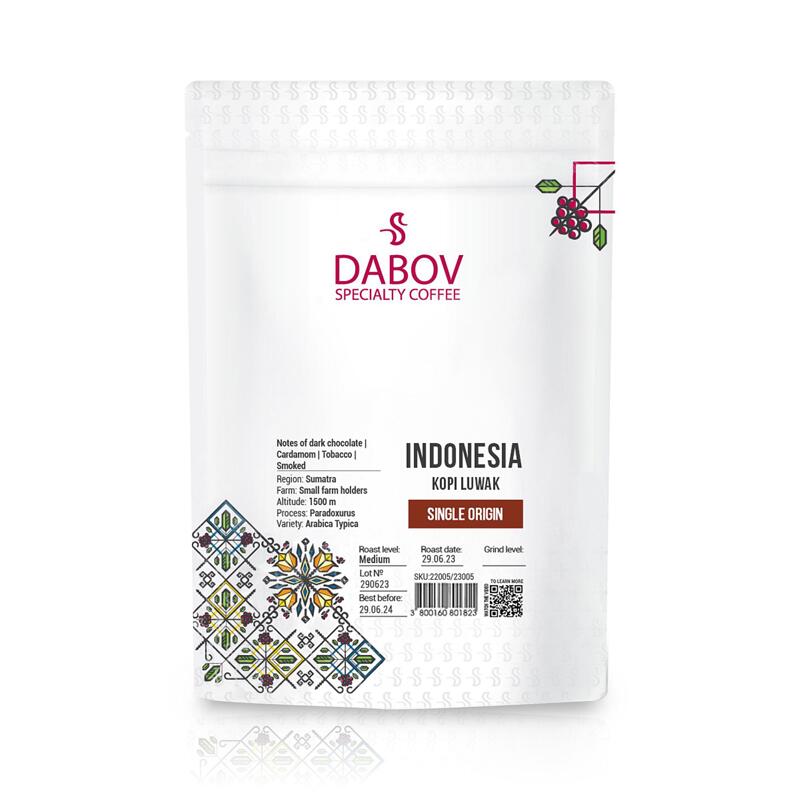
Indonesian Sumatran coffees: These are earth-forward, full-bodied coffees that tolerate—and often benefit from—darker roasting. However, La Colombe avoids the completely charred approach that many commodity roasters use. Instead, they extend development to achieve deep, complex roasted flavors while maintaining some origin character beneath the roast profile.
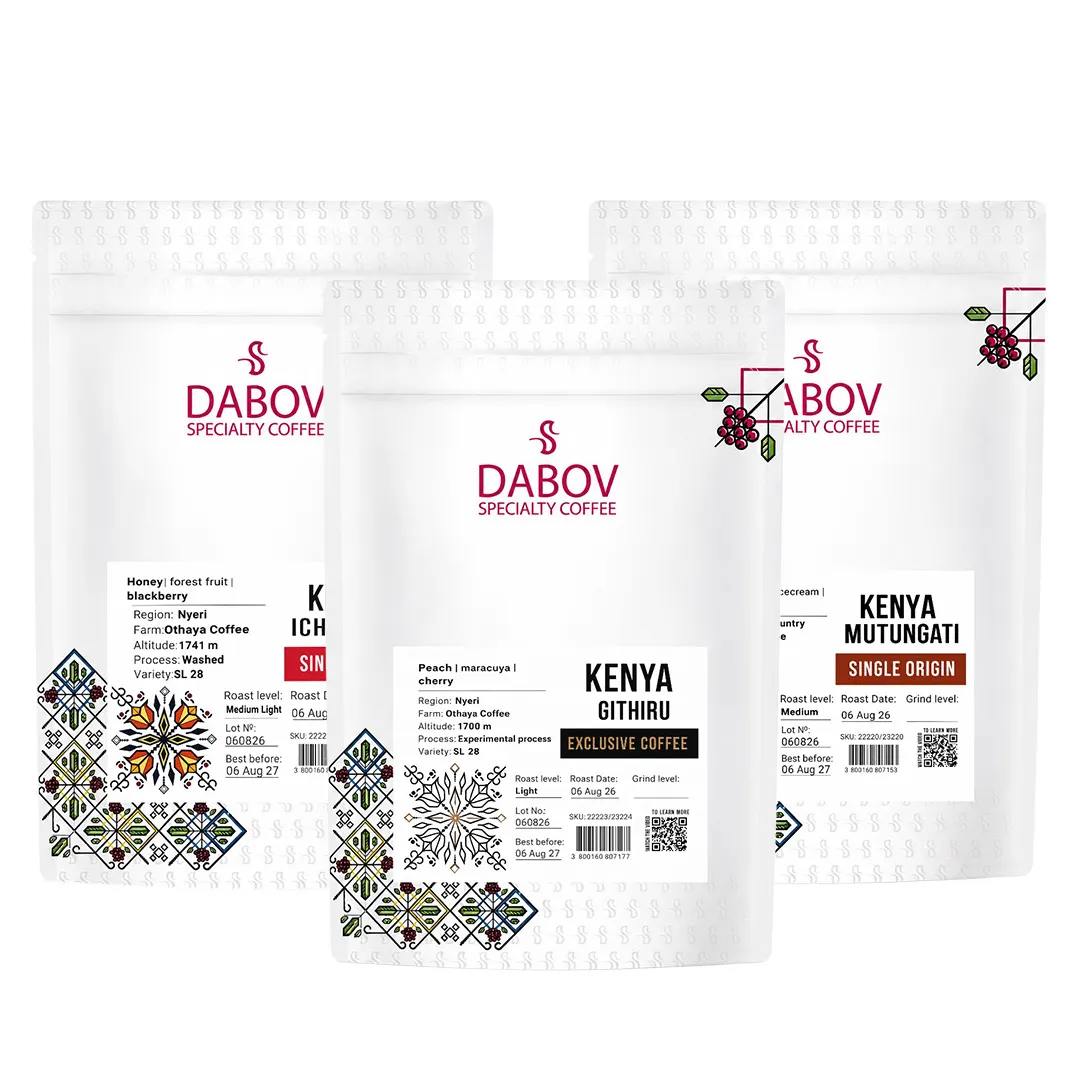
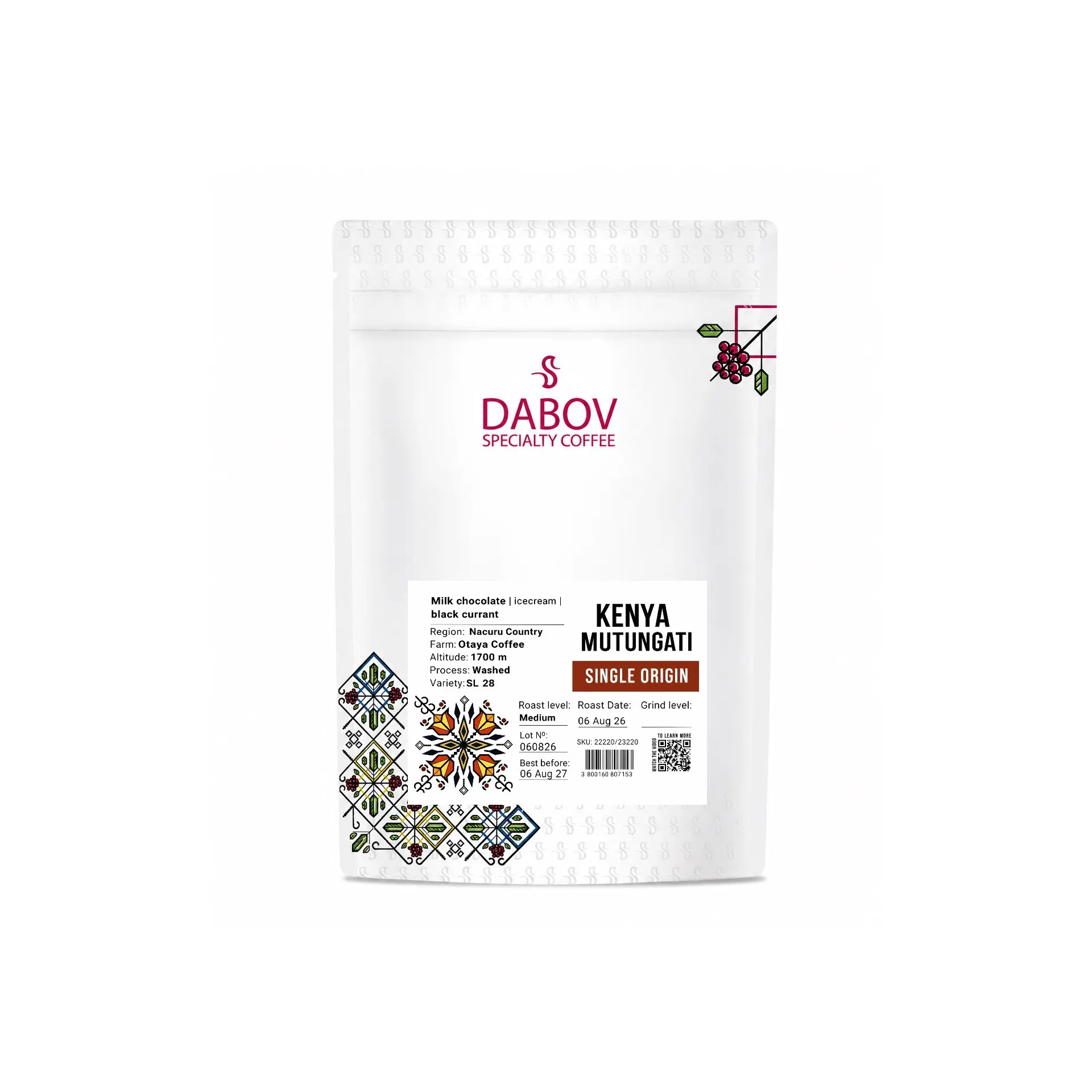
Kenyan coffees: Prized for bright acidity and complex fruit notes, these typically receive rapid heating followed by careful temperature management through first crack. The goal is achieving color change quickly (preventing muddy, flat flavors) while holding the coffee below extended second-crack development that could introduce unwanted bitterness.
Blending and Roast Strategy
La Colombe's signature blends—including the Corsica blend (Indonesian, Central, and South American coffees combined to express dark chocolate and red wine notes)—employ a component-roasting strategy. Rather than blending green beans before roasting, La Colombe roasts each origin to its optimal profile separately, then combines the finished roasts.
This approach offers several advantages:
- Each coffee reaches its ideal roast stage independent of the others' requirements
- The blend's flavor profile is more controlled and repeatable (green-bean blends are vulnerable to density and moisture variations that affect how each component roasts)
- The roaster can adjust component ratios post-roasting to fine-tune the blend's final flavor
For the Corsica blend specifically, this means the Indonesian component might reach a full second crack for deep roasted character, while the Central American component is roasted slightly lighter to preserve sweetness. The combination creates complexity impossible to achieve if all components were roasted as a single batch.
Quality Assurance Through Cupping
La Colombe's roasting refinement relies on structured cupping (coffee tasting). After each roast, beans are sampled and evaluated blind against baseline samples and against the previous week's roasts. This systematic feedback loop identifies whether a roast profile succeeded or needs adjustment.
Cupping scores for sourcing and consistency:
| Roast Profile | Clarity | Balance | Aftertaste | Consistency |
|---|---|---|---|---|
| Rushed (10 min) | Bright but thin | Underdeveloped | Short | Variable |
| La Colombe optimized | Pronounced | Harmonious | Long, clean | High |
| Over-extended (15 min) | Muted by roast char | Bitter-forward | Ashiness | Reliable but dull |
The cupping data flows back to the roastmaster, who adjusts variables for the next batch. Over time, this builds a library of profiles—documentation that ensures consistency even as multiple roasters execute the same blend.
The Sensory Experience
When you brew La Colombe coffee, the variable-roasting approach is evident. Their single-origins taste crisp and origin-forward—the Yirgacheffe tastes like the Ethiopian highlands rather than like "roasted coffee." Their blends offer complexity without heaviness; the Corsica blend expresses multiple flavor notes in sequence as you taste through the cup.
This is the opposite of commodity roasting, where fast, commodity-grade roasting produces a flat, one-dimensional profile dominated by roast character rather than origin.
Conclusion
La Colombe's roasting mastery rests on three foundations: understanding the chemistry of roast development, employing equipment that enables precise control, and using systematic cupping feedback to refine profiles continuously. Their use of variable temperature control, component blending, and origin-specific profiles demonstrates that roasting is both a science (measurable, reproducible, driven by chemistry) and an art (requiring sensory expertise, creative intuition, and adaptive decision-making). The result is coffee that showcases both the roaster's skill and the inherent quality of the beans themselves. For coffee enthusiasts seeking to understand how roasting transforms flavor potential into the cup, La Colombe's approach offers a masterclass in intentional, thoughtful coffee production.