The Science of Coffee and Food Pairing
Coffee and food pairing is both art and science. At the molecular level, the Maillard reaction—the chemical process that creates brown color and complex flavors in both roasted coffee and baked goods—naturally aligns coffee with bread, pastries, and grilled meats. A biscotti owes its nutty complexity to the same browning chemistry that darkens a roasted coffee bean. This chemical familiarity is why espresso and biscotti feel so inherently matched: they speak the same flavor language.
Beyond the Maillard reaction, pairing success hinges on understanding how coffee's acidity, body, and aroma interact with food's texture, sweetness, and richness. A bright, acidic Ethiopian pour-over cuts through creamy desserts, cleansing the palate and revealing new dimensions in both elements. A full-bodied Robusta stands up to rich, savory dishes, its heaviness complementing rather than being obliterated by intensity. These interactions are not random but follow principles rooted in flavor science and sensory perception.
European Traditions: Coffee Culture as Ritual
Italy: Espresso and Biscotti
In Italy, coffee pairing is inseparable from coffee ritual. Espresso, a concentrated shot of coffee extracted under pressure, is the foundation of Italian coffee culture. Its intensity—bold, bitter, with a thick crema—demands a companion that will not be overwhelmed. Enter biscotti, twice-baked almond cookies specifically designed to be dipped into espresso.
Biscotti are intentionally hard and crunchy; when dipped into hot espresso for 2–3 seconds, they absorb the coffee and soften slightly, releasing their subtle almond flavor while imparting a delicate crunch. The espresso's bitterness is balanced by the biscotti's sweetness and nuttiness, creating a harmonic blend of flavors and textures. This pairing is not merely practical—it's a ritualized moment of daily life in Italy, often enjoyed as a meditative pause during a busy morning or afternoon.
Beyond biscotti, Italians pair espresso with cannoli (crispy pastry tubes filled with sweet ricotta and chocolate), amaretti (almond meringue cookies), and even panettone (enriched Christmas bread). The common thread: cookies and pastries with enough sweetness and density to complement espresso's intensity without capitulating to it.
France: Café au Lait and Croissants
In France, café au lait—a 1:1 blend of strong brewed coffee and hot steamed milk—paired with a butter croissant represents the quintessential breakfast or mid-morning pause. This pairing is about balance and comfort rather than contrast.
The café au lait is smoother, less intense than espresso, with the milk rounding out coffee's sharp edges while retaining subtle bitterness. The croissant, with its hundreds of butter-and-dough laminations creating flaky, delicate layers, offers buttery richness and a slightly sweet crumb. The pairing works because neither element overpowers; instead, they create a sensory dance. The coffee's acidity cuts through the butter's richness, cleansing the palate between bites. The croissant's warmth and butter soften the coffee's edge. The ritual—dunking or simply sipping—is as important as the flavor combination itself, embodying the French philosophy of savoring time.
This pairing has endured because it achieves what French culinary tradition values: simplicity, quality ingredients, and mindful consumption.
Asian Innovations: Modern Meets Traditional
Vietnam: Cà Phê Sữa Đá and Bánh Mì
Vietnamese coffee culture is boldly unconventional. Cà phê sữa đá (iced coffee with sweetened condensed milk) paired with bánh mì (Vietnamese banh mi sandwich: French-influenced bread stuffed with pâté, pickled vegetables, cilantro, and chili) represents a collision of colonial history, indigenous ingredients, and modern-day innovation.
The coffee is dark-roasted, strong, and made using a traditional phin (a simple metal filter that brews coffee slowly, drop by drop, directly into a glass). The sweetened condensed milk adds richness, bitterness, and sweetness in equal measure. This thick, intense coffee cuts through the bánh mì's complexity: the richness of pâté, the brightness of pickled vegetables, the heat of chili, and the textural crunch of crispy bread. The result is neither gentle nor refined—it's a boldly assertive pairing that reflects Vietnamese culinary confidence.
Vietnamese coffee culture demonstrates that pairing conventions are cultural constructs, not absolutes. What might seem incongruous (iced sweet coffee with savory sandwich) becomes inevitable when embedded in tradition and executed with intention.
Ethiopia: Bunna and Popcorn
In Ethiopia, the birthplace of coffee, bunna (a traditional coffee ceremony) is both beverage and social ritual. Beans are roasted over an open flame, ground by hand, and brewed in a jebena (a clay pot) with spices like cinnamon and clove. The resulting coffee is fragrant, bold, and ceremonial.
Bunna is traditionally paired with popcorn—not gourmet popcorn, but simple air-popped corn tossed with salt. This pairing seems austere, but it's precisely calibrated. The popcorn's crunch and salt provide textural contrast and a salty element that amplifies coffee's fruity, floral notes (which are prominent in Ethiopian coffees like Yirgacheffe or Sidamo). The popcorn is not a flavor complement but a sensory cleanser and palate-neutral carrier that allows the coffee's inherent aromatics to shine. This pairing reflects Ethiopian tradition: reverence for coffee's flavor, simplicity in accompaniments, and focus on ritual over indulgence.
Africa: Heritage Origins and Bold Combinations
Kenya: Nyama Choma and Kenyan Arabica
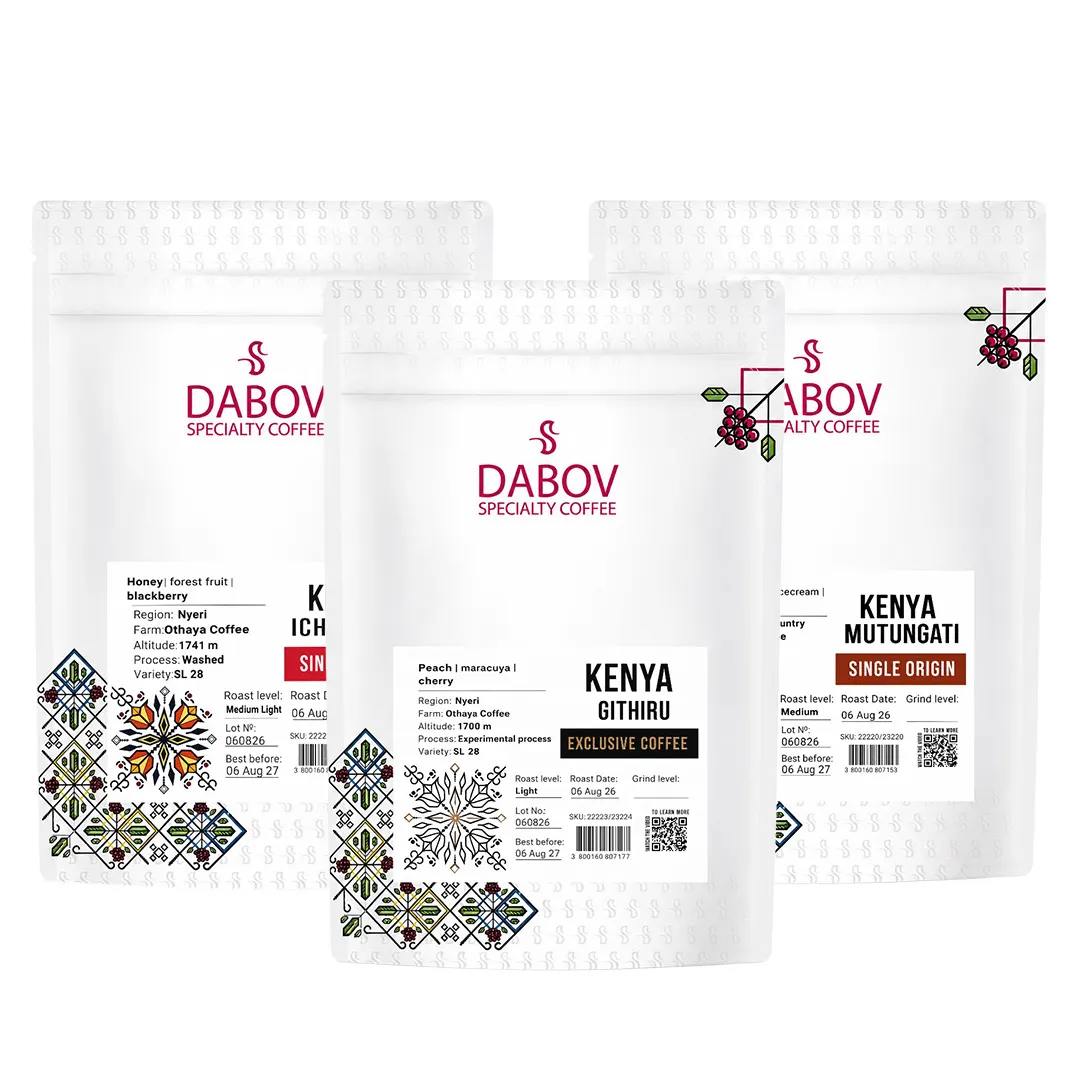
Kenyan coffee, known for its wine-like acidity, berry notes, and full body, pairs exceptionally with Nyama Choma (grilled meat—typically beef or goat). The pairing is straightforward: bright acidity cuts through the richness of grilled meat, while the coffee's body stands firm against savory boldness. Kenyan coffees like those from Kirinyaga or Nyeri districts deliver berry-forward profiles that echo the charred, juicy quality of perfectly grilled meat. This is not a sweet pairing but a savory, primal one—coffee as a complement to sustenance rather than indulgence.
The Global Pairing Framework
Principles of Success
Acidity as Cleanser: High-acidity coffees (African origins, light roasts) cut through fat and richness. Pair these with butter pastries, cream-based desserts, or fatty meats.
Body as Support: Full-bodied coffees (Robusta, Indonesian, dark roasts) stand up to bold, rich, or savory foods. Use them with hearty breads, dark chocolate, or strong cheeses.
Aroma as Bridge: Aromatic coffees (floral Ethiopians, fruity Central Americans) pair well with foods that echo their signature notes. Ethiopian coffees with berry notes match berry pastries; coffees with jasmine hints complement floral desserts.
Temperature Synergy: Hot coffee with warm pastries creates sensory alignment. Cold brew with ice cream offers textural and temperature contrast that refreshes the palate.
Building Your Own Pairing Practice
Tasting Framework
- Brew two cups of the same coffee with the same parameters. Taste the first plain, noting acidity, body, sweetness, and aroma.
- Taste a bite of your chosen food and notice how its flavors change your palate.
- Take another sip of coffee and evaluate how the food influenced your perception of the coffee.
- Reverse: taste the food first, then the coffee, to observe different sensory sequences.
- Document your findings: Which pairing worked? Why? Would you adjust the roast level, brewing method, or food choice?
Experimental Pairings Worth Trying
Light Roast Pour-Over + Lemon Tart: The coffee's bright acidity and floral notes amplify the tart's citrus and sugar without overwhelming it. The pastry's richness softens the coffee's edge.
Dark Roast Espresso + Dark Chocolate (85% Cacao): Both are intensely bitter; together they create a bold, sophisticated experience. The chocolate's sweetness and cocoa butter temper the espresso's harshness.
Fruity, Naturally Processed Yirgacheffe + Mango Cheesecake: The coffee's berry and tropical notes echo the cheesecake's fruit element, while its acidity cuts the cream cheese's richness.
Monsooned Malabar + Aged Gouda: The coffee's earthy, woody notes and heavy body pair with the cheese's umami depth and nuttiness. Both improve with age and develop complexity.
Filter Brew Kenyan AA + Smoked Salmon on Rye: The coffee's wine-like acidity and berry notes contrast the salmon's richness while echoing its subtle sweetness. The rye's earthiness grounds the pairing.
| Coffee Profile | Flavor Notes | Ideal Food Pairings | Why It Works |
|---|---|---|---|
| Light Roast, High Acidity | Floral, fruity, bright | Citrus pastries, light desserts, fresh fruit | Acidity cuts richness; aroma echoes fruit |
| Medium Roast, Balanced | Chocolate, nuts, caramel | Butter cookies, almond cake, toffee | Flavor resonance; similar roasted notes |
| Dark Roast, Full Body | Bitter, earthy, smoky | Dark chocolate, aged cheese, grilled meats | Body supports boldness; shared roasted depth |
| Natural Process, Fruity | Berry, tropical, jammy | Fruit tarts, berry desserts, honey cake | Flavor amplification; sweet complement |
| Robusta, Heavy-Bodied | Earthy, woody, peppery | Savory pastries, sharp cheeses, dark bread | Body stands against boldness |
Conclusion: From Tradition to Innovation
Regional coffee and food pairings are not prescriptive rules but cultural expressions refined over centuries. The Italian espresso and biscotti, the French café au lait and croissant, the Vietnamese cà phê sữa đá and bánh mì, and the Ethiopian bunna and popcorn each reflect their region's coffee history, agricultural output, and culinary values. Yet these traditions are not static. Modern specialty coffee culture invites reimagining: cold brew with unexpected flavors, single-origin coffees paired with global cuisines, and intentional experimentation that honors both coffee and food.
Your pairing practice begins with understanding the principles—acidity, body, aroma, balance—and ends with your personal preference. Brew a coffee you respect, choose a food that intrigues you, and pay attention. Does the coffee enhance the food, or the food enhance the coffee? Do they amplify each other or create contrast? Document what works and why, and build your own repertoire of pairings that reflect your palate and traditions.
The world's coffee cultures invite you to taste locally and globally, to honor tradition and experiment boldly. Start with the iconic pairings outlined here, then craft your own.
Explore our range of single-origin coffees to discover the flavor profiles that inspire your best pairings.
Frequently Asked Questions
Can I pair coffee with savory foods, not just desserts?
Absolutely. Coffee's acidity and bitterness complement savory dishes as effectively as sweet ones. Bright coffees pair well with salads and fish; full-bodied coffees suit grilled meats and umami-rich foods. The key is matching intensity, not flavor category.
What's the best coffee to pair with chocolate?
Dark chocolate pairs best with dark roasts (espresso or French roast) that share its bitter, earthy character. Medium-roast coffees with chocolate notes (Sumatran, Brazilian) echo dark chocolate's depth. Light roasts don't typically pair well with dark chocolate because the acidity overpowers the chocolate's subtlety.
Should I pair coffee with food that has similar or opposite flavors?
Both work, but differently. Similar flavors (fruity coffee with berry dessert) create resonance and amplification. Opposite flavors (acidic coffee with rich, fatty food) create balance and contrast. Experiment with both to discover your preference.
How does water temperature affect pairing success?
Brewing temperature influences coffee's perceived acidity, body, and sweetness. Hotter water extracts more acidity and bitterness; cooler water yields a lighter, sweeter cup. Adjust brewing temperature to complement your chosen food's intensity and richness.
Can I pair coffee with wine-pairing-friendly foods?
Yes. Foods traditionally paired with wine (aged cheese, charcuterie, dark chocolate) also pair exceptionally well with coffee. Both beverages have tannins, acidity, and complexity. In fact, some foods pair better with coffee than wine—grilled meats benefit from coffee's acidity in ways wine cannot match.