The Coffee Economy: Why Your Dollar Matters
Coffee prices are notoriously volatile. In 2019, the global price of Arabica beans fell below production costs in many regions—meaning coffee farmers were literally losing money on every pound they harvested. A farmer in Ethiopia or Guatemala had no choice but to continue picking or abandon their crop and land.
That's where consumer choices intervene. When you pay a premium for fair trade or direct-trade coffee, you're short-circuiting commodity markets and inserting a floor beneath farmer income. The economics are straightforward:
- Commodity market price (typical): $1.00–1.50/lb
- Fair Trade minimum: $1.40/lb + $0.20 social premium (total $1.60/lb minimum)
- Single-origin specialty: $2.00–4.00+/lb
- Direct-trade premium: $2.50–5.00+/lb with long-term contracts
This isn't charity. Specialty coffee offers higher quality beans. Farmers invest in careful harvesting, better fermentation, and traceability when they're guaranteed a buyer and a price that covers their work.
Understanding Coffee Certifications
Walking down the coffee aisle is overwhelming. A single bag might display five logos. What do they actually mean?
Fair Trade USA and Fair Trade International
Fair Trade guarantees a minimum price and promotes direct relationships between buyers and farmer cooperatives, bypassing middlemen. The farmer receives the minimum price, plus a social premium (typically $0.20/lb) that the cooperative directs toward community projects—schools, clean water infrastructure, women's leadership training.
What it covers: Price floors, labor standards, environmental practices (some).
What it doesn't: Single-farm verification; medium-sized farms or individual smallholders may be certified but less visible in supply chain.
Cost impact on retail: 10–20% premium for fair trade coffee.
Best for: Buyers wanting a clear, audited guarantee that money reaches farmers and cooperatives.
Rainforest Alliance
Rainforest Alliance focuses on environmental stewardship, wildlife habitat, and worker protection. Certified farms must meet rigorous ecological standards: preserve forest cover, manage water responsibly, limit agrochemical use, and ensure fair wages and safe working conditions.
What it covers: Biodiversity, water quality, soil health, worker welfare.
What it doesn't: Price guarantees (unlike fair trade). Environmental standards without income security.
Cost impact on retail: 5–15% premium.
Best for: Environmentally conscious buyers who prioritize habitat protection.
Bird Friendly (Smithsonian Migratory Bird Center)
Bird Friendly is the most stringent certification—a subset of organic that requires shade-grown coffee under a diverse canopy of native trees. These farms are certified bird habitats.
What it covers: Organic farming + biodiversity + shade-tree diversity + soil health.
What it doesn't: Price premiums (though Bird Friendly coffee typically commands higher prices due to quality and ethics).
Cost impact on retail: 20–40% premium for high-quality Bird Friendly beans.
Best for: Coffee buyers who care about bird migration and willing to pay for premium quality with measurable ecological benefit.
USDA Organic
Organic means no synthetic pesticides, herbicides, or fertilizers. Coffee grown organically relies on composting, natural pest management (like companion planting), and soil-building practices.
What it covers: Pesticide/herbicide prohibition, soil health, ecosystem protection.
What it doesn't: Price protection or labor standards. A farm can be organic yet pay workers poorly or use exploitative practices.
Cost impact on retail: 15–25% premium.
Best for: Health-conscious buyers and those concerned about chemical runoff in coffee-growing regions.
Direct Trade
Direct trade is less standardized than Fair Trade but often offers higher premiums. A roaster works directly with a farmer or small cooperative, eliminating middlemen. The roaster commits to multi-year purchasing agreements and pays significantly above commodity prices—often $3.00–5.00+/lb.
What it covers: Long-term income security, supply chain transparency, direct relationship.
What it doesn't: Third-party certification (though many direct-trade farmers are also organic or fair trade certified). Standardized auditing.
Cost impact on retail: 20–50% premium for single-origin direct-trade beans.
Best for: Specialty coffee buyers who value traceability and willingly pay the highest premiums.
Reading Labels and Spotting Greenwashing
Not all coffee labeled "sustainable" or "ethical" is equally rigorous. Greenwashing—making vague claims without audited proof—is rampant.
Red Flags
- "Sustainably sourced" without a specific certification.
- "Ethically traded" with no third-party verification.
- "Eco-friendly" with no detail on farming practices.
- "Farmer-friendly" without price data or cooperative names.
Green Lights
- Named certifications: Fair Trade, Rainforest Alliance, Bird Friendly, USDA Organic with logos.
- Origin transparency: Specific farm names, regions, or cooperative names (e.g., "Yirgacheffe, Kochere Woreda, Ejersa Kore Cooperative").
- Price transparency: Roasters that publish what they pay farmers.
- Traceability: Roasters that can tell you the farmer's name and story.
| Certification | Price Floor | Farmer Verification | Environmental | Best For |
|---|---|---|---|---|
| Fair Trade USA | Yes ($1.40/lb min) | Cooperative audited | Moderate | Income security + transparency |
| Rainforest Alliance | No | Farm audited | Strong | Habitat + worker protection |
| Bird Friendly | No | Farm audited (stricter) | Strongest | Biodiversity + quality |
| USDA Organic | No | Farm audited | Moderate | Chemical-free |
| Direct Trade | Negotiated (usually $3+/lb) | Roaster relationship | Varies | Traceability + premium |
The Real Economics: How Your Purchase Flows
When you buy a $12 bag of fair trade coffee, where does the money go?
Retail price: $12.00
- Roaster profit: ~$3.00
- Roaster operating costs (labor, rent, utilities): ~$4.00
- Wholesale to roaster: ~$5.00
That $5.00 to the importer/distributor:
- Importer margin: ~$1.50
- Cost of green beans and logistics: ~$3.50 (farm gate price + shipping + handling)
At the farm gate (~$3.50 per pound of green beans):
- Fair Trade minimum ensures at least $1.40 of this goes to the farmer (guarantee)
- Fair Trade social premium adds $0.20 to cooperative fund
- Processing, drying, quality control cost: ~$1.50
- Farmer net income: $1.60–$2.00/lb of green coffee
For a small farmer harvesting 10,000 lbs of raw coffee cherry (which yields ~2,000 lbs of green coffee after processing), fair trade certification means $3,200–4,000 guaranteed income—life-changing on a subsistence farm.
Case Studies: Consumer Choices in Action
Ethiopia's Yirgacheffe: Shade-Grown Success
In 2010, a coalition of Ethiopian farmers began transitioning to shade-grown practices in response to buyer (Specialty Coffee Association and cooperatives) interest in Bird Friendly certification. The result: 30% increase in biodiversity on farms, 20% improved coffee cup scores, and premium prices ($3.00+/lb vs. $1.50 commodity price). Farmer income increased 40% within five years. Consumer demand for transparent, traceability-focused Ethiopian coffee funded this transition.
Guatemala's Huehuetenango: Organic Conversion
Small-scale farmers in this highland region converted to organic practices in the early 2000s, driven by fair trade buyers willing to pay premiums during the transition period (when yields initially drop). Today, the cooperative exports 500,000+ lbs annually at premium prices, using fair trade premiums to fund school improvements and women's co-op ventures. This success wouldn't have occurred without buyers specifically seeking organic, fair trade beans.
Colombia's Women-Led Cooperatives
When specialty roasters in North America began marketing "women-produced" coffee from Colombian Cauca region, sales exploded. Cooperatives led by and for women received 50% more orders in year one. Revenue increase funded women's leadership training and agricultural education. The incentive: consumers voting with wallets for gender equity created market pull that cooperatives could monetize.
Actionable Purchasing Strategies
1. Buy Certified When Possible
Look for Fair Trade, Rainforest Alliance, or Bird Friendly logos. If a bag displays one of these, you have assurance that your purchase met a standard. Don't assume lack of certification means poor practices—small farmers sometimes can't afford certification costs—but certification is a transparent guarantee.
2. Favor Direct-Trade and Single-Origin
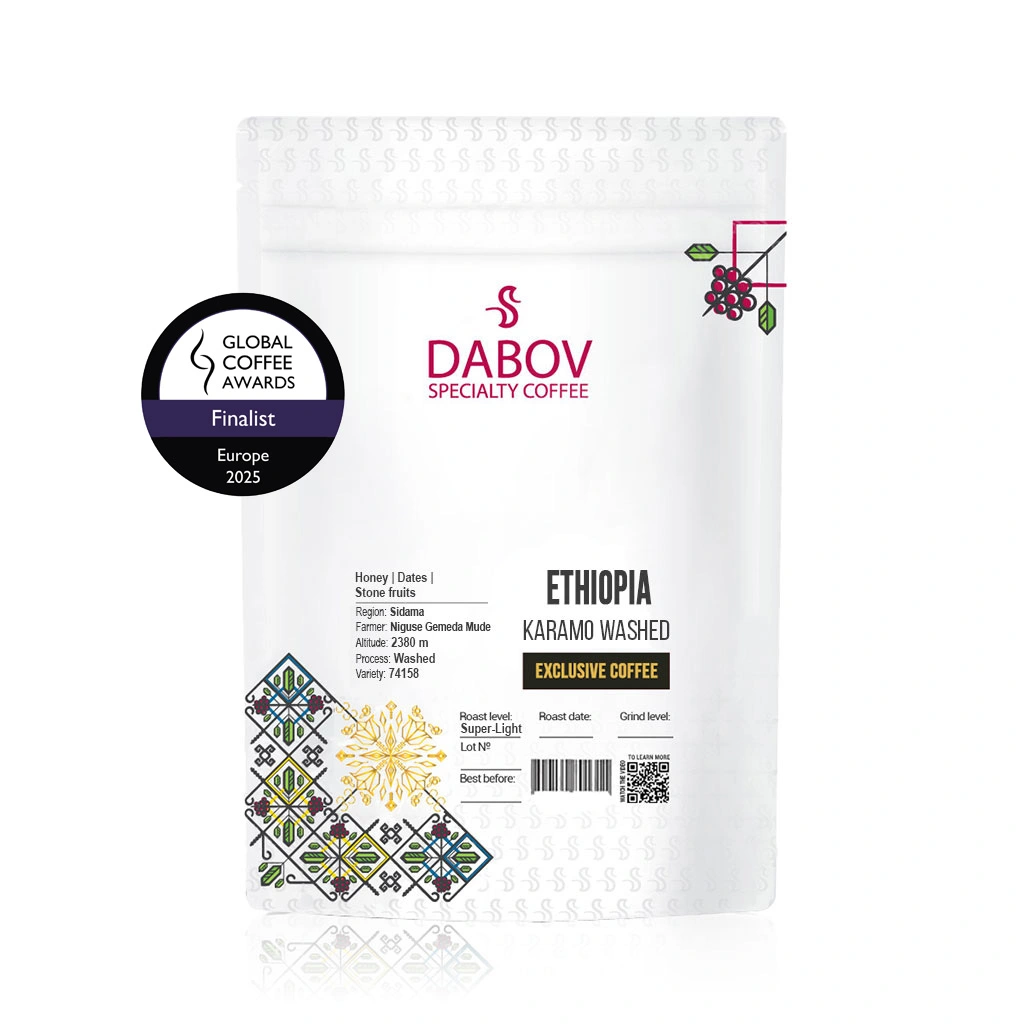
Direct-trade roasters often publish exactly what they pay farmers. Single-origin coffee (from one farm or cooperative) is more traceable than blends. Scrutinize the roaster: do they name the farm, the farmer, or the cooperative? Can they tell you the altitude, processing method, and flavor notes? Transparency is correlated with ethical practices.
3. Buy from Roasters with Published Sourcing Practices
Roasters like Intelligentsia, Counter Culture, and Blue Bottle publish sourcing policies and pay transparency. Smaller, local roasters often have direct relationships you can discuss in person. Ask: "Where do your beans come from? What do you pay farmers?"
4. Prioritize Subscription Services from Ethical Roasters
Subscriptions lock in orders, giving farmers predictable demand and income. Many ethical roasters offer subscriptions at 10% discount and rotate single-origin selections. This approach supports farmer planning while saving you money.
5. Join a Coffee Cooperative or CSA
Some communities have coffee buying cooperatives that pool orders to reduce cost while supporting fair trade farmers. These work like food CSAs: you buy a share, receive seasonal coffee, and your collective purchasing power funds farmer premiums.
6. Avoid Single-Serve Pods Unless Compostable or Refillable
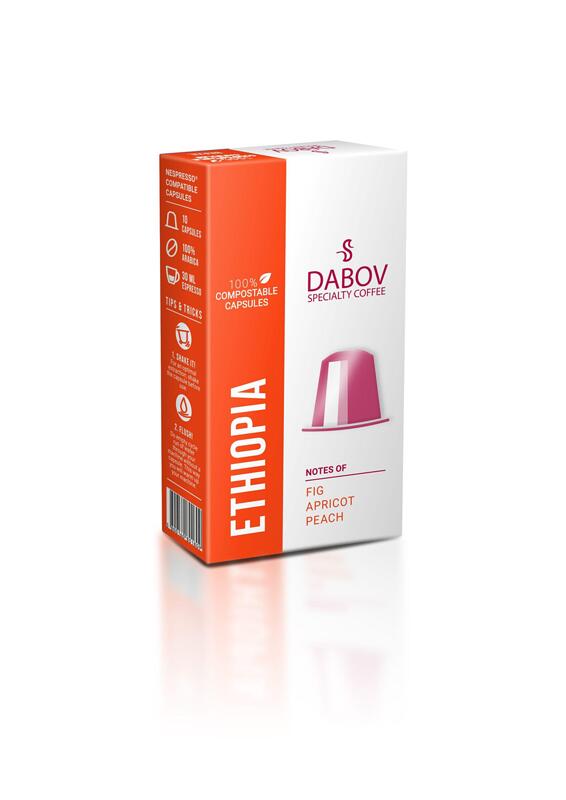
K-cups and Nespresso capsules create massive waste (billions per year globally). If you must use pods, choose compostable options or machines compatible with refillable pods. Better: use a reusable capsule and fill with beans from an ethical roaster.
7. Calculate Your True Cost
Craft coffee at home costs $0.50–1.50/cup. A specialty coffee subscription might be $20/month for 5–6 oz bags ($2–3/cup). Cafe coffee runs $3–5/cup. Premium direct-trade at home is still cheaper than occasional cafe visits, and every dollar reaches farmers instead of commercial chains.
The Limits of Individual Consumer Power—and How to Amplify It
One caveat: individual purchasing is necessary but insufficient. A single person's fair trade coffee choice doesn't change global coffee economics. But collective consumer behavior does.
When thousands of specialty coffee shops demand fair trade, the volume is large enough that commodity traders and large roasters respond. Starbucks' 2021 commitment to source 99.5% responsibly harvested coffee came after decades of consumer pressure. That scale matters.
Here's how to amplify your impact:
- Share information: Tell friends about fair trade premiums and certifications. Social proof drives adoption.
- Vote with volume: If you enjoy a roaster's ethical practices, become a regular. Frequency of purchase signals market demand.
- Write to brands: If a coffee brand claims sustainability without proof, ask questions. Demand accountability.
- Support local roasters publicly: Leave reviews, refer friends, attend their cuppings. Local roasters are typically more transparent about sourcing and more responsive to community input.
- Advocate for policy: Support local and national policies that incentivize sustainable farming (tax breaks for fair trade retailers, carbon credits for shade-grown coffee, etc.).
Frequently Asked Questions
Is fair trade coffee always high quality?
No. Fair Trade is a social/economic standard, not a quality standard. A fair trade coffee can be mediocre while a non-certified single-origin can be exceptional. Look for both: fair trade certification + high cup scores from roaster reviews. Many specialty roasters seeking direct trade partners explicitly choose farms with excellent quality.
Why is organic coffee more expensive?
Organic farming is labor-intensive (manual weeding instead of herbicides) and yields are initially lower during conversion. Certification and testing add cost. Organic coffee also tends to come from specialty producers prioritizing quality, so higher price reflects both method and origin prestige.
Can I trust roasters' claims about paying farmers?
Asking for specifics is fair. Request: farm names, prices paid, contract terms. Transparent roasters provide this freely. Vague responses are a red flag. Third-party certifications (Fair Trade, Rainforest Alliance) add a verification layer, but roasters publishing specific prices are usually credible.
What if fair trade coffee isn't available where I live?
Prioritize: organic, then direct-trade (if the roaster explains their sourcing), then choose based on roaster reputation. Buy online if local options are limited. Even imperfect choices signal market demand that eventually reaches local retailers.
Does the price premium actually reach farmers?
With Fair Trade and reputable direct-trade roasters: yes, verifiably. With vague "ethically sourced" labels: unclear. Request proof. Fair Trade publishes farmer payments; direct-trade roasters should too. Roasters that won't disclose are likely not passing premiums through.
Conclusion
Your coffee purchase is a vote. It tells farmers, roasters, importers, and retailers what you value: low cost, convenience, quality, environmental protection, or farmer welfare. Most of us can't afford to optimize all dimensions every time. The goal is consistency: favor fair trade and certified coffees when budget allows, support transparent roasters, and resist greenwashing.
The coffee industry's shift toward sustainability isn't inevitable; it's driven by consumer choices and collective demand. Every bag of fair trade coffee you buy increases volume, lowers costs for that certification, and signals to commodity traders that the market is moving. Over time, that pressure works. Rwandan coffee was nearly extinct after genocide; today, Rwanda is a global specialty coffee exporter, driven by buyer interest in traceability and direct trade.
Start with certification labels you trust. Move to single-origin, traceable coffee. Ask your roaster questions. And when you find a roaster doing good work—paying farmers transparently, prioritizing quality, and publishing their practices—become a loyal customer. Consistency of purchase, more than dramatic one-time gestures, funds systemic change.