The Global Coffee Market: Scale and Structure
Production Concentration and Global Leaders
Coffee production is concentrated geographically. Brazil alone produces ~35 million bags (60 kg each) annually—roughly one-third of global supply. Vietnam (12–15 million bags, mostly Robusta), Colombia (12–14 million bags), Indonesia (8–10 million bags), and Ethiopia (7–8 million bags) round out the top five.
This concentration means one bad harvest can reverberate globally. The July 2021 frost in Brazil's Minas Gerais and São Paulo states damaged 30–40% of the crop, pushing ICE Arabica futures to $2.20/pound—the highest in 7 years. Producers worldwide benefited from higher prices; consumers saw café espresso jump $0.50–$1.00 per shot.
On the roasting and retail side, consolidation is even sharper. JAB Holding (a secretive Luxembourg investment firm) owns Caribou Coffee, Peet's, Intelligentsia, Stumptown, and numerous other brands across 20+ countries. Nestlé controls Nescafé (instant) and Nespresso (pods). Starbucks operates ~30,000 locations globally.
This bifurcation creates two distinct competitive arenas:
- Commodity market: Millions of tons of undifferentiated beans traded on the Intercontinental Exchange (ICE), where price is the only variable.
- Specialty market: Tens of thousands of tons of traceable, high-cupping-score coffees sold at 2–10x commodity prices, where origin story and quality are paramount.
Major Players and Their Strategies
Starbucks dominates out-of-home consumption globally. It uses pricing power strategically: raising prices 3–5% annually, often citing input costs (labor, rent, commodity swings). In 2022, Starbucks raised prices 10%+ in North America, compressing margins but maintaining profitability. Its strategy is less about commodity hedging and more about brand premium—customers pay for the "third place" experience, not just the coffee.
Nestlé dominates at-home consumption through Nescafé instant, K-Cup pods, and private-label ground coffee. It buys 400,000+ tons annually and uses scale to negotiate commodity prices. Nespresso (its premium pod brand) occupies a middle ground, offering convenience at $0.80–$1.20/cup vs. Starbucks' $5–$6/cup for similar brew quality. Nespresso uses direct sourcing (AAA Sustainable Quality Program) partly for marketing, partly to ensure supply chain stability.
JAB Holding's brands (Peet's, Intelligentsia, Stumptown) compete in the third-wave specialty segment. These brands emphasize origin transparency, direct trade relationships, and light roasting. They pay $1.50–$3.00/pound for green beans vs. $0.70–$1.20 for commodity Arabica. Their margin strategy relies on volume among younger, affluent consumers willing to pay $8–$10/cup.
Small specialty roasters (<10 employees, often single locations) focus hyperlocal marketing and rotating single-origins. Prices range $18–$26/12oz (roughly $1.50–$2.15/oz), compared to Starbucks' $15–$18/12oz. They compete on freshness, sourcing story, and community, not price. Survival depends on capturing local market share before a Starbucks or boutique chain opens nearby.
Price Competition Across Market Segments
Commodity vs. Specialty Price Decoupling
Commodity coffee (non-specialty, undifferentiated Arabica and Robusta) is traded on the ICE Futures exchange in New York. The daily "C price" (cents per pound) reflects global supply-demand expectations.
Historical C price range (2010–2024): $0.42/pound (2001, post-quota collapse) to $2.30/pound (2011, after Brazil drought; 2021, after frost).
Retail ground coffee at supermarkets typically costs $0.40–$0.70/oz, implying ~$6.40–$11.20/pound retail. This 8–15x markup covers processing, roasting, packaging, distribution, retail margin, and waste.
Specialty coffee (85+ cupping score from Specialty Coffee Association): Auctions and direct sales show $1.50–$4.00/pound green (commodity is $0.70–$1.50). Some exceptional lots—reserve Geishas, Cup of Excellence winners—fetch $50–$350/pound at auction. A roaster buying Geisha at $75/pound might sell roasted coffee at $45/6oz ($120/pound retail), justifying premium pricing through rarity and quality.
The decoupling accelerated post-2020. COVID shifted consumption from cafés (out-of-home) to home brewing. Home enthusiasts gravitated toward quality—subscriptions to Blue Bottle, Intelligentsia, Onyx—even as instant coffee and cheap supermarket bags stagnated. This bifurcation continues: specialty grows 5–8% annually; commodity stagnates.
Direct Trade vs. Broker Networks
Commodity buyers source through importers, who source from exporters, who buy from cooperatives of smallholders. Each middleman takes 10–15% margin. A $1.00/pound commodity payment to a coop means the farmer net ~$0.70–$0.85/pound after broker, transporter, exporter cuts.
Direct trade roasters visit farms, negotiate directly with producers or farm associations, and bypass brokers entirely. Roasters pay $1.50–$3.50/pound directly to the producer. For specialty coffee (high-altitude, careful harvesting), this 50–200% premium reflects real quality differences.
Direct trade's transparency benefits both roasters and producers:
- Roasters understand exactly where beans come from and can tell customers compelling stories ("sourced directly from Miguel's 5-hectare farm in Huila, Colombia, hand-picked at 2,200 meters").
- Producers receive stable, premium prices and often secure contracts for next season, reducing income volatility.
Examples:
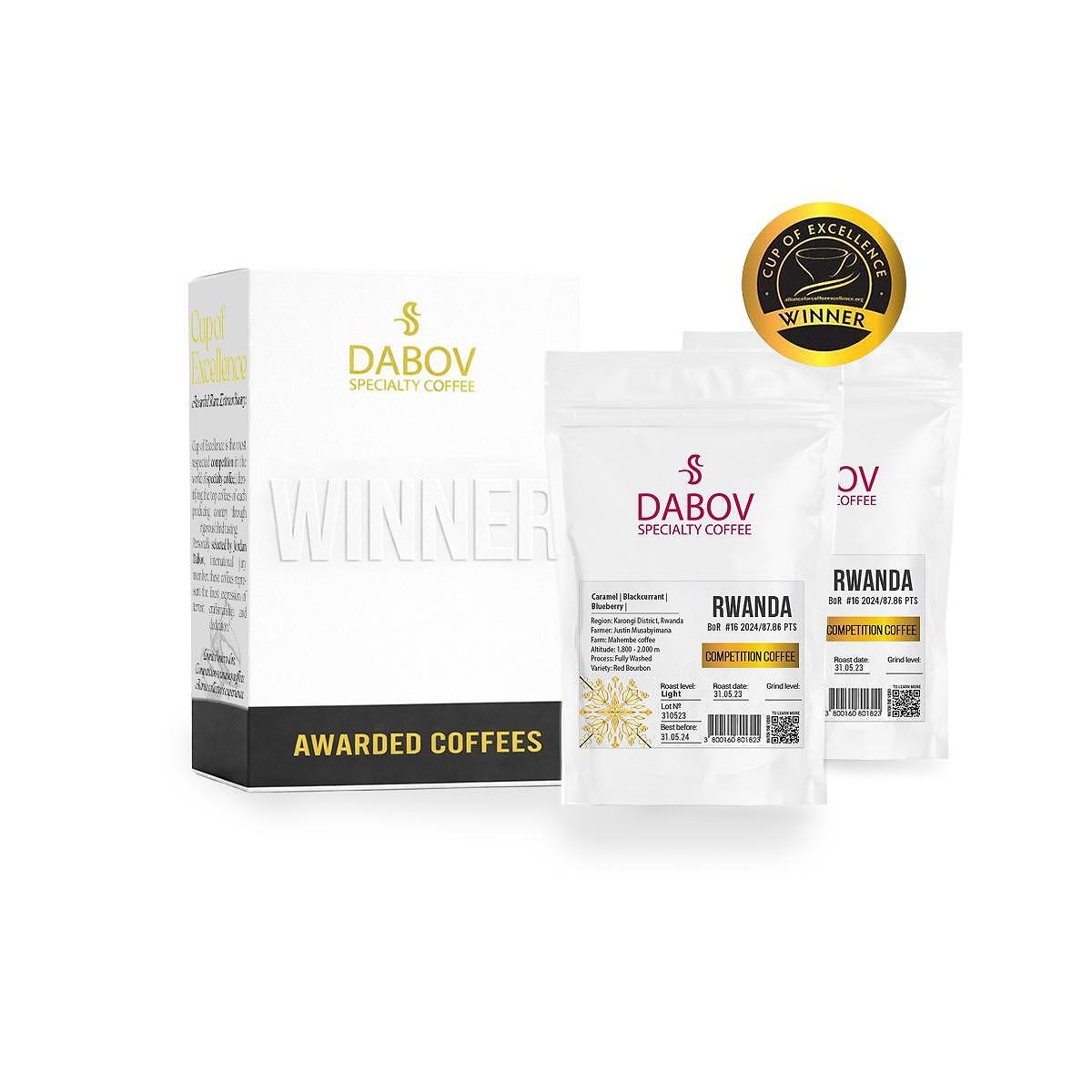
- Cup of Excellence: Annual auction where winners (top-scoring coffees from regional competitions) sell directly to roasters. 2023 lots ranged $3.50–$8.50/pound, with top winners exceeding $10/pound.
- Equator Coffees: Direct relationships with 30+ small farms in Central America and East Africa. Pays $2.50–$3.50/pound vs. market price of $1.20/pound, justifying higher retail prices.
Direct trade doesn't guarantee sustainability or fairness—that depends on individual farm practices—but it does ensure price transparency and long-term predictability.
Competitive Strategies: Price, Differentiation, and Market Share
Undercutting and Bundle Tactics
Price undercutting remains the primary lever for mass-market competition. When McDonald's launched McCafé (espresso-based drinks at $2–$4), it undercut Starbucks ($4–$6) directly. Starbucks responded by:
- Emphasizing experience (ambiance, WiFi, community) over price
- Introducing budget SKUs (Pike Place cold brew at lower price points)
- Premium pricing on new products (seasonal launches at full price, then discounting later)
Bundling (pairing discounted coffee with food) is a grocery and café tactic. Supermarkets offer "2 for $8" on premium bags. Cafés bundle coffee + pastry at lower combo pricing than separate purchase. This anchors customers to price points while maintaining margin through high-margin food.
Subscription discounts lock in recurring revenue. Blue Bottle (now Nestlé-owned) offers 10–15% off retail when customers subscribe to weekly deliveries. This ensures predictable COGS forecasting and customer lifetime value, justifying the discount.
Brand Loyalty and Premiumization
Starbucks' brand premium allows $0.50–$1.50/cup markup vs. independent specialty roasters of equal or superior quality. Customers pay for the brand, convenience, consistency, and "third place" positioning.
Research shows Starbucks customers are 40% less price-sensitive than Dunkin' customers. This allows Starbucks to raise prices annually without proportional volume loss—a luxury commodity buyers (Folgers, Maxwell House) don't enjoy.
Specialty premium commands 2–3x markup vs. commodity coffee through origin storytelling. A $24/12oz single-origin Kenyan AA Peaberry (AA = large bean size, a quality signal) retails at ~$2.00/oz. Commodity Brazilian at $12/12oz = $1.00/oz. Same preparation, vastly different willingness-to-pay, driven by perceived quality.
Success requires consistent quality and story. A third-wave roaster can't charge premium prices if their light roasts are sour (under-roasted) or their supply chain is opaque. Once trust erodes, prices collapse—customers downgrade to Starbucks or private label.
Product Differentiation: Single-Origin, Reserve, Limited Release
Single-origin coffees (beans from one farm, region, or country) command premiums because origin implies traceability and unique flavor profile. A Yirgacheffe from Ethiopia's Gedeo Zone (known for floral, fruity notes) sells for $15–$18/12oz. A blended "Latin American" (origins hidden, flavors generic) sells for $10–$12/12oz.
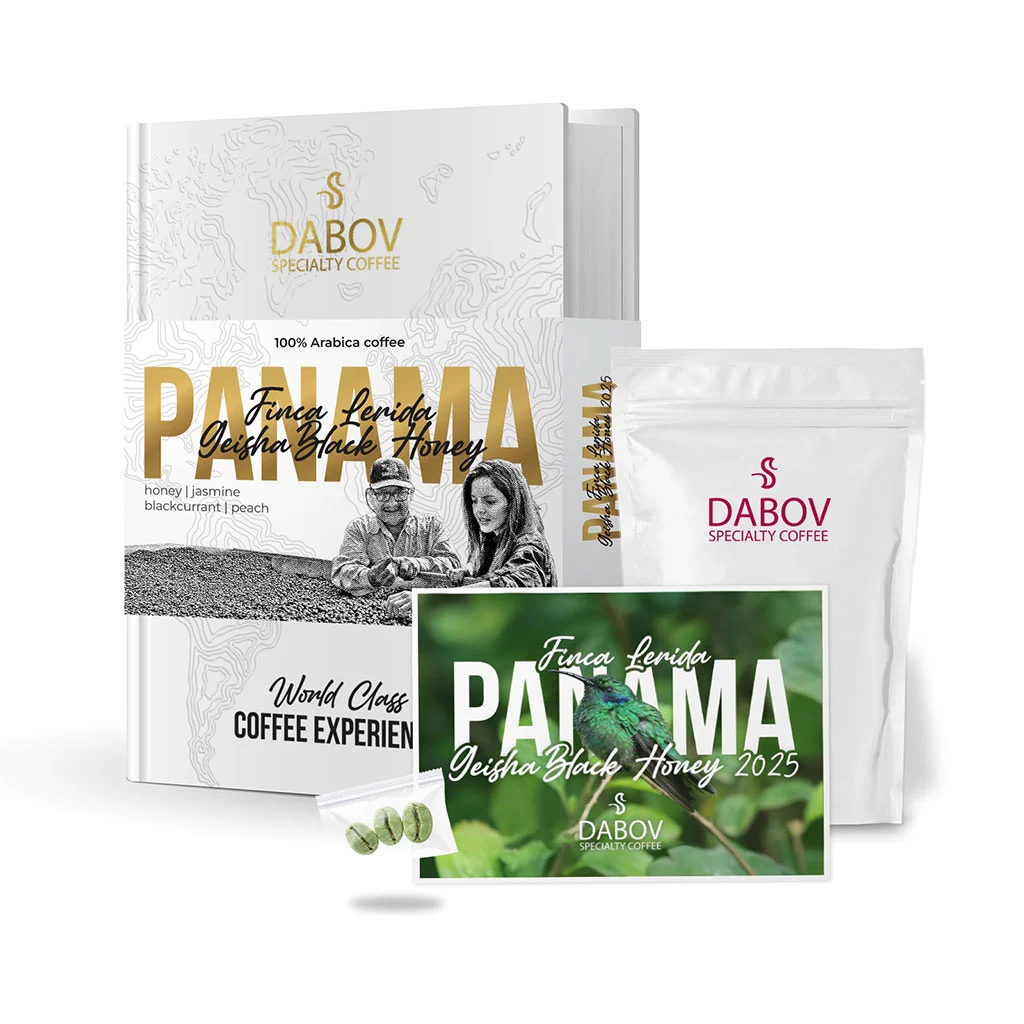
Reserve and limited releases create scarcity premium. A roaster sources 50 kg of Cup of Excellence-winning Geisha from Panama. They roast, announce it (with story and scoring), sell out in 2 weeks at $28/6oz ($112/pound roasted). Next month, they introduce a new Colombian 1990-planted Typica (old varietal, rare) at similar price. Customers perceive exclusivity and justify premium pricing.
Certification premiums (Fair Trade, Organic, Rainforest Alliance) add $2–$4/12oz to retail price. Fair Trade coffees guarantee $1.40–$1.50/pound minimum price paid to farmers (vs. potentially $0.60 commodity price). Organic coffees command 15–25% premiums. Consumers willing to pay accept these costs as alignment with values.
Market Dynamics: Supply Shocks and Pricing Cascades
Weather and Commodity Price Spikes
The 2021 Brazilian frost exemplifies supply shock cascading:
- Frost damage (July 2021): 30–40% of crop destroyed across key regions.
- Futures spike (Aug–Sept): ICE Arabica C futures rise from $1.12/pound (pre-frost) to $2.20/pound (peak).
- Roaster hedging: Large roasters who don't hedge (lock in prices via futures contracts) face rapidly rising COGS. They either absorb losses (margin compression) or raise retail prices.
- Retail lag: Consumer prices rise 3–6 months after commodity spike (supply chains have 2–3 month inventory buffer). Specialty roasters raise prices faster than commodity brands (who rely on volume and scale to maintain competitiveness).
- Long-term shift: Persistent high prices incentivize new plantings in suitable regions (Ethiopia, Rwanda, Kenya seeing farm expansion), potentially increasing supply 2–3 years later and depressing prices.
Geopolitical Factors and Trade Policy
Vietnam's coffee boom (1990s–2000s): Government incentivized coffee expansion via subsidized credit. Production jumped from <1 million bags to 10+ million bags, flooding the market with cheap Robusta. Global Arabica prices dropped 30–50%. African smallholders (Ethiopia, Uganda, Kenya) faced ruin; only those selling specialty-quality Arabica survived. This shift accelerated third-wave specialty's rise—some producers differentiated toward quality premium to escape commodity pricing.
Brexit and tariffs: Some specialty roasters (UK-based) were hit with 17.5% tariffs on coffee imports from Europe (post-2020). They either absorbed costs (margin hit) or raised retail prices. This fragmented the EU single market, allowing price variance country-to-country.
Climate policy: Climate-related trade discussions hint at carbon tariffs on imported coffee. Roasters in carbon-heavy countries may face higher costs. Those marketing climate-friendly sourcing (shade-grown, low-input) could command premiums to offset.
Market Trends: E-commerce, Direct-to-Consumer, and Consolidation
Direct-to-Consumer Disruption
E-commerce platforms (Trade Coffee, Dripkit, Gourmesso) bypass wholesale and retail margins, offering $0.50–$1.00/cup savings vs. café pricing. Trade Coffee curates 60+ roasters and offers subscriptions; customers expect discovery and value.
This forces traditional roasters to adapt:
- Starbucks launched direct delivery (Starbucks.com) and mobile ordering (20% of in-café transactions now pre-ordered via app).
- Specialty roasters launched e-commerce sites; many grew online revenue 50%+ during COVID.
- Nestlé (Nespresso, Starbucks branded pods) benefited from e-commerce growth.
E-commerce tilts competition toward education and brand building (customer reviews, influencers, curated collections drive discovery) rather than pure price competition.
Consolidation and Vertical Integration
JAB Holding's roll-up strategy: Acquiring Caribou, Intelligentsia, Peet's, Stumptown, and 100+ other brands globally consolidates buying power. JAB negotiates supply contracts worth $1B+, undercutting independent roasters' per-pound COGS by $0.20–$0.50.
Starbucks' farm ownership: Owns Hacienda Alsacia (Costa Rica) as an agronomy research hub, reducing supply risk and creating origin-authentication marketing.
Nespresso's vertical model: Controls sourcing, roasting, and capsule manufacturing. Vertical integration locks customers into capsule ecosystem ($0.80–$1.20/capsule, higher per-cup than whole bean).
Consolidation advantages: scale, COGS reduction, supply security.
Disadvantages: reduced competition, potential price increases post-acquisition (as customer bases merge).
The Specialty vs. Commodity Bifurcation
Why Specialty Thrives Despite Higher Prices
- Quality differentiation: Specialty coffees objectively taste better (higher cupping scores correlate with flavor complexity and balance). Consumers notice the difference.
- Storytelling: Direct trade narratives ("María's farm, 2,100m elevation, shade-grown") create emotional connection.
- Premiumization trend: Affluent younger consumers view good coffee as an affordable luxury, not a commodity. They'd rather spend $4 on exceptional coffee once daily than $8 on mediocre café drinks.
- Experience bundling: Specialty roasters create community (classes, cuppings, merchandise), increasing perceived value beyond the beverage.
Commodity Coffee's Persistence and Decline
Strength: Ubiquity and convenience. Folgers, Maxwell House, Café Bustelo are in every supermarket.
Weakness: Commodity margins are razor-thin (2–5% for grocery, 3–7% for diner coffee). Commodity brands rely on volume and can't easily shift upmarket. If commodity prices spike (as in 2021), they're stuck: raising retail prices risks volume loss; absorbing costs crashes margins.
Result: Commodity coffee has been declining 2–3% annually in North America and Europe as millennials and Gen Z gravitate to specialty or skip coffee entirely (tea, energy drinks).
Conclusion: Future Competitive Landscape
Coffee competition will intensify along existing lines:
Commodity segment: Margins will compress further. Large traders will consolidate. Climate change will introduce supply volatility, forcing commodity buyers to hedge aggressively or relocate to new producing regions. Commodity coffee may become a niche product for price-conscious bulk buyers and instant-only consumers.
Specialty segment: Growth will continue, but consolidation (JAB, Nestlé acquisitions) will reduce perceived differentiation. Innovation will shift toward sustainability credentials and transparency tech (blockchain traceability).
Premium niche: Cup of Excellence winners, micro-lots, and rare varietals will command $30–$100+ per pound as wealth inequality drives ultra-premium consumption among affluent enthusiasts.
For consumers: Prices will rise gradually, driven by climate change and consolidation reducing supply options. Specialty coffee will likely reach $5–$6/cup as standard in major metros. Commodity coffee may disappear from supermarket shelves as producers exit, replaced by private-label and e-commerce brands.