
The Epidemiological Case: What the Data Shows
The relationship between coffee and neurodegenerative disease has been studied through some of the longest-running cohort investigations in modern nutritional epidemiology.
The CAIDE study (Cardiovascular Risk Factors, Aging and Dementia) is the most cited benchmark. Researchers followed 1,409 Finnish adults for a median of 21 years, tracking midlife coffee habits and late-life cognitive outcomes. Participants who drank 3–5 cups per day at midlife had a 65% lower risk of dementia compared to those who drank one cup or less. That is not a modest signal.
The Honolulu-Asia Aging Study followed over 8,000 Japanese-American men for up to 30 years and found a dose-dependent inverse relationship between coffee intake and Parkinson's disease risk — non-drinkers had roughly a five-fold higher risk than men drinking more than 28 oz per day. The Nurses' Health Study and Health Professionals Follow-up Study, combined covering more than 130,000 participants, replicated the Parkinson's finding across sexes, though the protective effect appeared stronger and more linear in men.
A 2015 meta-analysis published in the Journal of Alzheimer's Disease pooled nine prospective cohort studies involving 34,282 participants and found that habitual coffee drinkers had a 27% lower risk of Alzheimer's disease compared to non-drinkers. A comparable meta-analysis covering 26 Parkinson's studies (over 300,000 participants) estimated a 25% lower risk among coffee drinkers.
These are observational studies — they cannot prove that coffee prevents neurodegeneration. Unmeasured confounders always exist. But the consistency of the signal across distinct populations, methodologies, and follow-up periods gives it more credibility than any single randomized trial could.
What the Studies Cannot Tell You
There is a meaningful gap between "associated with lower risk" and "causes lower risk." People who drink more coffee also tend to be more socially engaged, more physically active, and to have higher baseline cognitive reserves. Adjustment for these covariates reduces but does not eliminate the association. Some researchers argue residual confounding explains the entire effect; most epidemiologists find that implausible given the biological plausibility of the proposed mechanisms.
Key Bioactive Compounds in Coffee
Coffee is not a simple beverage — it contains well over 1,000 identified compounds, several of which have independently demonstrated biological activity relevant to neurodegeneration.
| Compound | Primary Mechanism | Relevance to Neurodegeneration |
|---|---|---|
| Caffeine | Adenosine receptor antagonism | Reduces neuroinflammation; may enhance beta-amyloid clearance |
| Chlorogenic acids | Antioxidant, anti-inflammatory | Neutralize reactive oxygen species; modulate NF-κB pathway |
| Trigonelline | Neuroprotective alkaloid | Shown to protect neurons in preclinical models; partially converts to niacin during roasting |
| Cafestol & Kahweol | Antioxidant diterpenes | Anti-inflammatory; found mainly in unfiltered coffee |
| Eicosanoyl-5-hydroxytryptamide (EHT) | Synergistic with caffeine | Works with caffeine to inhibit alpha-synuclein aggregation in Parkinson's models |
Caffeine: Adenosine Receptor Antagonism
Caffeine's primary mechanism in the brain is competitive inhibition of adenosine receptors, particularly the A1 and A2A subtypes. Adenosine normally accumulates during waking hours and promotes drowsiness; blocking these receptors keeps neurons more active. More relevant to neurodegeneration, A2A receptor activation is thought to promote neuroinflammation — a key pathological feature of both Alzheimer's and Parkinson's. Blocking A2A may therefore reduce the inflammatory cascade that drives neuronal loss.
In animal models, caffeine has also been shown to enhance the clearance of beta-amyloid plaques — the extracellular protein aggregates considered a hallmark of Alzheimer's pathology — and to reduce tau phosphorylation, which drives neurofibrillary tangle formation.
Chlorogenic Acids: The Dominant Antioxidants
Chlorogenic acids (primarily 5-caffeoylquinic acid) are the most abundant antioxidant compounds in coffee and are significantly more concentrated in green (unroasted) beans than in roasted ones. They neutralize reactive oxygen species and modulate pro-inflammatory signaling pathways, particularly NF-κB. Oxidative stress and chronic neuroinflammation are common features across essentially all neurodegenerative conditions, which makes chlorogenic acids a mechanistically coherent candidate for neuroprotection.
Trigonelline and EHT
Trigonelline is an alkaloid that partially degrades into niacin (vitamin B3) during roasting. Animal models suggest it independently suppresses neuroinflammation and may protect against beta-amyloid toxicity. Eicosanoyl-5-hydroxytryptamide (EHT), a fatty acid derivative of serotonin found in the waxy coating of coffee beans, has attracted research attention because it appears to work synergistically with caffeine: a 2014 Journal of Neuroscience study found that the combination — not either compound alone — prevented alpha-synuclein-mediated toxicity in Parkinson's cell models.
Biological Mechanisms: How Coffee May Protect Neurons
Beyond the individual compounds, several integrative mechanisms may explain the epidemiological signal.
Neuroplasticity promotion. Both caffeine and chlorogenic acid have been associated with upregulated production of brain-derived neurotrophic factor (BDNF), a signaling protein critical for neuronal survival, synaptic plasticity, and hippocampal neurogenesis. BDNF levels decline with age and are depressed in both Alzheimer's and Parkinson's patients.
Insulin sensitivity. Type 2 diabetes is a well-established risk factor for cognitive decline and dementia, likely because chronic hyperglycemia promotes cerebrovascular damage and neuroinflammation. Coffee consumption is consistently associated with a lower risk of T2D, which may be one indirect pathway through which it protects the brain.
Gut-brain axis. Emerging research suggests that coffee's prebiotic compounds alter gut microbiome composition in ways that may reduce systemic inflammation and modulate gut-brain signaling. This is mechanistically plausible but the human evidence remains early-stage.
Alzheimer's Disease: The Evidence in Detail
Alzheimer's is characterized by two core pathological features: beta-amyloid plaques (extracellular deposits of misfolded protein fragments) and tau tangles (intracellular neurofibrillary tangles from hyperphosphorylated tau). Both contribute to the progressive neuronal loss that produces memory impairment and cognitive decline.
Animal model evidence for caffeine's effect on beta-amyloid is unusually consistent. Across multiple rodent studies, caffeine administration reduced brain amyloid load. The critical caveat: rodent amyloid models are imperfect proxies for human Alzheimer's, and several compounds that showed promise in mice have failed in human trials. The epidemiological data is therefore the more reliable guide.
The CAIDE cohort remains the strongest human longitudinal evidence, supplemented by the Three City Study — a French cohort of 7,017 adults aged 65 and older — which found that women consuming more than three cups daily had a significantly lower rate of verbal memory decline over four years. The sex difference warrants attention: the Three City result, and a divergent finding from the Rotterdam Study (where the inverse association appeared only in men), suggest that hormonal factors, possibly estrogen's interaction with caffeine metabolism, may modulate the effect.
Parkinson's Disease: A Dopamine Story
Parkinson's disease arises from the selective loss of dopamine-producing neurons in the substantia nigra, a midbrain region critical for motor control. The resulting dopamine deficit produces the cardinal symptoms: resting tremor, bradykinesia, rigidity, and postural instability.
The coffee-Parkinson's link is one of the more robust inverse associations in nutritional epidemiology. The signal has been replicated across populations on multiple continents, appears for both caffeinated and (to a lesser degree) decaffeinated coffee, and strengthens in a dose-dependent pattern up to approximately three cups per day.
The adenosine A2A receptor is particularly concentrated in the striatum — the brain region most affected in Parkinson's — where it co-localizes with dopamine D2 receptors and modulates dopaminergic transmission. Blocking A2A with caffeine is thought to enhance dopaminergic signaling and reduce the excitotoxicity that contributes to substantia nigra cell death.
Cognitive Decline Beyond Diagnosis
Epidemiological studies don't only track disease diagnosis. Cognitive decline in older adults — slower processing speed, working memory attrition, executive function loss — represents the preclinical phase before any dementia threshold is crossed. Coffee's association with preserved cognition during aging may be the most practically relevant finding for most readers.
The FINE Study, which followed elderly European men over ten years, found that habitual coffee drinkers had significantly less cognitive decline over the follow-up period. Multiple shorter studies support the finding that caffeinated coffee — compared to decaffeinated controls — acutely enhances attention, processing speed, and working memory, with the effect most pronounced in habitual consumers experiencing mild sleep restriction.
BDNF upregulation, adenosine blockade, and reduced neuroinflammation all contribute plausible mechanisms for this pattern.
Practical Guidance: Getting the Most from Your Cup
The evidence does not support treating coffee as medicine, but it does support treating it as a positive dietary factor when consumed sensibly.
Roast level matters for chlorogenic acid content. Lighter roasts retain significantly more chlorogenic acids than dark roasts, which degrade during prolonged high-heat exposure. If the antioxidant content of your cup matters to you, lean toward light to medium roasts from quality specialty roasters.
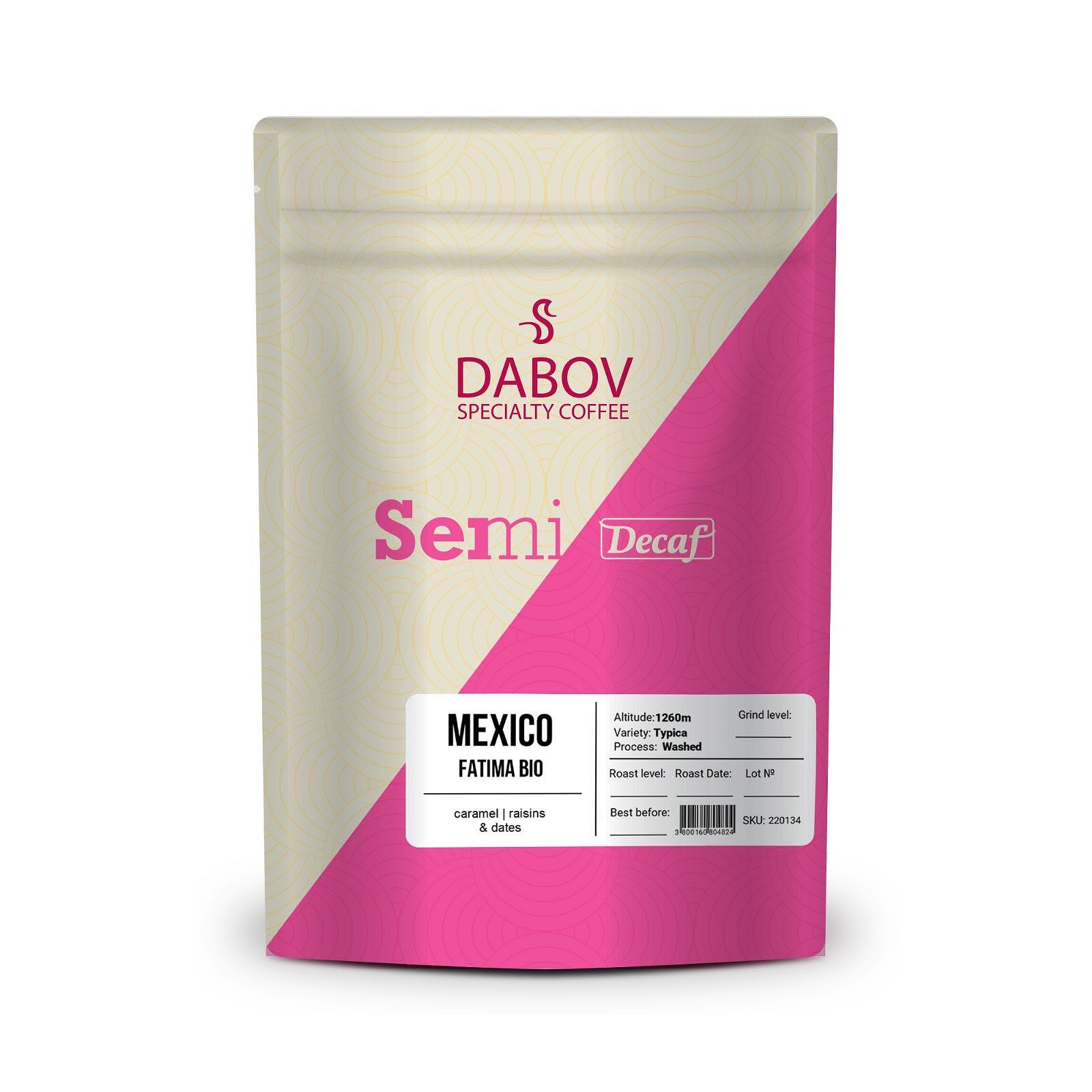
Decaf is not zero benefit. Decaffeinated coffee retains most of its chlorogenic acids and some trigonelline. The Parkinson's data shows a smaller but non-zero inverse association with decaf consumption, suggesting caffeine is not the sole active component.
Additives dilute the signal. In several large prospective studies, the inverse association between coffee and disease risk is most pronounced for black or minimally sweetened coffee. Sweetened coffee beverages may not share the same benefit.
| Coffee Style | Chlorogenic Acids | Diterpenes (cafestol/kahweol) | Notes |
|---|---|---|---|
| Paper-filtered drip | High | Removed | Best for antioxidant content |
| Pour-over | High | Removed | Same as filtered drip |
| French press | Moderate | High | Cholesterol-raising potential |
| Espresso | Moderate-high | Moderate | Depends on cup volume |
| Light roast | Higher | Varies by method | Preferred for antioxidants |
| Dark roast | Lower | Varies by method | More Maillard compounds |
| Decaffeinated | High | Varies | Partial neuroprotective benefit |
Frequently Asked Questions
How many cups of coffee per day is associated with the lowest dementia risk?
Most cohort studies, including the CAIDE study, find the strongest association at 3–5 cups per day consumed during midlife. This figure refers to standard 8 oz (240 ml) servings, not large commercial sizes. Evidence above five cups daily is inconsistent, and for people with hypertension, anxiety, or sleep disorders, the risk-benefit calculation shifts.
Does decaffeinated coffee also protect against Parkinson's disease?
The evidence is weaker for decaf but not absent. The inverse association between Parkinson's and coffee consumption is strongest for caffeinated coffee, consistent with caffeine's A2A receptor mechanism. Some studies show a modest inverse association with decaf, suggesting chlorogenic acids and other non-caffeine compounds contribute independently.
What is the best roast level for neuroprotection?
Light to medium roasts retain more chlorogenic acids, which are partially degraded by prolonged high heat during roasting. If antioxidant content is a primary concern, opt for lighter roasts from specialty roasters. Darker roasts develop unique Maillard reaction products that may have their own activity, but the evidence is more limited.
Can starting coffee later in life still be beneficial?
The CAIDE study focused on midlife consumption, but the biology of neuroprotection does not suggest a hard cutoff. There is no strong evidence that beginning coffee consumption in later adulthood provides the same long-term benefit as a decades-long habit, but there is also no evidence it is harmful for most older adults.
Conclusion
The case for coffee as a neuroprotective dietary factor rests on one of the most consistent epidemiological associations in aging research, reinforced by plausible and increasingly well-characterized biological mechanisms. Caffeine's adenosine A2A receptor antagonism, chlorogenic acids' antioxidant and anti-inflammatory effects, BDNF upregulation, and the synergistic action of EHT and caffeine collectively offer a compelling mechanistic foundation for the observational data.
None of this makes coffee a treatment. Alzheimer's and Parkinson's are multifactorial diseases where genetics, cardiovascular health, sleep quality, and lifelong cognitive engagement all play substantial roles. But for most adults, three to four cups of quality specialty coffee per day — filtered, lightly sweetened or black, consumed before early afternoon — represents a low-risk habit that the available evidence consistently associates with a more favorable cognitive trajectory. Browse our roasted coffee selection for specialty single-origins worth making a daily ritual.