How Decaffeination Works
Green (unroasted) coffee beans are the starting point for all commercial decaffeination. The process must extract caffeine selectively without stripping the other compounds that give coffee its flavor and health properties. There are four main methods in commercial use, and the choice matters both for residual chemical exposure and final cup quality.
Swiss Water Process (SWP)
SWP uses no chemical solvents. Green beans are soaked in hot water, which extracts caffeine and flavor compounds together. That water passes through a carbon filter with pores sized to trap caffeine molecules but allow smaller flavor compounds through, producing what the industry calls Green Coffee Extract (GCE). Fresh beans are then soaked in the GCE, which already contains the flavor compounds in equilibrium, so only caffeine migrates out of the beans into the solution. The process repeats until caffeine content is below 0.1%. SWP is the method most favored by organic certification bodies and specialty roasters who want chemical-free processing. The main tradeoff: it is gentler on the bean but slightly more expensive than solvent methods.
CO₂ Process
Liquid carbon dioxide under high pressure (200–300 bar) is a selective solvent for caffeine. At supercritical conditions, CO₂ dissolves caffeine efficiently while leaving larger flavor molecules largely intact. The CO₂ is then decompressed, releasing the extracted caffeine, and the CO₂ itself is recycled. This method is generally considered the best for flavor preservation because the selectivity is highest. It is more capital-intensive and used primarily for high-volume commercial operations. When you see "naturally decaffeinated" on premium decaf packaging, CO₂ processing is often what is meant.
Direct Solvent Method
Methylene chloride (dichloromethane) or ethyl acetate is applied directly to pre-soaked beans. These solvents bind to caffeine selectively. The beans are then steamed to evaporate solvent residues. The FDA permits residual methylene chloride below 10ppm in roasted coffee; typical commercial residuals are well below 1ppm after roasting at temperatures that volatilize any trace solvent. Ethyl acetate is sometimes marketed as "naturally derived" because it occurs in fruit fermentation, though commercial ethyl acetate for decaffeination is usually synthesized. The flavor impact is moderate, and this method dominates commodity decaf production because of its low cost.
Indirect (Water-Solvent) Method
Beans are soaked in water to extract caffeine and flavor compounds. The water is then treated with a solvent to remove caffeine from the liquid. The solvent is skimmed off, and the bean-free liquid—now caffeine-depleted but flavor-rich—is reintroduced to the beans, which reabsorb the flavor compounds. The beans never contact solvent directly, which is why this method is sometimes described as more consumer-friendly than direct solvent processing.
| Method | Chemical-Free | Flavor Retention | Cost | Used For |
|---|---|---|---|---|
| Swiss Water Process | Yes | Good | Moderate | Specialty, organic |
| CO₂ Process | Yes | Excellent | High | Premium commercial |
| Methylene Chloride (Direct) | No | Very Good | Low | Commodity commercial |
| Ethyl Acetate (Direct) | Borderline | Good | Low-Moderate | Mid-market |
| Indirect Solvent | No (no bean contact) | Good | Low-Moderate | Commercial blends |
What the Research Says
Type 2 Diabetes Risk
The association between coffee and reduced type 2 diabetes risk is among the most replicated findings in nutritional epidemiology. A meta-analysis in Diabetes Care covering 1.1 million participants found that each additional cup of coffee per day correlated with a 6% lower risk of type 2 diabetes. Crucially, decaffeinated coffee showed a nearly identical 6% reduction per cup—directly implicating non-caffeine compounds. Chlorogenic acids have well-characterized effects on glucose absorption, insulin sensitivity, and hepatic glucose output in controlled laboratory studies. They slow the rate of glucose absorption from the gut and improve peripheral insulin signaling, both of which are relevant to type 2 diabetes pathophysiology.
Liver Health
Habitual coffee consumption is consistently associated with lower liver enzyme levels (ALT, AST, GGT), reduced hepatic fibrosis, and lower cirrhosis risk across prospective cohort studies spanning multiple countries and populations. A study in Hepatology found that three or more cups of decaf daily correlated with significantly lower ALT and AST levels compared to non-coffee drinkers. The mechanism is thought to involve anti-inflammatory effects of chlorogenic acids and melanoidins on hepatic stellate cells, which are the primary drivers of fibrosis progression in the liver.
The association extends to non-alcoholic fatty liver disease (NAFLD), which affects approximately 25% of the global adult population. Multiple cross-sectional studies find inverse associations between coffee consumption—both caffeinated and decaffeinated—and NAFLD severity. One proposed mechanism involves coffee's inhibitory effect on lipid synthesis pathways in the liver, mediated in part by the melanoidins formed during roasting.
Cardiovascular Health
For most adults, moderate coffee consumption is associated with neutral to slightly protective cardiovascular effects in long-term cohort data. Decaf has the specific advantage of avoiding caffeine's acute effects on blood pressure and heart rate, which can be problematic for individuals with hypertension, atrial fibrillation, or other arrhythmias. A study in the Annals of Internal Medicine found that participants drinking three to five cups of decaf daily had modestly higher HDL cholesterol compared to non-coffee drinkers, without the blood pressure elevation associated with caffeinated coffee.
For individuals with well-controlled hypertension who want to enjoy coffee, switching to decaf eliminates the primary cardiovascular concern (acute caffeine-induced blood pressure spikes) while preserving the polyphenol benefits. The cardiovascular case for decaf is strongest in this population.
Neuroprotection
The neuroprotective associations of coffee—lower risk of Parkinson's, Alzheimer's, and late-life cognitive decline—have been studied primarily in caffeinated coffee consumers. The evidence for decaf's independent effects is weaker but not absent. The Nurses' Health Study and Health Professionals Follow-Up Study found that chlorogenic acid intake from coffee, regardless of caffeination level, was associated with reduced cognitive decline in both women and men. Chlorogenic acids are present in both caffeinated and decaffeinated coffee in roughly comparable amounts, suggesting caffeine-independent neuroprotective mechanisms are plausible.
Research into coffee's adenosine A2A receptor antagonism—the mechanism most directly linked to Parkinson's neuroprotection—is specific to caffeine and does not apply to decaf. The neuroprotective story for decaf is more likely antioxidant and anti-inflammatory rather than receptor-mediated.
Gut Microbiome and Digestion
Coffee—including decaf—stimulates colonic motility, an effect observed in controlled studies using both caffeinated and decaffeinated preparations. The mechanism is not caffeine-mediated; it likely involves coffee's effect on cholecystokinin and gastrin secretion, which signal the colon to increase motor activity. This explains why some people find coffee useful for morning regularity regardless of the caffeination level—the gastrointestinal effect is largely a non-caffeine coffee response.
Decaf coffee contains soluble dietary fiber from coffee's cell wall polysaccharides—approximately 0.5–1g per 250ml serving. This fiber functions as a prebiotic substrate for Bifidobacterium and Lactobacillus species. Early data suggests coffee polyphenols selectively enrich Bacteroidetes populations, which are associated with healthier metabolic profiles and lower systemic inflammation. The prebiotic effect of habitual coffee consumption on gut microbiome diversity is an active research area that may add additional mechanistic support to the epidemiological associations.
When Decaf Makes Most Sense
Decaf is not a compromise for people who cannot handle caffeine. It is the rational choice for specific populations and circumstances:
Evening consumption. Caffeine has a half-life of approximately 5–7 hours in most adults, with meaningful inter-individual variation depending on CYP1A2 genotype. A 2pm coffee leaves half the caffeine active at 9pm and may disrupt sleep onset or sleep quality. Decaf in the afternoon or evening preserves the ritual and the antioxidant benefits without impacting sleep architecture—and sleep quality is among the most powerful modifiable determinants of long-term health.
Pregnancy. Most obstetric guidelines recommend limiting caffeine to under 200mg/day during pregnancy. Decaf (2–7mg per cup) allows pregnant women to enjoy coffee within safe limits without careful intake tracking across the entire day.
Cardiovascular conditions. Hypertension, atrial fibrillation, and tachycardia are conditions where caffeine's acute stimulant effects may be contraindicated or require careful management. Decaf provides the polyphenol benefits without the cardiac load of caffeine, allowing these patients to continue enjoying coffee without the clinical concern.
Caffeine sensitivity. Genetic variation in CYP1A2—the primary caffeine-metabolizing enzyme in the liver—produces fast and slow metabolizers. Slow metabolizers experience stronger and longer-lasting physiological effects from the same caffeine dose. For slow metabolizers, switching to decaf resolves the symptoms (anxiety, jitteriness, insomnia) without eliminating coffee from the diet entirely.
Choosing a High-Quality Decaf
The quality variation in decaf is wider than in caffeinated coffee. A poorly selected green bean that also lost flavor compounds during aggressive decaffeination produces the flat, medicinal taste that created decaf's bad reputation. The reliable markers of quality:
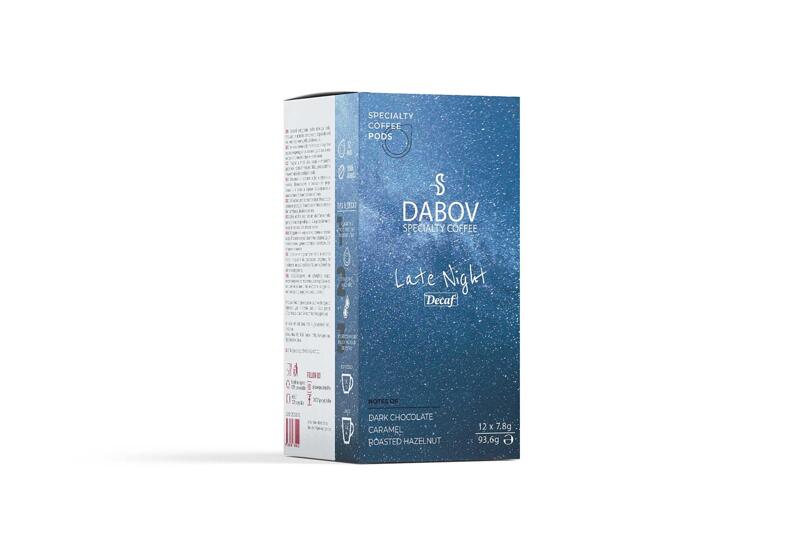
SWP or CO₂ processing. Both are listed on packaging when present. These methods preserve the most flavor compounds and use no synthetic chemical solvents. If packaging does not specify the decaffeination method, assume a solvent process.
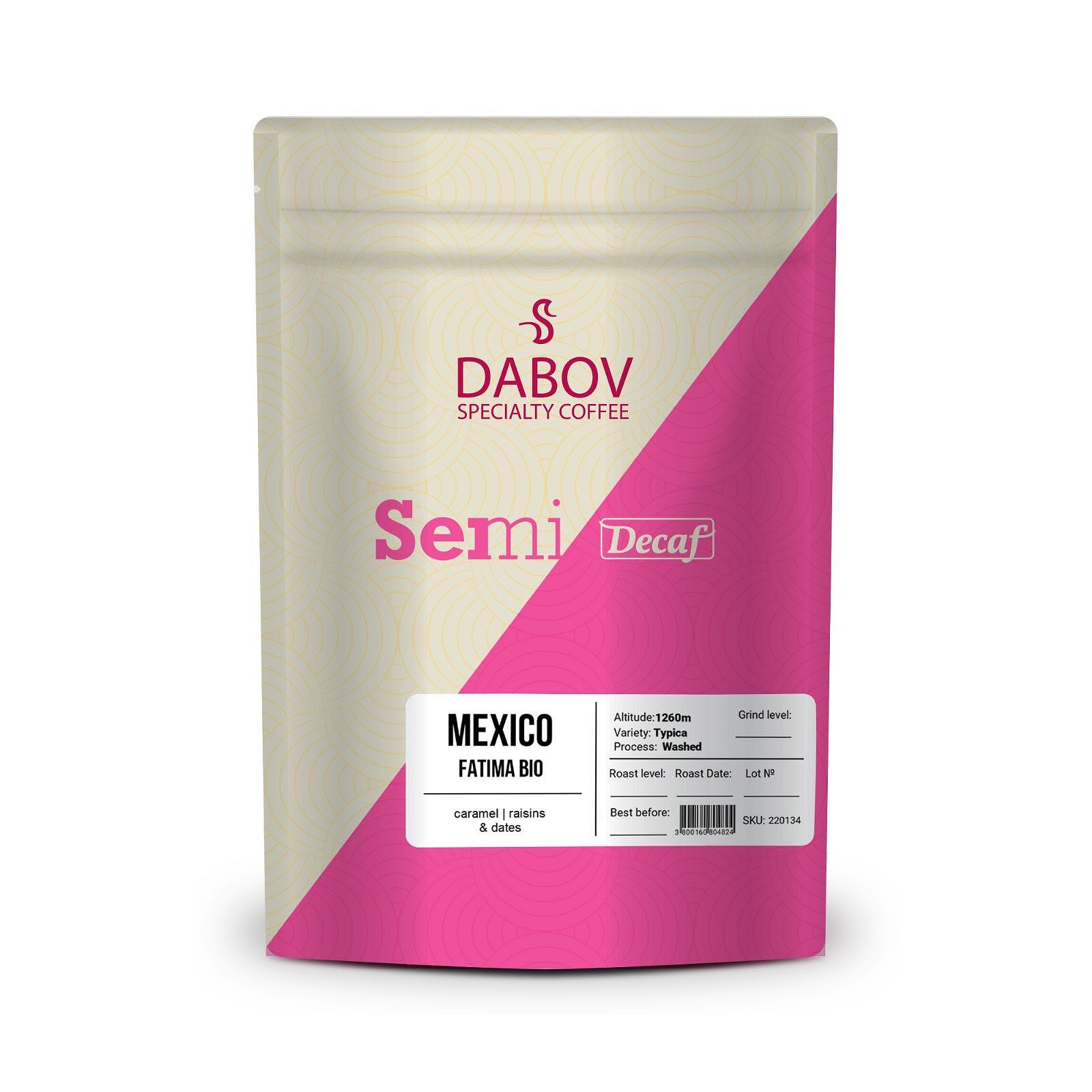
Single-origin sourcing. Decaf blends mask defects easily; single-origin decaf from Colombia's Huila region, Guatemala's Huehuetenango, or Ethiopia's Sidama can show real terroir character even through decaffeination. The underlying bean quality determines whether the decaffeination process has anything worth preserving.
Recent roast date. Decaf goes stale faster than caffeinated coffee because the decaffeination process slightly destabilizes the bean's cellular structure, accelerating off-gassing. Buy decaf roasted within the last three weeks and consume within four to six weeks of the roast date.
Light to medium roast. Darker roasts mask the flavor differences that make a quality decaf worth the premium. A medium roast SWP Colombian decaf will show chocolate, caramel, and stone fruit notes that simply are not present in a commodity dark-roast decaf.
Frequently Asked Questions
Does decaf have any caffeine at all?
Yes, but very little. FDA standards allow up to 0.1% caffeine by weight, yielding approximately 2–7mg per 6-ounce serving—roughly 2–7% of a regular drip coffee's caffeine content. This is negligible for most people, but potentially relevant for those with extreme caffeine sensitivity or in late pregnancy.
Is Swiss Water Process decaf the healthiest option?
SWP is the cleanest from a chemical-residue perspective and is the most common choice among specialty roasters. CO₂ processing has comparable or better flavor retention and also uses no synthetic solvents. For health purposes, either is preferable to solvent-based processes. The practical difference in health outcomes between SWP and CO₂ decaf is likely negligible.
Can decaf cause caffeine withdrawal?
Switching from regular to decaf will typically cause withdrawal symptoms—headache, fatigue, irritability—for 1–4 days as the body adjusts to dramatically lower caffeine intake. Gradual reduction over 1–2 weeks eliminates most withdrawal discomfort.
Is decaf coffee acidic?
Yes. Decaffeinated hot-brewed coffee typically falls in a pH range of 4.9–5.4, similar to regular drip coffee. If acidity is the primary concern, cold-brew decaf (steeped cold for 16–20 hours) produces a pH of 6.2–6.6, combining the low-acid benefit of cold brewing with the low-caffeine benefit of decaffeination.
Conclusion
Decaf coffee is not a health compromise—it is a different caffeine-to-polyphenol ratio in the same cup. The antioxidant content, liver-protective associations, diabetes risk reduction, and gut microbiome effects are largely non-caffeine-mediated and are present in well-made decaf. The trade-offs are real: you lose the acute cognitive and ergogenic effects of caffeine, and quality requires more care in sourcing and processing. But for afternoon and evening consumption, pregnancy, cardiovascular management, or caffeine sensitivity, decaf is the rational, evidence-supported choice—not a fallback. Browse our coffee beans for single-origin decaf options processed with Swiss Water and CO₂ methods.