Ecuador's Volcanic Geology and Coffee Terroir
Ecuador's position on the Pacific Ring of Fire has sculpted a landscape dominated by tectonic activity, volcanic ash deposits, and complex mineral compositions that define its coffee terroir. The country's coffee-growing regions benefit from soils classified as Andisol—volcanic soils with exceptional organic matter content and mineral-rich weathered rock matrices. These soils retain moisture efficiently while maintaining excellent drainage, creating an equilibrium ideal for Arabica root development and nutrient uptake.
The Andes Mountains, running north to south through Ecuador, create a series of high-altitude corridors where temperature inversions and cloud cover moderate extremes. At elevations between 1,200 and 2,100 meters above sea level, coffee plants experience the stress necessary for slow cherry maturation—a critical factor in flavor compound development. Chlorogenic acid breakdown, which occurs during ripening, takes weeks rather than days, allowing complex sugars and organic acids to accumulate within the bean's cellular structure.
The Four Signature Ecuador Coffee Regions
Loja: Nutty Complexity and Bright Acidity
Loja, located in southern Ecuador at elevations reaching 2,000 meters, produces coffees that balance bright acidity with pronounced sweetness. The region's misty microclimate—influenced by moisture flows from both the Andes and the Amazon basin—creates persistent cloud cover and natural "fog drip" that supplements rainfall and sustains slow cherry development.
Loja coffees are characterized by almond, walnut, and hazelnut undertones, often accompanied by stone fruit notes (apple, pear, apricot). This nutty-fruity profile emerges from the combination of:
- High altitude stress: Slow ripening concentrates sugars and amino acids
- Shade-growing tradition: Coffee intercropped with native trees (Chalum, Aguacate, Pambil) that improve soil micronutrient cycling
- Typica and Bourbon varietals: Traditional cultivars that thrive in Loja's conditions, known for clean, complex cup profiles
- Wet processing: Most Loja coffee undergoes 12–18 hour fermentation, emphasizing acidity clarity
Specialty roasters grade Loja beans for their clean separation between acidity and body—a hallmark of high-altitude Arabica. The region's commitment to organic certification (FAPECAFES cooperative serves 300+ small farmers) further supports the expression of natural terroir without synthetic inputs.
Imbabura: Jasmine and Citrus Notes
Imbabura, in northern Ecuador, benefits from volcanic soils derived from the dormant Imbabura volcano. These soils differ from Loja's in mineral composition, favoring more pronounced floral aromatics and bright citrus character. Elevations in Imbabura range from 1,400 to 1,800 meters, creating significant diurnal temperature variation—warm days (20–22°C) followed by cool nights (10–12°C).
This temperature stress, combined with excellent soil drainage from volcanic parent material, produces coffees with:
- Jasmine and orange blossom aromatics: Often described as "tea-like" by cupping specialists
- Grapefruit and lemon acidity: Clean, pronounced citrus that persists through the finish
- Low body: Light-to-medium mouthfeel that highlights delicate aromatics
- Organic farming prevalence: Many Imbabura producers eschew synthetic fertilizers, allowing terroir expression without chemical masking
Imbabura is gaining recognition among third-wave roasters for single-origin offerings, particularly when processed as natural/honey ferments that amplify the inherent floral character. The region's Asociación Agroartesanal de Caficultores Río Intag (AACRI) emphasizes reforestation alongside coffee cultivation, protecting watershed and soil health.
Azuay: Chocolate and Caramel Sweetness
Azuay, in south-central Ecuador at 1,500–1,800 meters elevation, produces coffees with distinctive sweet profiles and medium body. The region's cloud forests deposit rich leaf litter that decomposes into organic-matter-heavy topsoil, contributing to chocolate and caramel flavor development during roasting.
Azuay's processing tradition emphasizes extended fermentation (18–24 hours with controlled temperature), which:
- Develops lactic acid compounds: Creating chocolate undertones in the cup
- Preserves sugars: Slower fermentation allows enzymatic breakdown of complex carbohydrates into simple sugars
- Adds body: Longer contact with fermented liquid enriches mouthfeel
Bonus varietals grown in Azuay contribute to sweetness: the Bourbon landrace, known for sugar-forward profiles, dominates many Azuay microlots. Regional cooperatives have adopted fair-trade and organic certification, supporting 1,200+ small-scale farmers.
Manabí: Full Body and Earthy Tones
Manabí, Ecuador's coastal province, grows coffee at lower elevations (300–700 meters), resulting in faster cherry ripening and full-bodied, low-acidity profiles. The region's warmer, more humid climate and clay-rich soils (different from the volcanic parent material of highland regions) impart earthy, sometimes tobacco-like character.
Dry processing—where coffee cherries are dried whole with the fruit intact for 3–4 weeks—is traditional in Manabí, producing:
- Heavier body: Longer skin contact during drying creates fuller mouthfeel
- Lower acidity: Slower fermentation under heat reduces organic acid development
- Earthy undertones: Extended sun-drying and clay-soil minerals contribute rustic character
- Rustic sweetness: Some natural sugar caramelization occurs during the extended drying process
Manabí coffees suit espresso and French press brewing methods that embrace full body and reduced acidity. The region's coffee history dates to the early 1830s—some of Ecuador's oldest coffee cultivation remains in Manabí smallholdings.
The Coffee-to-Cup Journey: Brewing Ecuadorian Coffees
Tasting Protocol and Flavor Descriptors
Ecuadorian coffees reveal their terroir most clearly when brewed at precise temperatures (195–205°F) with standardized ratios (1:16 coffee-to-water). A systematic tasting approach unfolds layer by layer:
- Aroma: Dry aroma (beans before brewing) and wet aroma (immediately post-brew) signal origin character
- Initial taste: First sip reveals brightness and primary acidity
- Body development: Mid-palate mouthfeel emerges as coffee cools
- Finish: Long-lasting aftertaste indicates processing quality and roast balance
| Region | Primary Acidity | Aroma Character | Body | Finish Signature |
|---|---|---|---|---|
| Loja | Citric, bright | Nutty, stone fruit | Medium | Clean, lingering sweetness |
| Imbabura | Citric, crisp | Floral, jasmine | Light | Tea-like, delicate |
| Azuay | Malic, rounded | Chocolate, caramel | Medium-Full | Smooth, chocolate note |
| Manabí | Muted | Earthy, tobacco | Full | Earthy, rustic finish |
Sustainable Practices and Impact
Ecuador's coffee regions pioneered shade-growing and organic certification in Latin America. Agroforestry systems—where coffee grows beneath native trees (Guachipilín, Naranjo, Chalum)—preserve biodiversity while improving soil biology and water retention. These systems produce slower-maturing cherries with more complex flavor profiles while reducing pest pressure and chemical input requirements.
Small-scale producers (average 2–5 hectares per farm) dominate Ecuador's specialty coffee landscape. This structure enables:
- Direct relationships: Roasters often connect directly with farmers, ensuring fair prices and quality feedback
- Experimentation: Small lots allow testing of novel fermentation methods or varietals
- Environmental stewardship: Family farms maintain long-term soil health vs. extractive industrial approaches
- Processing transparency: Batch-level traceability from cherry to dried parchment
Cooperatives like FAPECAFES (Loja), AACRI (Imbabura), and regional wet-mill associations manage quality control, certification logistics, and export compliance, allowing smallholders to reach specialty markets without individual scale requirements.
Selecting and Brewing Ecuador Coffee at Home
Key Selection Criteria
When purchasing Ecuadorian coffee, prioritize:
- Region designation: Look for "Loja," "Imbabura," or specific microlot names (e.g., "Loja Vilcabamba") indicating terroir specificity
- Roast date: Coffee should be roasted within 2 weeks; purchase for 2-week consumption window
- Altitude notation: 1,600–2,000 meters elevation signals specialty potential
- Processing method: Note "washed," "natural," or "honey" to anticipate flavor profile
- Varietals: Typica, Bourbon, or Caturra—all express terroir well in Ecuador
Brewing Methods That Highlight Terroir
- Pour-over (V60, Chemex): Emphasizes bright acidity and floral notes; ideal for Loja and Imbabura
- French press: Brings out full body and earthy richness; suited to Manabí and lower-altitude lots
- Espresso: Concentrates sweetness and chocolate notes; excellent for Azuay natural/honey ferments
- AeroPress: Versatile for all regions; allows grind-size adjustment to dial in extraction balance
Related Reading and Resources
For deeper exploration of Ecuador's coffee regions and broader specialty coffee topics, consider:
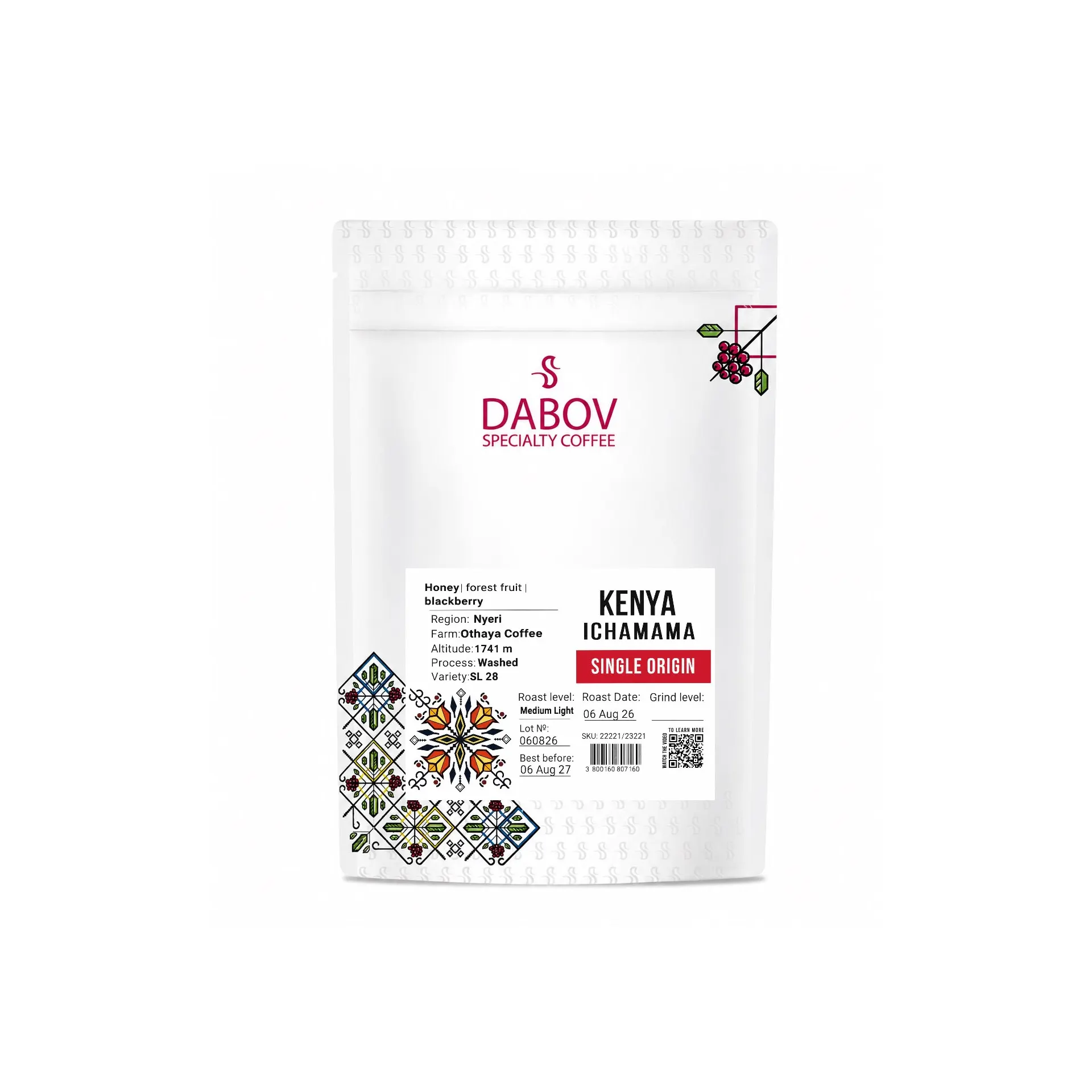
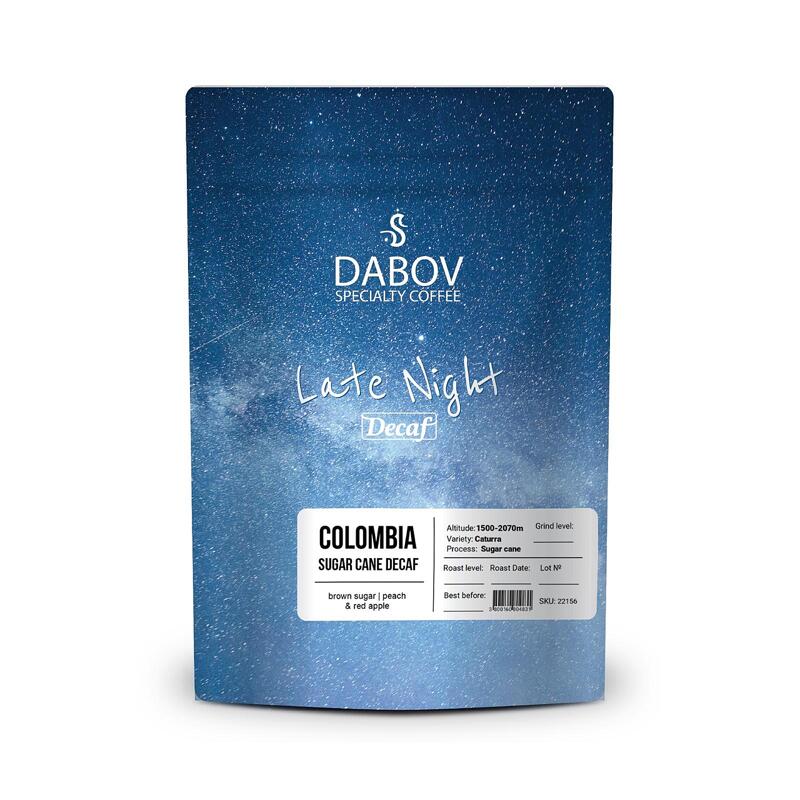
- Single-origin offerings from DABOV's specialty coffee collection
- Coffee roasting fundamentals to understand how roast style impacts origin character
- Brewing methods comparison for systematic experimentation with different techniques
Conclusion
Ecuador's coffee emerges from a precise intersection of volcanic geology, high-altitude microclimates, and small-scale farming tradition. The country's four signature regions—Loja with its nutty complexity, Imbabura with jasmine florality, Azuay with chocolate sweetness, and Manabí with earthy fullness—collectively represent one of Latin America's most diverse and expressive coffee terroirs. By understanding regional characteristics, supporting direct-trade relationships, and brewing with intention, enthusiasts can access coffees that authentically reflect their mountain origins while supporting the farmers and ecosystems that produce them.